⚖️ RICHARD KNIGHT EXECUTED IN FLORIDA AFTER MORE THAN TWO DECADES ON DEATH ROW
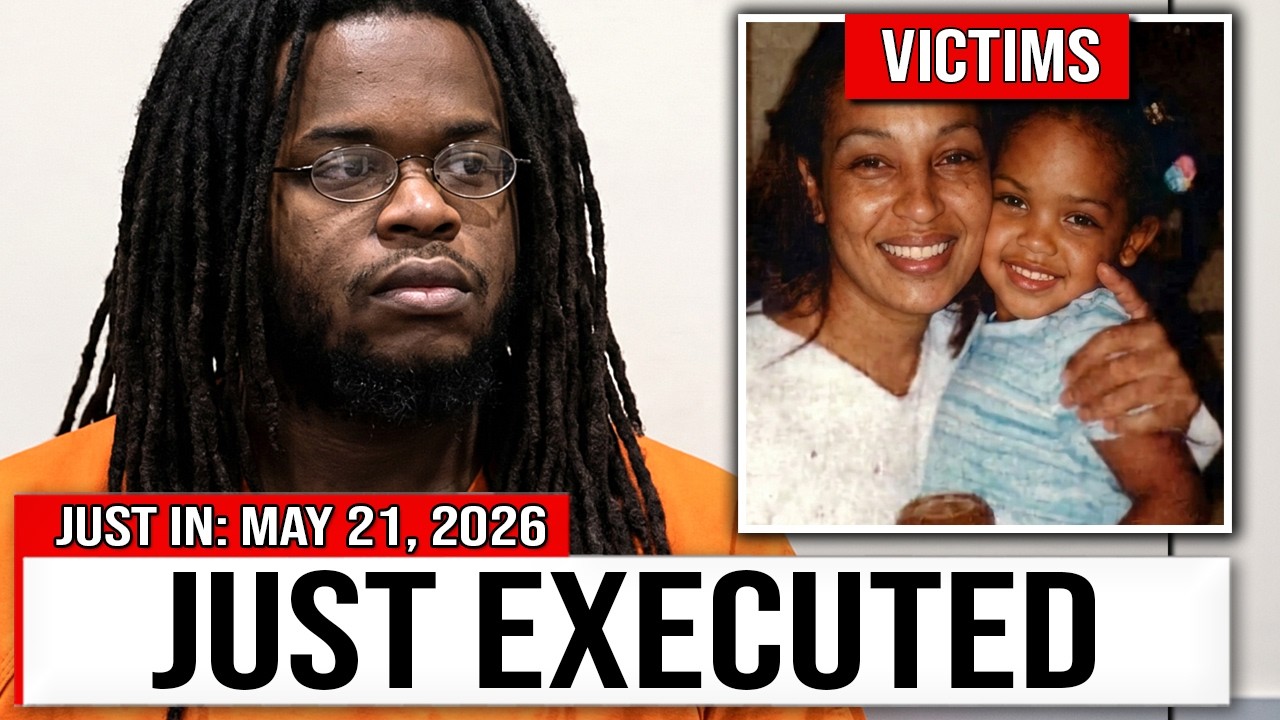
⚖️ RICHARD KNIGHT EXECUTED IN FLORIDA AFTER MORE THAN TWO DECADES ON DEATH ROW
After more than 20 years of appeals, Richard Knight’s death-row case finally came to an end inside Florida State Prison.
Knight, 47, was executed by lethal injection on May 21, 2026, and was pronounced dead at 6:13 p.m. Eastern Time, according to state officials and reporting by The Associated Press.
His execution followed years of appeals over his convictions, newly raised evidence and Florida’s lethal-injection procedures.
In the end, the courts declined to stop the execution.
THE FINAL MOMENTS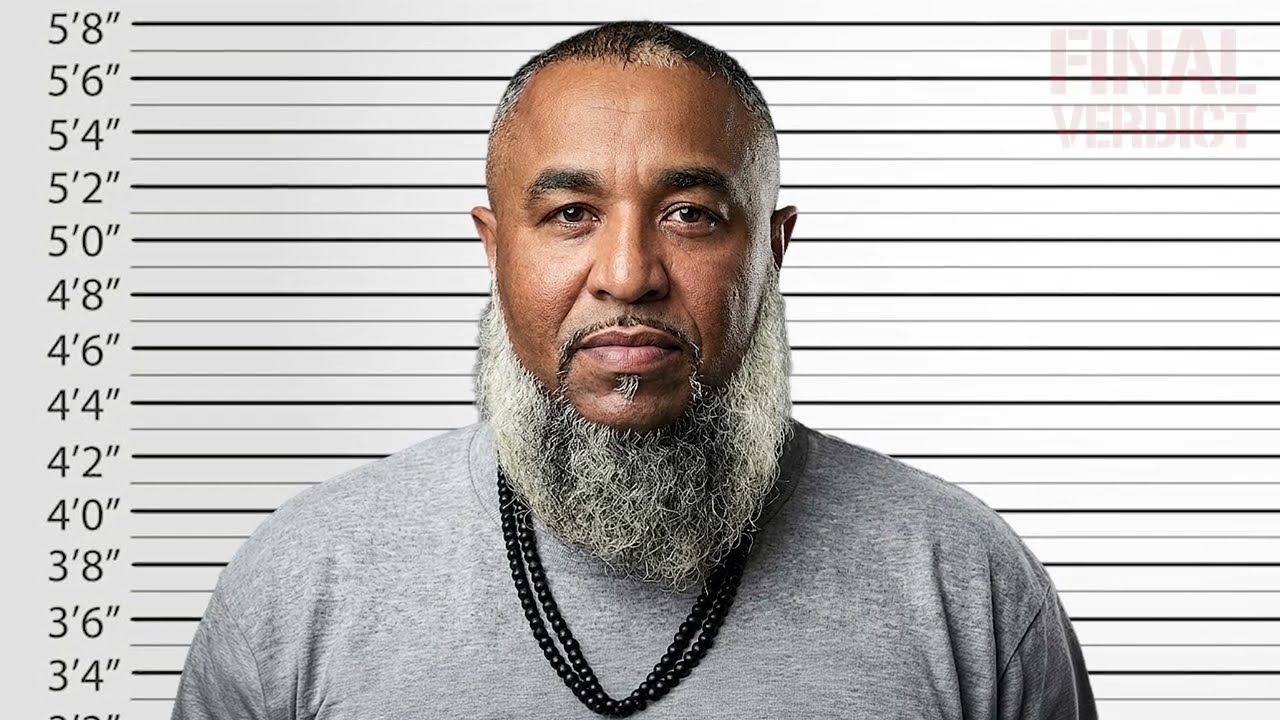
Knight was scheduled to be executed at 6 p.m.
Inside the death chamber, he was strapped to the execution table with an intravenous line already in place.
When asked whether he wanted to make a final statement, Knight offered a short religious message:
“I want to give thanks to Yahweh, who is the most high.”
He did not make a public apology to the victims’ families in his final statement.
The execution then proceeded.
Approximately 10 minutes later, a medic entered the chamber and Knight was pronounced dead.
Florida officials said there were no complications.
THE TWO VICTIMS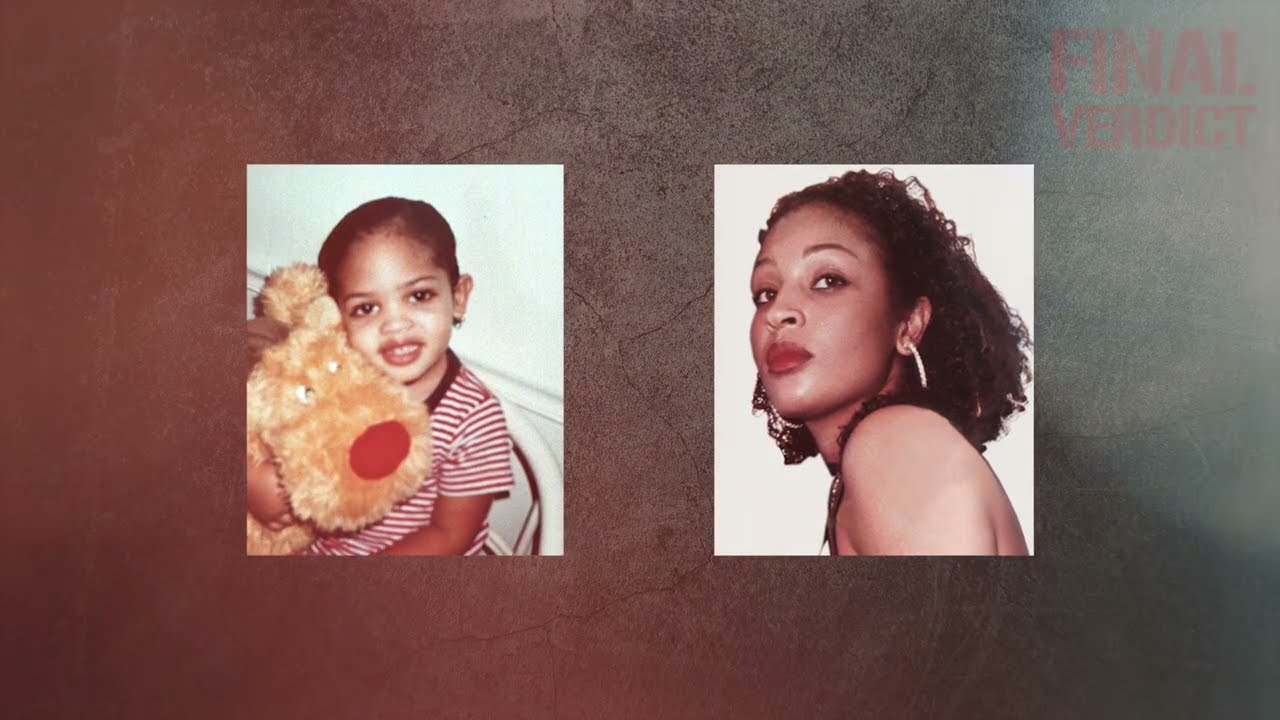
Knight’s death sentence came from the killings of Odessia Stephens and her four-year-old daughter, Hanessia Mullings, in Broward County.
The killings occurred on June 27, 2000, at the Coral Springs apartment where Knight was living with his cousin, Stephens and the child.
According to court records, Knight and Stephens had repeatedly argued about his living arrangements.
On the night of the killings, Stephens told Knight that he would have to move out the following morning.
Prosecutors said Knight became angry.
He attacked Stephens with a knife and then killed her young daughter.
Knight was later arrested and, while being held at the Broward County Jail, confessed the killings to another inmate. That inmate eventually testified against him.
Knight was convicted of two counts of first-degree murder in 2006 and was sentenced to death.
A LAST-MINUTE LEGAL FIGHT
Even in the final days, Knight’s attorneys continued trying to stop the execution.
His lawyers raised several arguments, including a claim involving an unidentified fingerprint discovered on a knife connected to the crime.
They also challenged Florida’s lethal-injection protocol and the state’s expedited death-warrant process.
The Florida Supreme Court rejected those arguments on May 15.
The court concluded that the fingerprint issue did not qualify as newly discovered evidence because the information had already been known and addressed during the original proceedings.
The court also rejected Knight’s challenge to the execution protocol and denied his request for a stay.
THE FINAL APPEAL
The legal battle continued until the very day of the execution.
Knight’s attorneys asked the U.S. Supreme Court to intervene and halt the execution.
That final effort did not stop Florida from carrying out the death sentence.
The execution proceeded Thursday evening at Florida State Prison near Starke.
MORE THAN TWO DECADES AFTER THE CRIME
The distance between the crime and the execution is difficult to ignore.
Stephens and her daughter were killed in 2000.
Knight was convicted six years later.
He then spent nearly two decades more challenging his convictions and death sentence through the courts.
By the time the state carried out the sentence, more than 25 years had passed since the killings.
For the families connected to the case, the long legal process had finally reached its final point.
FLORIDA’S SEVENTH EXECUTION OF 2026
Knight’s execution was also part of a broader period of frequent executions in Florida.
He became the seventh person executed by Florida in 2026 at that point in the year.
The execution followed Florida’s record 19 executions in 2025, according to AP reporting.
The case also came on the same day Tennessee officials halted the planned execution of Tony Carruthers after problems arose with establishing a required backup IV line, creating additional attention around execution procedures in the United States.
THE CASE IS OVER — BUT THE MEMORY REMAINS
Richard Knight’s appeals are now over.
The sentence imposed more than two decades ago has been carried out.
But the names at the center of the case are not his.
They are Odessia Stephens and Hanessia Mullings.
A mother.
A four-year-old daughter.
Two lives lost in June 2000.
And a criminal case that remained active through decades of court proceedings before finally reaching its conclusion inside a Florida execution chamber.
At 6:13 p.m. on May 21, 2026, Richard Knight was pronounced dead.
For the legal system, the case had reached its final chapter.
For the people who remember the victims, the story is much harder to reduce to a closing date.