LUCY LETBY CASE ROCKED BY BOMBSHELL NEW QUESTIONS AS WHISTLEBLOWER AND MEDICAL EVIDENCE PUT CONVICTION UNDER NEW SCRUTINY
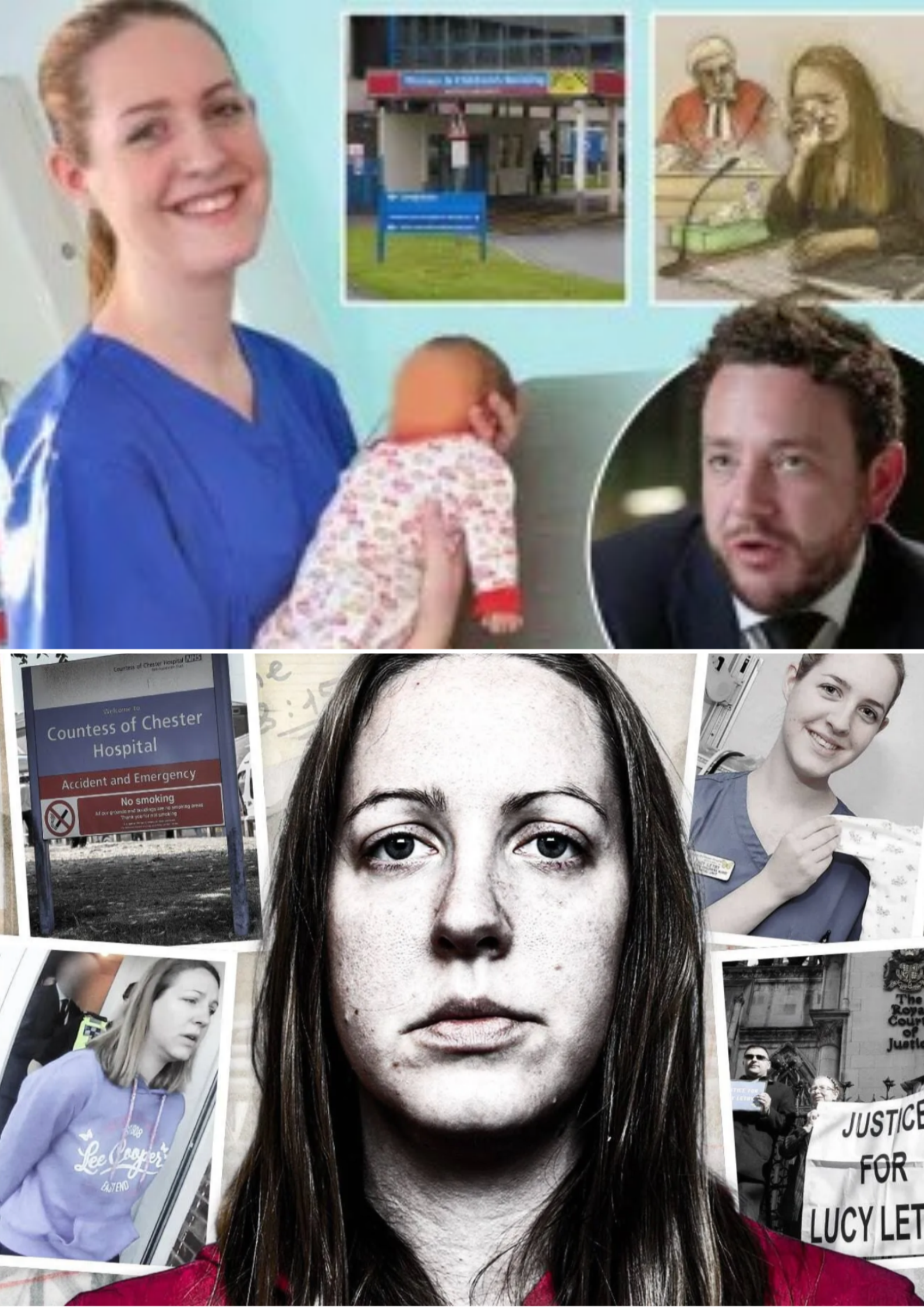
LUCY LETBY CASE ROCKED BY BOMBSHELL NEW QUESTIONS AS WHISTLEBLOWER AND MEDICAL EVIDENCE PUT CONVICTION UNDER NEW SCRUTINY
Lucy Letby’s case is facing renewed scrutiny after fresh claims about failures at the neonatal unit where she worked and new challenges to parts of the medical evidence used during her trials.
The former neonatal nurse remains imprisoned after being convicted of murdering seven babies and attempting to murder seven others.
But her legal team continues to argue that new medical evidence raises questions about some of the conclusions reached during the original proceedings.
The developments come as the newly published Thirlwall Inquiry report exposes serious failures in management, governance and safeguarding at the Countess of Chester Hospital.
 FRESH QUESTIONS ABOUT WHAT HAPPENED INSIDE THE NEONATAL UNIT
A new investigation by The Sun and Channel 5 has highlighted testimony from an anonymous hospital insider and medical arguments suggesting that some of the babies’ collapses and deaths could potentially have had alternative explanations.
The investigation focuses on conditions inside the neonatal unit, including concerns about staffing, medical care and infrastructure.
However, these claims should be distinguished from established findings.
The Thirlwall Inquiry found serious institutional failures at the hospital, but it was not an appeal hearing and did not determine whether Letby was guilty or innocent.
MEDICAL EVIDENCE IS NOW AT THE CENTRE OF THE APPEAL
One of the most significant developments concerns an expert panel assembled by Canadian neonatologist Dr Shoo Lee.
The panel has challenged aspects of the medical evidence used to support the prosecution case and argued that some of the deaths and collapses could have alternative medical explanations.
The Independent reported that the panel identified issues including possible infections, inadequate treatment, medical mismanagement and other clinical factors.
These arguments have been submitted as part of the continuing effort to have Letby’s case reconsidered. They remain contested and have not overturned her convictions.
 TWO EXPERTS HAVE NOW LEFT LETBY’S DEFENCE TEAM
At the same time, two scientists previously involved with Letby’s defence team withdrew from the case.
They said they continued to stand by their assessment that it was “very unlikely” that two babies had been poisoned, but they could not support arguments they believed were inconsistent with available evidence, science and established physiology.
Their departure has added another layer of controversy to an already fiercely disputed case.
THE HOSPITAL FAILURES WERE REAL — BUT WHAT DO THEY PROVE?
The Thirlwall Inquiry found profound failures at the Countess of Chester Hospital.
Lady Justice Thirlwall described dysfunctional management and governance, a divide between hospital leadership and clinicians, and a failure to properly understand safeguarding responsibilities.
The inquiry also found that concerns raised by doctors were not acted upon appropriately and that there was a prolonged delay before police were contacted.
But those findings do not, by themselves, establish that the deaths were caused by hospital failures rather than deliberate harm.
That distinction remains crucial.
QUESTIONS ABOUT THE PLUMBING SYSTEM
Concerns about plumbing problems at the neonatal unit have also resurfaced.
During her original trial, Letby herself told the court that raw sewage had allegedly come back through sinks in the neonatal unit and described plumbing problems in the intensive-care area.
She argued that such conditions could potentially have affected vulnerable babies.
Those claims were part of the evidence heard during the trial and are not, by themselves, proof of an alternative cause of death.
THE CCRC IS NOW CONSIDERING THE CASE
Letby’s legal team is continuing its effort to have her convictions reconsidered.
The case is currently before the Criminal Cases Review Commission, which has the power to refer a conviction back to the Court of Appeal if it believes there is a real possibility that the conviction could be overturned.
Her barrister Mark McDonald has expressed confidence that the case will be referred again, although that remains his assessment rather than a decision by the CCRC.
Meanwhile, the Court of Appeal has previously rejected Letby’s attempts to overturn her convictions.
THE CASE REMAINS DEEPLY CONTESTED
Lucy Letby continues to maintain her innocence.
Her supporters point to the emerging medical arguments and the documented failures inside the hospital as reasons to question the original conclusions.
Opposing that, the convictions remain legally in force, and some experts involved in the defence have themselves warned that certain arguments being advanced are inconsistent with established science.
For now, there has been no court ruling overturning Letby’s convictions.
What has changed is that the debate surrounding the case has entered a new phase — with medical evidence, hospital failures and the question of whether fresh evidence should receive another hearing now at the centre of attention.