Christa Pike Remains Unconscious on a Ventilator After Tennessee’s Failed Execution

Christa Pike Remains Unconscious on a Ventilator After Tennessee’s Failed Execution
Four days after Tennessee attempted to execute her, death-row inmate Christa Pike remains unconscious and on a ventilator as officials launch an independent review into what went wrong.
Pike, 50, was taken to a Nashville-area hospital after Tennessee’s lethal-injection attempt on Sept. 30 failed to end her life. Her attorney, Assistant Federal Defender Stephen Ferrell, said Sunday that Pike had not regained consciousness since the execution attempt.
Doctors continue to treat her while monitoring the effects of the drugs administered during the procedure. Her long-term prognosis remains uncertain.
The latest update comes as Tennessee faces growing scrutiny over its execution procedures. Gov. Bill Lee has ordered an independent review, and former U.S. Attorney Ed Stanton has been selected to lead the examination of the Tennessee Department of Correction’s actions.
The state has also paused executions scheduled for the remainder of 2026.
Pike Has Not Regained Consciousness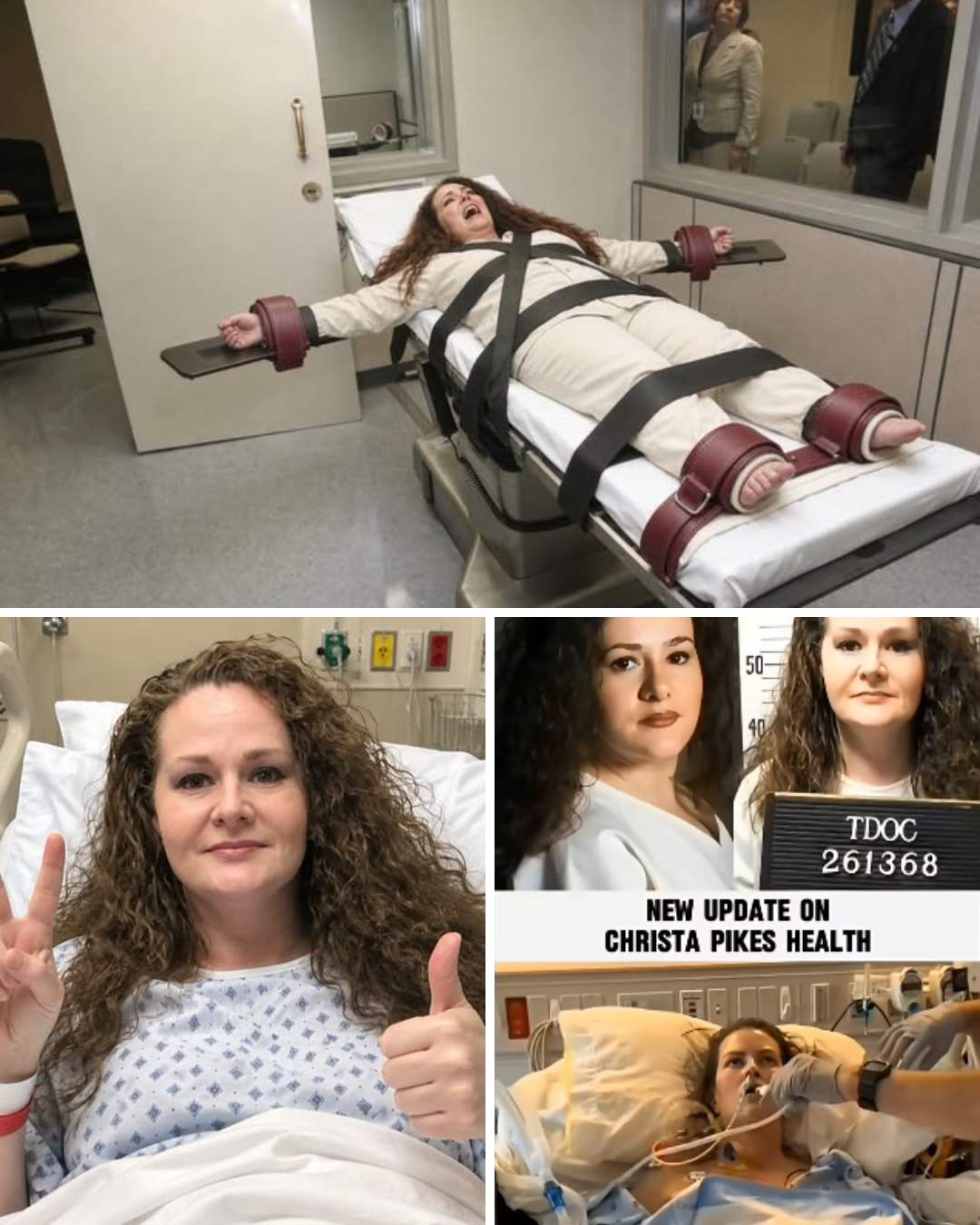
Pike’s condition has remained critical since she was transported from Riverbend Maximum Security Institution to a hospital following the failed execution.
Ferrell said he was not aware of Pike regaining consciousness since the lethal-injection attempt.
Her medical care is being managed privately, and her legal team has emphasized that information about her condition remains limited. Doctors are continuing to treat her and assess how her body is responding after she received two doses of pentobarbital.
The fact that Pike remains unconscious days after the procedure has added another layer of uncertainty to an already unprecedented situation.
The execution was intended to end her life.
Instead, she survived and remains hospitalized.
What Happened Inside the Execution Chamber?
Pike’s execution was carried out at Riverbend Maximum Security Institution in Nashville on the evening of Sept. 30.
Tennessee used pentobarbital under its single-drug lethal-injection protocol.
According to an Associated Press account of the execution, Pike remained alive after the first dose and continued showing signs of life after a second dose was administered.
Witnesses reported that she complained about pain in her arm during the procedure. Later, she appeared to lose consciousness but continued making breathing or snoring sounds for an extended period.
Eventually, the execution was stopped and Pike was transported to a hospital.
The Tennessee Department of Correction has said officials followed the established protocol, but questions remain about why the procedure failed.
Lawyers Say the IV Lines May Have Been a Critical Problem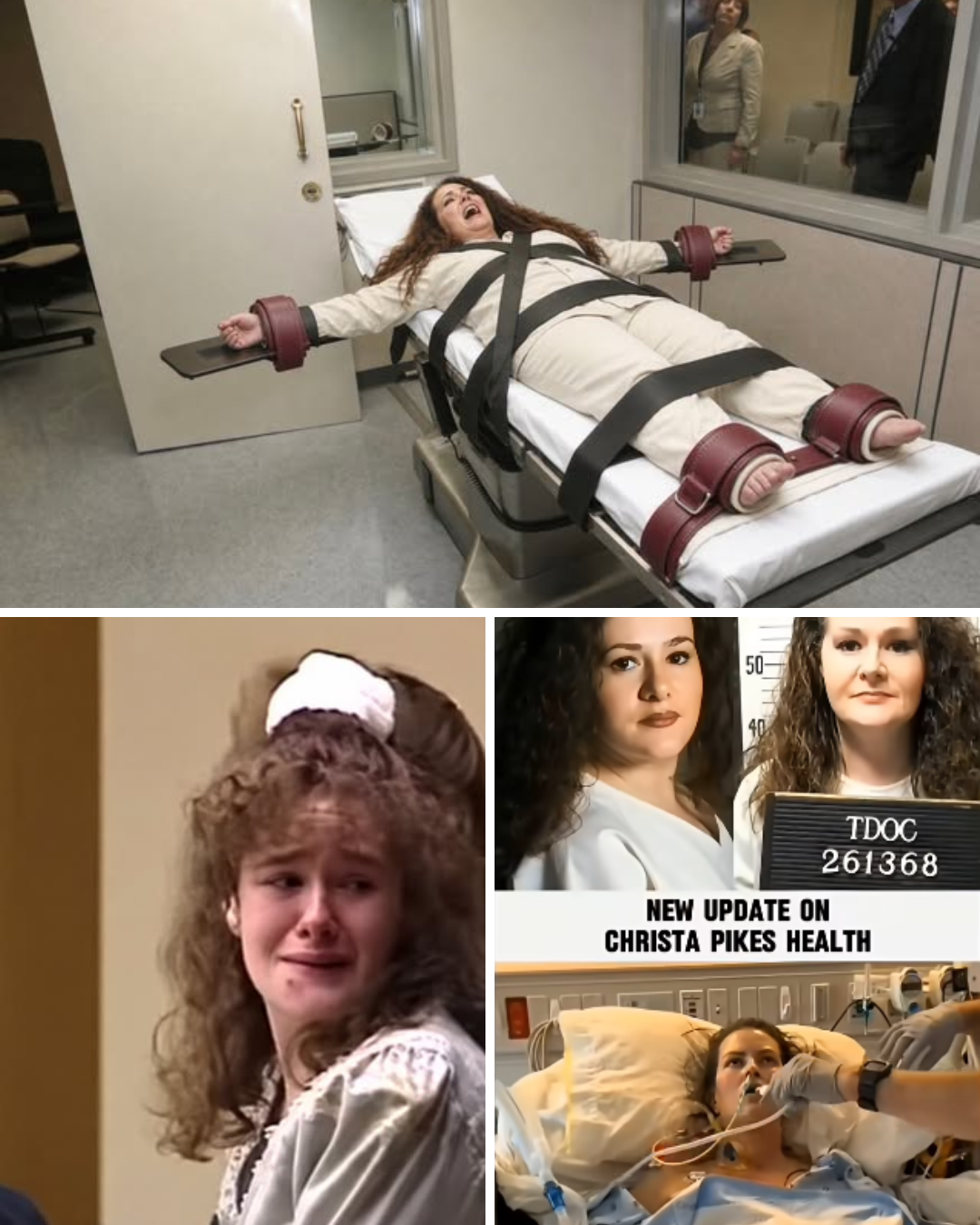
Pike’s attorneys have offered their own explanation for what they believe happened.
In a court filing, they alleged that problems with the IV lines prevented the pentobarbital from properly entering Pike’s bloodstream.
They argued that officials may not have recognized that the IV lines were incorrectly positioned or that the veins had failed before administering the second dose.
Those allegations have not been independently established.
The state’s independent review is expected to examine whether the execution team followed Tennessee’s protocol and what, if anything, went wrong during the procedure.
That distinction is important because the investigation could ultimately reach a different conclusion from the claims made by Pike’s defense team.
A Former U.S. Attorney Will Investigate
On Sunday, Gov. Bill Lee’s administration announced that former U.S. Attorney Ed Stanton will lead an independent review of the execution.
Stanton is a particularly notable choice because he previously conducted a major review of Tennessee’s lethal-injection practices.
In 2022, Stanton was appointed to examine problems with the state’s execution procedures after officials discovered that required testing of lethal-injection drugs had not been properly completed.
His earlier review found that Tennessee had failed to comply with parts of its own lethal-injection process. The state subsequently made changes to its execution procedures.
Now Stanton has been asked to examine whether the revised system was properly followed during Pike’s execution.
The review will determine whether Tennessee Department of Correction officials complied with the established protocol and whether additional recommendations are necessary to ensure the state’s procedures remain lawful and effective.
Tennessee’s Prison Chief Is Also Leaving
The failed execution has already produced a major administrative consequence.
Frank Strada, commissioner of the Tennessee Department of Correction, announced his resignation after the Pike execution.
Gov. Lee said Strada will step down this month.
Strada has maintained that he believes department employees followed the established procedures, but said his resignation was in the best interest of Tennessee while the independent investigation proceeds.
His departure represents the first significant leadership change announced following the failed execution.
It also means the investigation will unfold while the agency responsible for carrying out Tennessee’s executions undergoes a leadership transition.
The Second Failed Executio