THE REAL STORY BEHIND “THE TWO-HEADED MEXICAN”
THE REAL STORY BEHIND “THE TWO-HEADED MEXICAN”
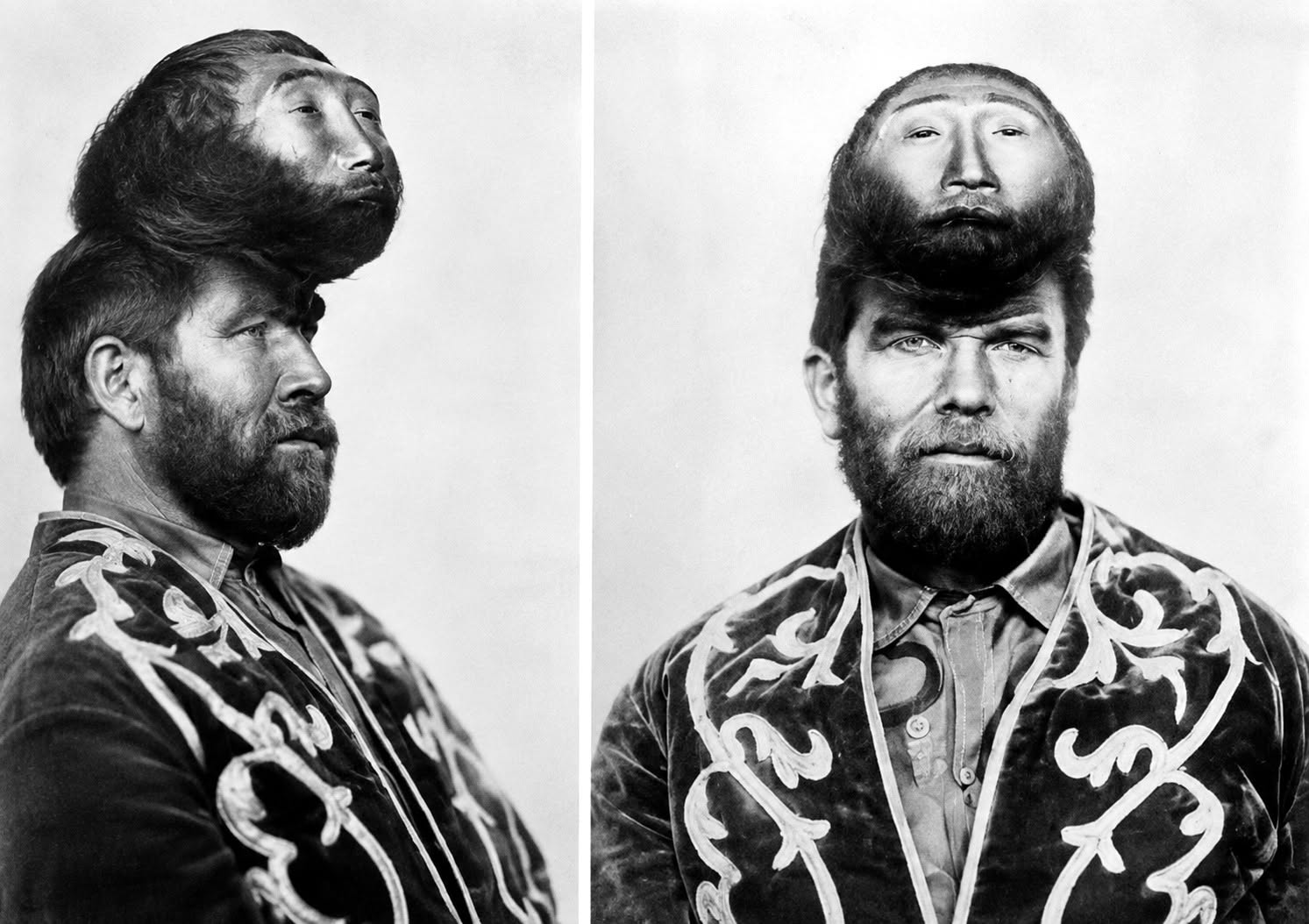
For years, early 20th-century audiences paid to see a man advertised as “The Two-Headed Mexican.” Vintage photographs appeared to capture an astounding sight: a second human head growing directly from the top of his own. However, behind the famous images lies a story of theatrical illusion rather than a medical mystery.
His name was Pasqual Piñón. Born in 1889, Piñón worked as a railroad laborer in Texas before entering the traveling sideshow circuit. A promoter noticed a large, natural growth on top of his head and recognized a commercial opportunity. Piñón was soon presented as an extraordinary two-headed human, eventually joining the prominent Sells-Floto Circus.
Photographs from the period, including a surviving 1917 circus postcard, made the attraction remarkably convincing. Yet historical accounts reveal that the second face was actually an artificial mask or structure fitted over the growth for performance purposes. While a genuine medical condition called craniopagus parasiticus does exist, Piñón’s second face was simply a manufactured sideshow trick—made from wax or underlying framework—designed to captivate paying crowds.
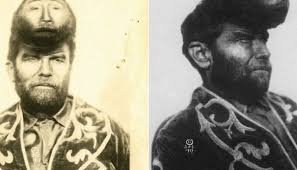
Piñón toured for about two years before the growth was surgically removed, allowing him to return to a quieter life in Texas until his death in 1929. Today, those circus photographs still circulate online, often mislabelled as proof of a two-headed man. In reality, Pasqual Piñón’s legacy reflects the era of early American sideshows, where real physical differences were transformed into elaborate public spectacles.