CHRISTA PIKE WAS DECLARED BRAIN DE@D — THEN SHE WOKE UP AND BEGAN TALKING
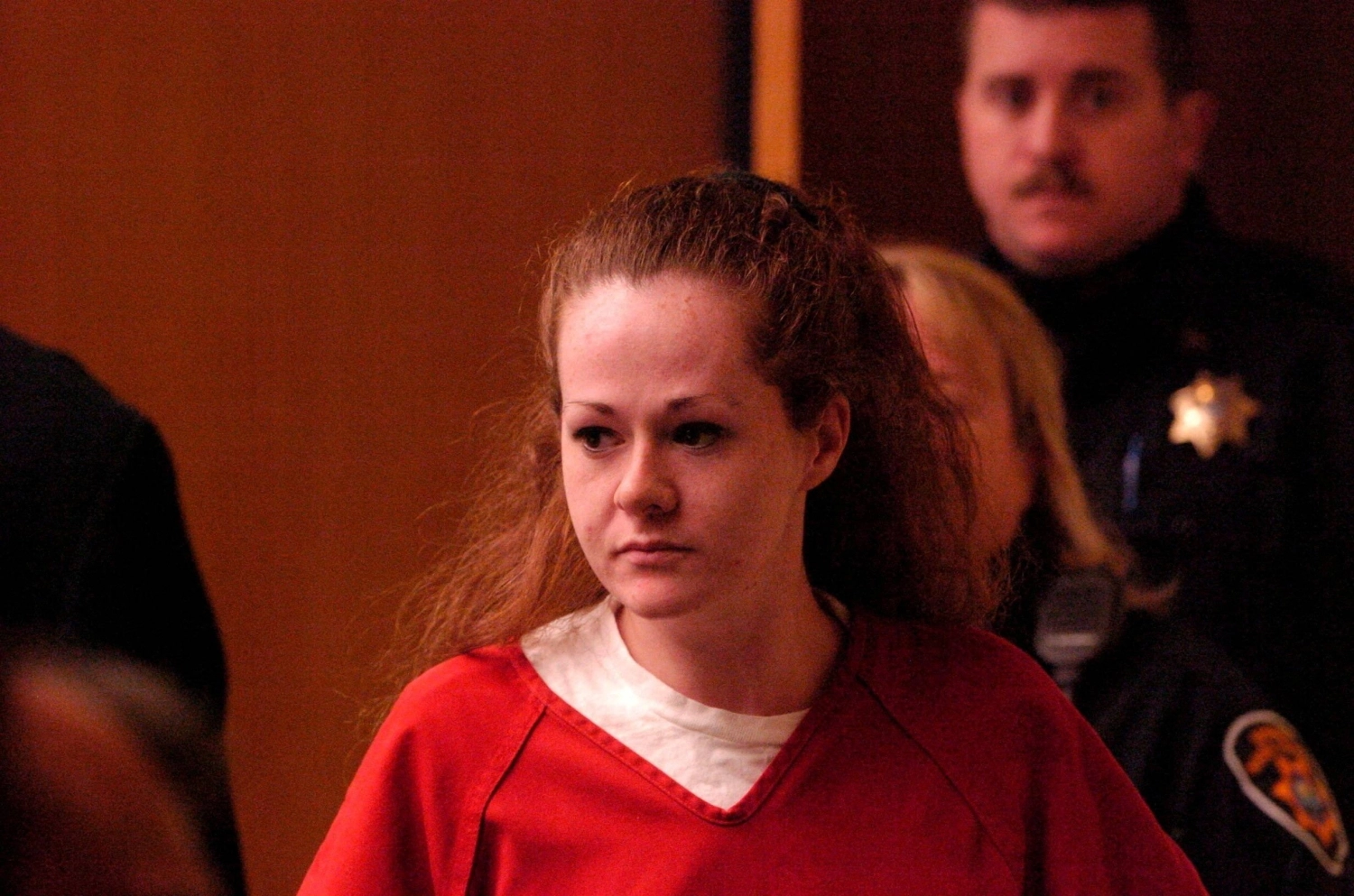
CHRISTA PIKE WAS DECLARED BRAIN DEAD — THEN SHE WOKE UP AND BEGAN TALKING
DAYS AFTER A FAILED LETHAL INJECTION, THE TENNESSEE DEATH ROW INMATE SURPRISED HER LAWYERS AND MEDICAL TEAM BY REGAINING CONSCIOUSNESS
Christa Pike was believed to be brain dead and was expected to be taken off life support — but hours later, the Tennessee death row inmate woke up and began talking, according to her attorney.
The extraordinary development came less than a week after Pike survived a failed execution attempt in Tennessee, where she received two doses of pentobarbital but remained alive.
Her lawyers now say she is conscious and communicating, although she remains seriously ill in a Nashville hospital and faces a long and uncertain recovery.
 A SHOCKING TURN OF EVENTS
Pike, 50, was scheduled to be executed on September 30 at Riverbend Maximum Security Institution in Nashville.
She was given two doses of pentobarbital during the lethal-injection procedure.
But the execution did not result in her death.
According to her attorneys, the injections caused severe injuries to her arms after the drug entered tissue instead of being properly delivered through the veins. Pike was ultimately taken from the prison to a hospital, where she remained unconscious and critically ill.
The Tennessee Department of Correction said after the failed procedure that officials had followed the state’s established execution protocol.
HER LAWYERS THOUGHT SHE WAS DYING
For several days, Pike remained in critical condition.
Then, on Monday night, October 5, her legal team was told that she was considered brain dead and that life support would be removed the following day.
Her attorney Randy Spivey said the expectation was that Pike would not survive.
But Tuesday brought an astonishing change.
According to Spivey, Pike woke up and began talking.
The development reportedly shocked her lawyers and members of the medical team who had been caring for her.
 “WHERE AM I?”
When Pike regained consciousness, one of the first things she reportedly wanted to know was where she was.
Spivey said he was told that Pike asked:
“Where am I?”
She also reportedly asked:
“Who are you?”
Her attorney said she appeared confused but was aware enough to understand that something significant had happened to her.
Pike has also reportedly been asking about what happened during the failed execution and about people connected to her case.
SHE REMEMBERS THE EXECUTION
According to her lawyers, Pike is aware that Tennessee attempted to execute her.
Spivey described her as angry and confused about what happened.
Her legal team said she has been speaking with people around her, although her communication remains limited and her cognitive condition is still being assessed.
Her recovery, however, is far from complete.
PIKE REMAINS SERIOUSLY ILL
Despite regaining consciousness, Pike continues to face significant medical problems.
Her attorneys say she has pneumonia and a blood clot, while her arms and hands remain severely swollen following the failed injections.
She reportedly cannot swallow and has been unable to eat normally. She also has difficulty moving her arms, and it remains unclear how much function she will eventually regain.
Her lawyers have warned that she could face a lengthy recovery.
CBS News also reported that Pike’s attorneys said her prognosis remained unclear and that they expected, at minimum, a long recovery.
THE FAILED EXECUTION IS NOW UNDER COURT SCRUTINY
Pike’s legal team has filed legal action seeking to preserve evidence from the execution attempt.
On October 7, a Tennessee judge ordered state officials to preserve evidence connected to the failed execution, including physical and electronic records.
The order came as Pike’s lawyers sought access to materials that could help determine exactly what happened inside the execution chamber.
The legal team has also raised questions about the execution procedure and the condition of Pike’s veins before the lethal injection.
The state, meanwhile, has maintained that its execution protocol was followed.
A SECOND EXECUTION ATTEMPT?
What happens next remains uncertain.
Pike is still under a death sentence, but her medical condition and the circumstances surrounding the failed execution could lead to major legal questions about whether Tennessee could attempt another execution.
The Associated Press reported that legal experts view the situation as highly unusual because Pike received the execution drugs and survived, unlike many previous failed execution attempts where the procedure was stopped before lethal drugs were successfully administered.
Tennessee Gov. Bill Lee has suspended the state’s remaining executions for 2026 while officials review the problems surrounding Pike’s execution and another failed execution attempt earlier this year.
WHY CHRISTA PIKE WAS ON DEATH ROW
Pike was sentenced to death for her role in the 1995 killing of 19-year-old Colleen Slemmer.
Pike was 18 at the time of the crime.
She was convicted of participating in Slemmer’s torture and killing in Knoxville, Tennessee.
Pike’s scheduled execution would have made her the first woman executed by Tennessee in more than 200 years.
Slemmer’s family has also been following the extraordinary events surrounding Pike’s failed execution.
For them, the case remains connected to the loss of a 19-year-old woman whose life ended decades ago.
AN UNPRECEDENTED AFTERMATH
The events surrounding Christa Pike have now moved far beyond a failed execution.
She survived two doses of a lethal drug.
She spent days unconscious in a hospital.
Her lawyers were then told that she was considered brain dead and that life support would be withdrawn.
And then, unexpectedly, she woke up.
She began talking.
She asked where she was.
And according to her legal team, she understood that Tennessee had attempted to end her life.
Now, Pike remains in hospital, seriously ill and facing an uncertain future.
At the same time, her lawyers are fighting to preserve evidence from the execution chamber — while courts and state officials confront an extraordinary question with no easy answer:
What happens when a state attempts to carry out an execution — and the person survives?