SURVIVING SJS/TEN: ALESHIA ROGERS’ FIGHT FOR LIFE
SURVIVING SJS/TEN: ALESHIA ROGERS’ FIGHT FOR LIFE
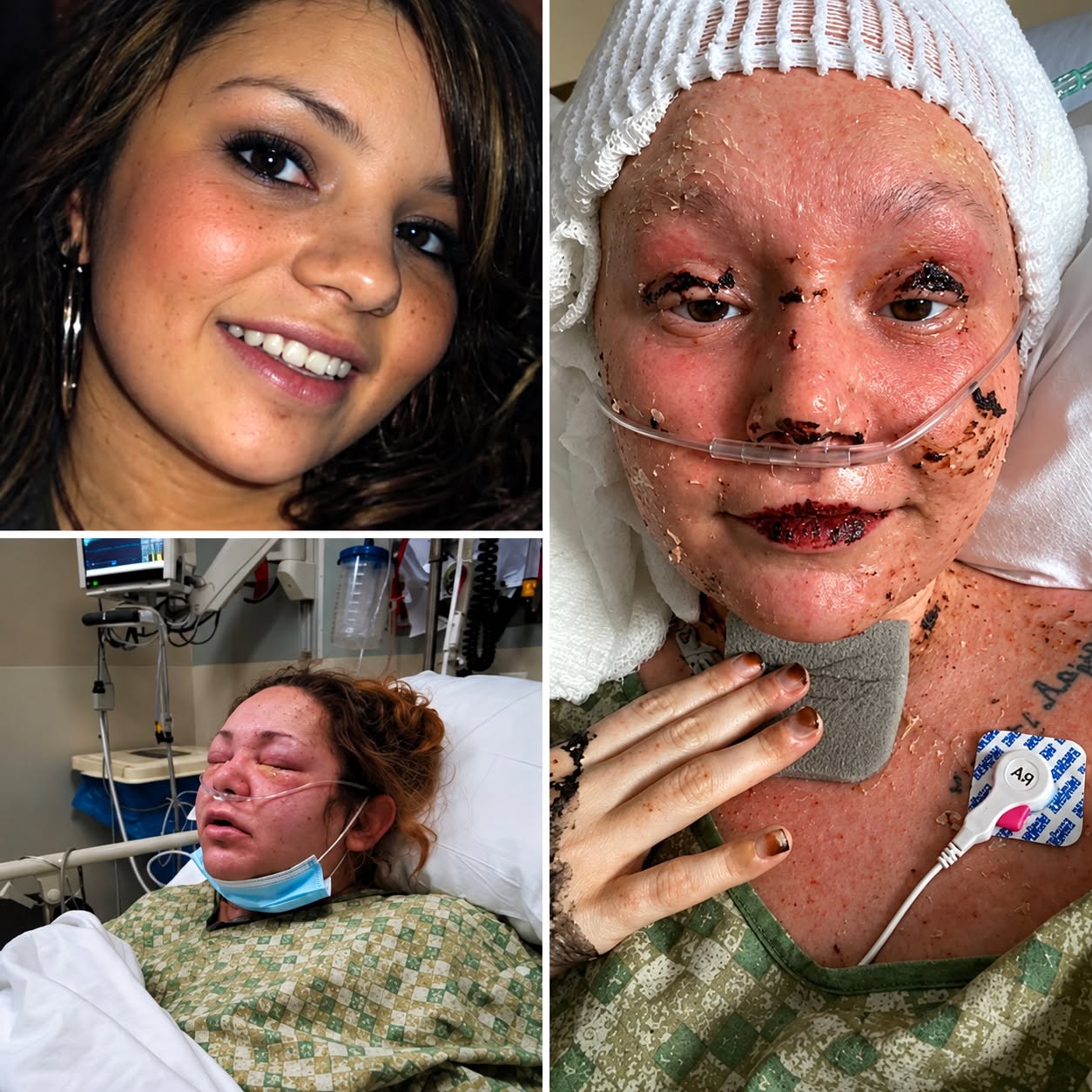
Aleshia Rogers had used ibuprofen for years without issue, but shortly after giving birth to her third child in 2020, a routine medication triggered a catastrophic medical crisis. What began as ordinary flu-like symptoms, a fever, and bloodshot eyes rapidly escalated into Stevens–Johnson syndrome progressing to toxic epidermal necrolysis (SJS/TEN)—a rare, life-threatening immune response that destroys epidermal cells.

Initially misdiagnosed with pink eye and later scarlet fever, Aleshia’s condition deteriorated swiftly. Severe facial swelling and widespread blistering culminated in the loss of an estimated 90–95% of her skin. Complicated by sepsis and organ failure, her care mirrored that of a massive burn victim, requiring fluid control, infection prevention, and continuous monitoring. Placed in a medically induced coma for three weeks, she received intensive supportive treatment, including an amniotic membrane transplant to protect her eyes from permanent damage.
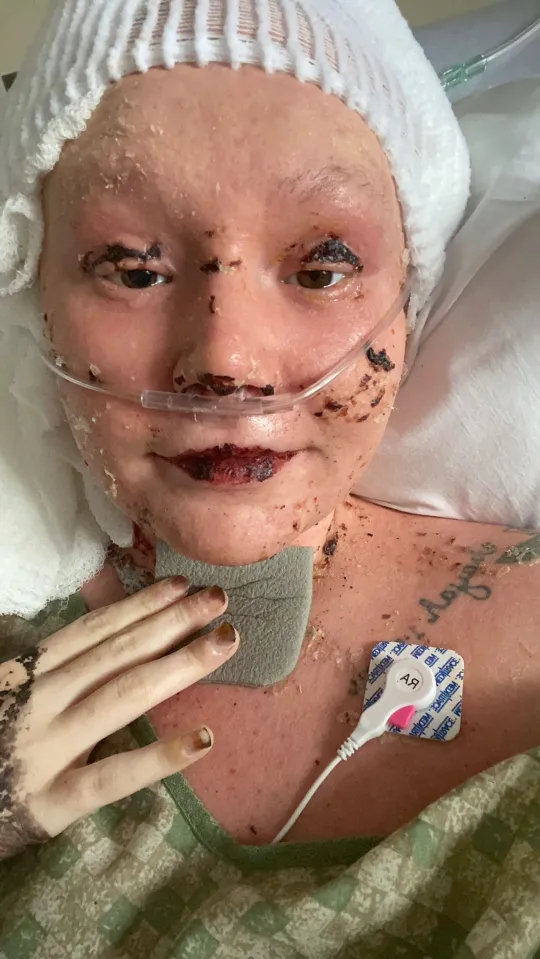
Against low odds of survival, Aleshia woke up, only to confront another terrifying reality: significant memory loss. She had no recollection of giving birth to her youngest son, Jaxon, shortly before the crisis. Though ibuprofen was identified as the likely trigger, formal causality remains complex, underscoring how previous tolerance to a drug does not guarantee lifelong safety. Aleshia survived the acute ordeal and spent a month in the hospital, but her journey continues with long-term recovery, ongoing specialist care, and the enduring challenge of piecing her life back together.