“I’M SORRY” — JAMAAL HOWARD’S FINAL WORDS TO HIS VICTIM’S FAMILY AS TEXAS CARRIES OUT CONTROVERSIAL EXECUTION
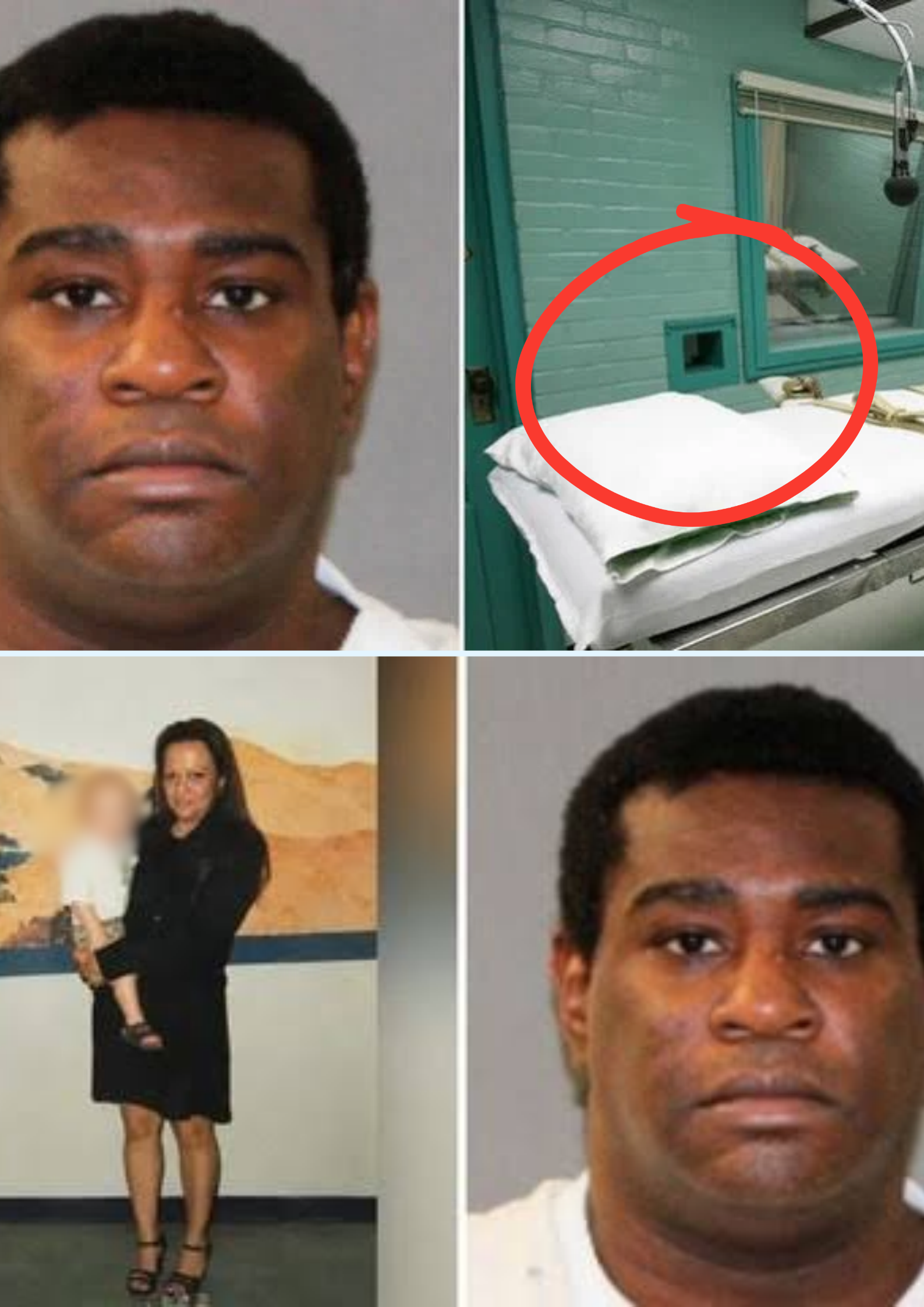
“I’M SORRY” — JAMAAL HOWARD’S FINAL WORDS TO HIS VICTIM’S FAMILY AS TEXAS CARRIES OUT CONTROVERSIAL EXECUTION
Jamaal Howard was 46 when Texas carried out his execution on October 7, 2026. His final hours drew national attention after his lawyers made a last-minute appeal, warning of concerns similar to those raised after Christa Pike survived a failed execution in Tennessee. Before his death, Howard apologised to the family of Vickie Swartout, the shop worker he was convicted of killing in 2000.
Howard’s execution became the first in the United States since the failed lethal-injection attempt involving Christa Pike on September 30. The timing placed renewed attention on the procedures used in executions and the legal challenges brought by prisoners facing the same method.
Howard was pronounced dead at 8:03 p.m. local time at the Huntsville Unit in Texas after receiving pentobarbital.
 A FINAL APOLOGY TO THE FAMILY
Before the procedure, Howard was given an opportunity to make a final statement.
According to reports, he apologised repeatedly to members of Vickie Swartout’s family, who were present to witness the execution. He also expressed love for his own relatives.
The apology came more than 26 years after Swartout’s death, a loss that her loved ones have carried for decades.
Howard’s final words were a deeply personal moment in a case that had returned to national attention amid questions about lethal-injection procedures.
THE 2000 ROBBERY THAT LED TO A DEATH SENTENCE
Howard was convicted of capital murder for the killing of 42-year-old convenience-store clerk Vickie Swartout during a robbery in Silsbee, Texas, in May 2000.
Court records said Howard was 20 at the time. Evidence presented at trial included surveillance footage showing the shooting. He took $114 and a carton of cigarettes from the store, according to reports.
He was convicted and sentenced to death in 2001. His appeals continued for years, but the courts ultimately allowed the execution to proceed.
 LAWYERS TRIED TO STOP THE EXECUTION
In the days before the execution, Howard’s lawyers sought a stay, arguing that he had an intellectual disability and should therefore be ineligible for execution under constitutional protections.
They also raised concerns about the pentobarbital Texas intended to use, arguing that the drug could be degraded because it was past its original beyond-use date. Their concerns were heightened by the failed attempt to execute Christa Pike in Tennessee using the same drug.
The Texas Court of Criminal Appeals and the U.S. Supreme Court rejected the last-minute requests, allowing the execution to go ahead. The courts did not provide detailed explanations for the denials in their final decisions.
WHY CHRISTa PIKE’S CASE CHANGED THE CONVERSATION
Just a week earlier, Pike had survived two doses of pentobarbital during an attempted execution in Tennessee. She was hospitalised and later regained consciousness, but her lawyers reported serious injuries and concerns about her cognitive recovery.
Howard’s attorneys argued that the recent events in Tennessee raised questions about the risks of using potentially degraded execution drugs in Texas.
The appeals were unsuccessful, and Howard became the first person executed in the country after Pike’s failed procedure. The two cases have intensified public scrutiny of lethal-injection protocols, although the circumstances of the executions were not identical.
A CASE THAT LEAVES DIFFICULT QUESTIONS
For Swartout’s loved ones, Howard’s execution brought the end of a decades-long legal process, but it could not undo the loss of a family member.
For Howard’s relatives, it marked a final goodbye. His case also raised broader questions about capital punishment, the treatment of prisoners with possible intellectual disabilities and the reliability of the drugs used in lethal injections.
Those issues remain part of the wider national debate, particularly as other executions are scheduled in the coming months.
Jamaal Howard’s life ended on October 7, but the questions surrounding the execution process continue. His final apology, the years of appeals and the timing of his execution after Christa Pike’s failed procedure have placed his case at the centre of a renewed debate over the death penalty in America.