Nolan Wells Case: Head Injuries, No Water in His Airways and Deleted Snapchat Messages Raise New Questions
Nolan Wells Case: Head Injuries, No Water in His Airways and Deleted Snapchat Messages Raise New Questions
An undetermined cause of death, injuries to the back of his head and recovered Snapchat records have kept questions surrounding Nolan Wells’ death in the spotlight. But investigators have not established that a crime occurred.
Nolan Xavier Wells, an 18-year-old college football player from Ocean Springs, Mississippi, disappeared during a Fourth of July boat trip to Horn Island in 2026. His body was recovered from the water on July 6, two days after he was last seen.
Months later, the circumstances of his death remain disputed. Both the state medical examiner and a pathologist hired by his family classified the cause and manner of death as undetermined. A Jackson County grand jury subsequently declined to indict anyone, finding the evidence consistent with drowning. <Cite refs={[“turn404732search0″,”turn404732news8″,”turn404732news1”]}/>
What Did the Autopsy Reveal?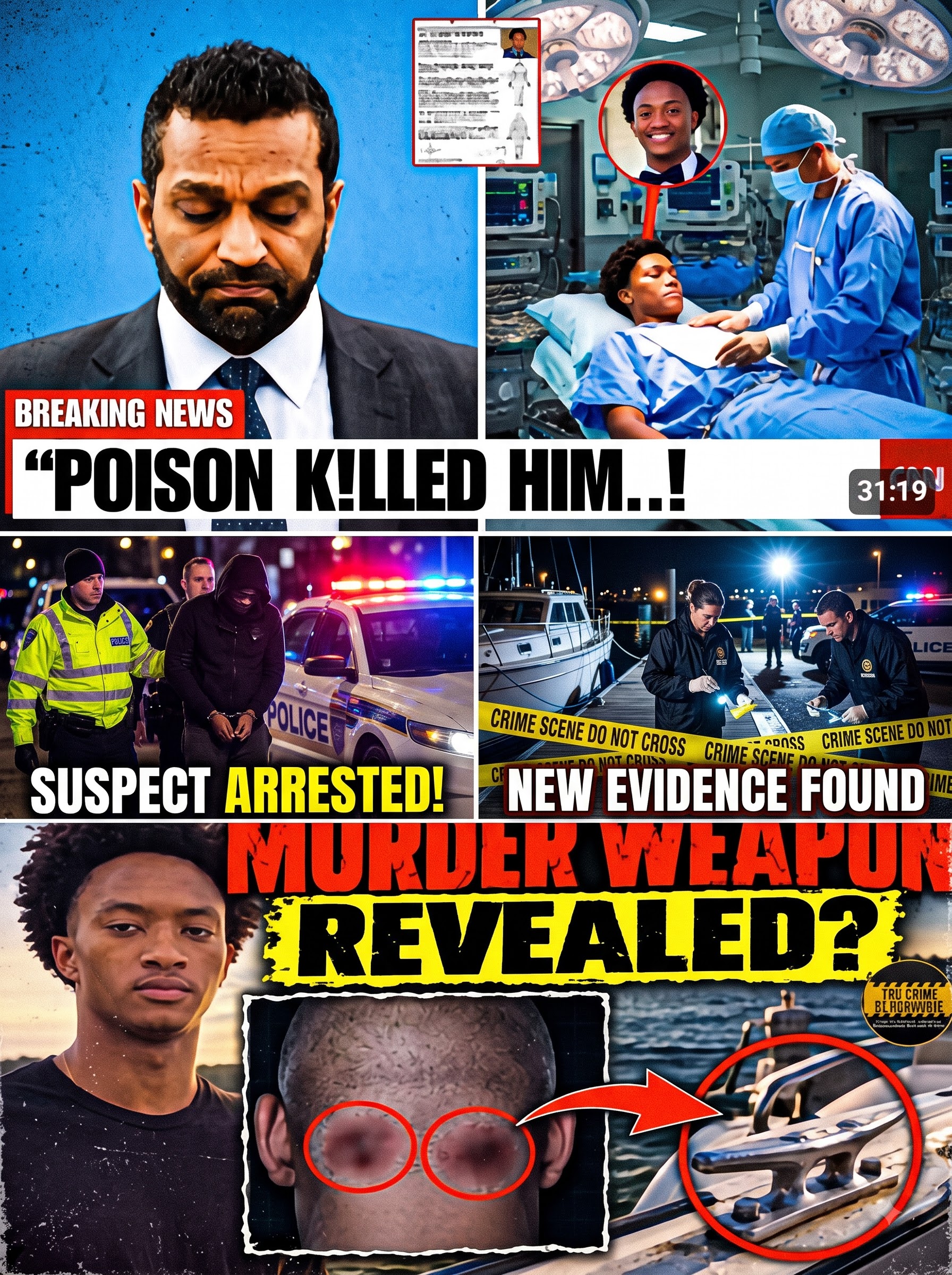
The state autopsy documented two dark red-purple contusions beneath the scalp at the back of Wells’ head. The report did not identify a skull fracture or establish how the injuries occurred.
The family’s independent pathologist also classified the cause and manner of death as undetermined, noting limitations that prevented a definitive conclusion.
Reports highlighted the absence of water in Wells’ airways and stomach. His family’s attorney, Ben Crump, has questioned whether the findings fully explain the circumstances of his death.
However, the absence of those findings does not, by itself, prove that drowning was impossible or establish that another person caused his death. Neither autopsy determined precisely what happened to Wells.
The medical findings remain central to the family’s demand for further answers.
What the Recovered Snapchat Records Actually Show
A separate development came on September 24, when Crump and digital-forensics expert Andrew Garrett presented findings from an examination of Wells’ cellphone.
The examination recovered hundreds of pages of Snapchat messages and other digital records. Some messages had been recalled or deleted remotely by users in the conversations, according to Garrett.
Garrett later clarified that his findings did not establish that someone physically unlocked Wells’ phone and deleted messages after its last recorded use. He said Snapchat allows users to delete messages remotely from another participant’s conversation history.
That distinction is significant. The recovered records may provide investigators with additional context about conversations before Wells disappeared, but they do not independently prove that his friends tampered with his phone or were involved in his death. <Cite refs={[“turn404732search3″,”turn404732search4″,”turn404732search5”]}/>
Why Did the Grand Jury Decline to Bring Charges?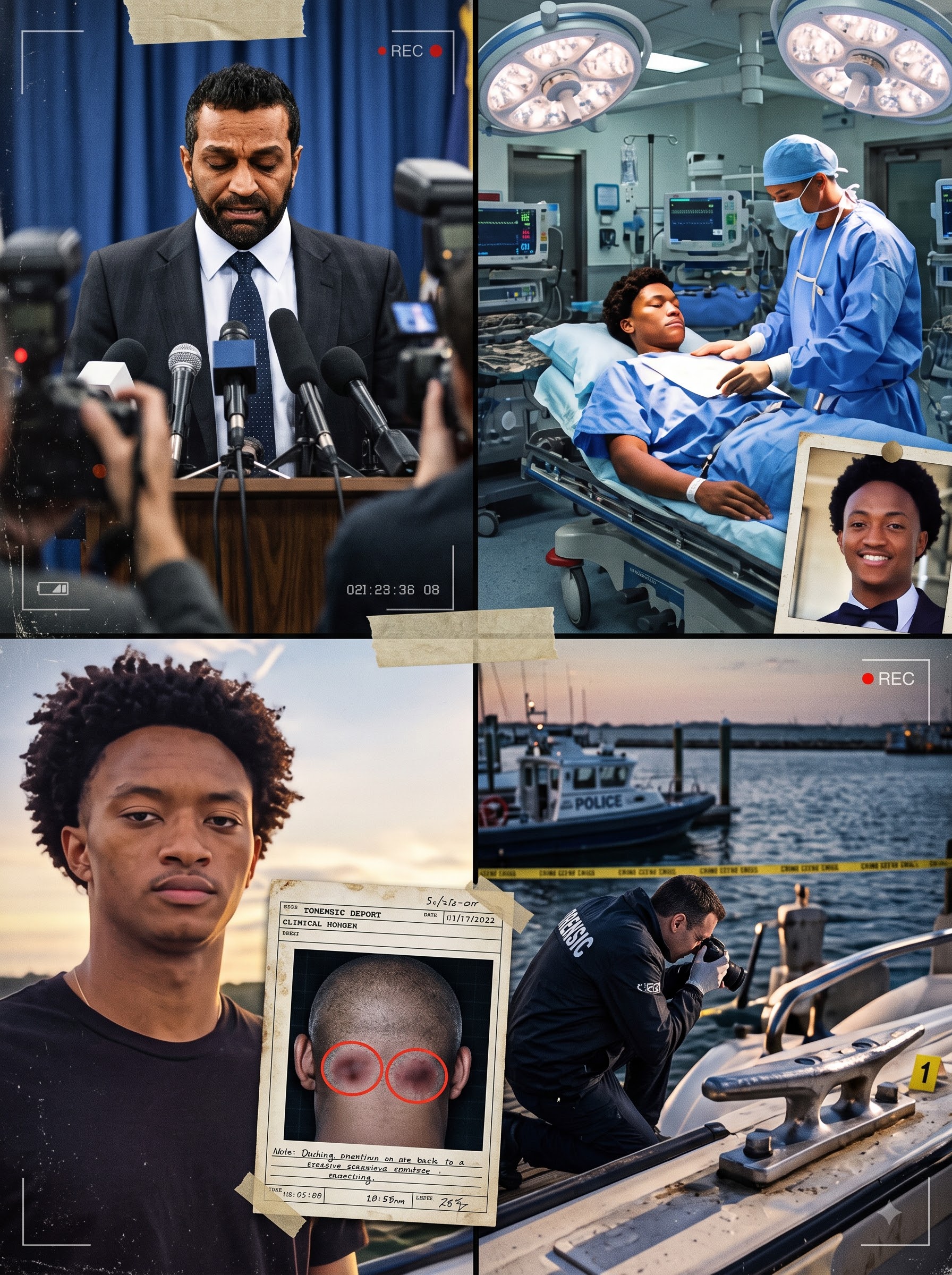
On September 21, the Jackson County grand jury declined to indict anyone in connection with Wells’ death.
Its findings included the conclusion that Wells was not involved in a physical altercation or argument on July 4. The grand jury also found that the location and condition of his body were consistent with drowning.
Wells’ family has continued to question aspects of the investigation, particularly the unresolved cause of death and the autopsy findings. Their concerns have fueled calls for greater transparency and additional scrutiny.
But the grand jury’s decision remains an important part of the record: prosecutors did not establish a basis for criminal charges against the people examined in the case.
A Case Now Carrying Legal Consequences
The dispute has extended beyond the investigation itself. In October, three of Wells’ friends filed a defamation lawsuit against former NFL player Terrell Owens, alleging that his public comments demanding their arrest damaged their reputations and exposed them to threats and harassment.
The friends deny wrongdoing. The lawsuit underscores the consequences of publicly accusing people of involvement in a death when criminal charges have not been brought. <Cite refs={[“turn404732news7″,”turn404732news6”]}/>
Meanwhile, Wells’ family continues to seek a fuller explanation of his final hours.
The Questions That Remain
How did Wells sustain the injuries documented in the autopsy? What happened after he was last seen on Horn Island? And can further forensic work establish a definitive cause of death?
Those questions remain unanswered. The autopsy findings and recovered digital records have added information to the public discussion, but they have not established a criminal act or identified anyone responsible for Wells’ death.
For his family, the uncertainty continues. For investigators, the challenge is to determine whether any additional evidence can clarify what happened.
Nolan Wells’ cause of death remains undetermined. The evidence has raised questions, but the central mystery is still unresolved: what happened during his final hours on Horn Island?