Christa Pike Survives Failed Tennessee Execution as New Questions Emerge About What Went Wrong
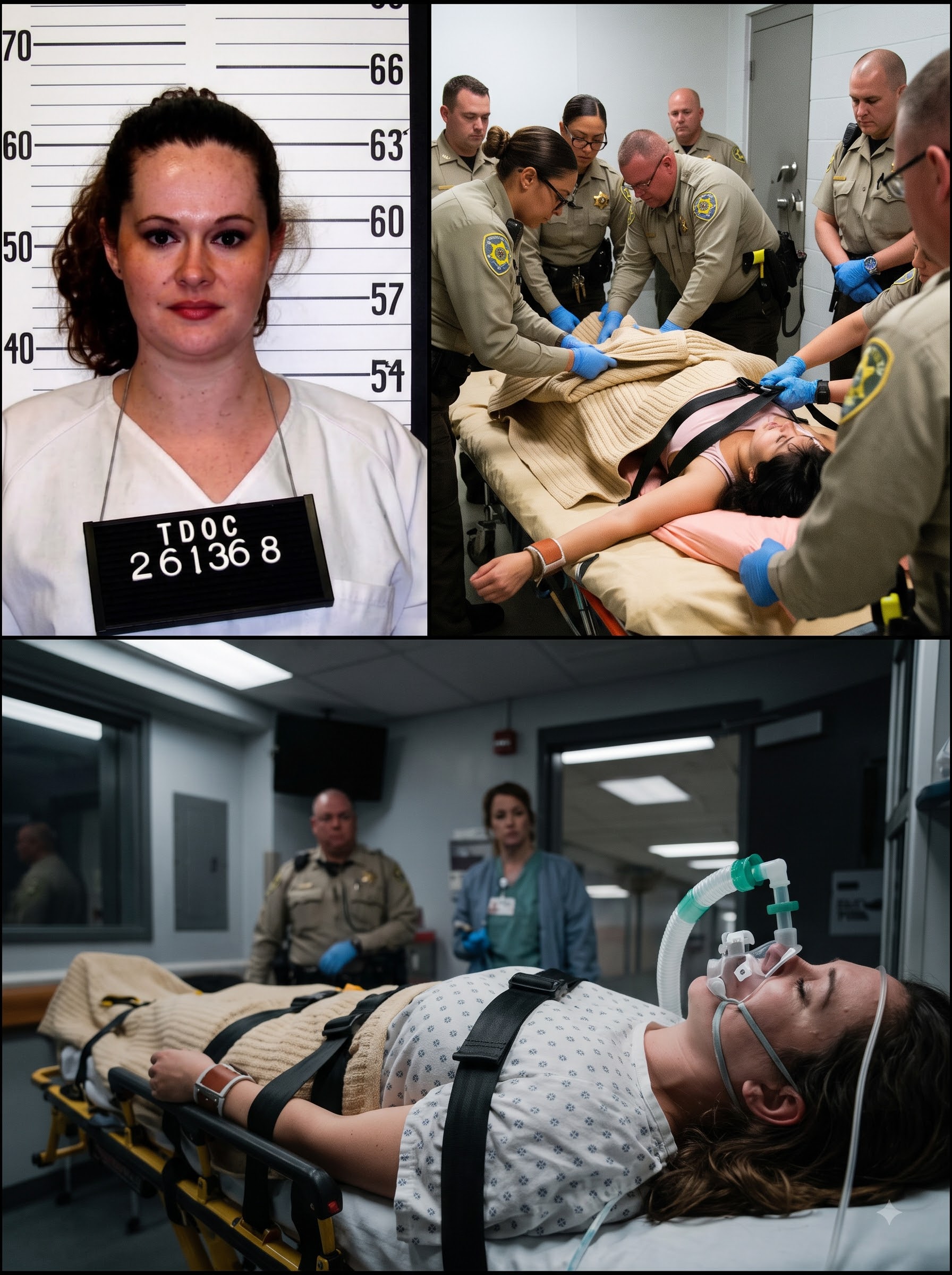
Christa Pike Survives Failed Tennessee Execution as New Questions Emerge About What Went Wrong
After surviving two doses of lethal-injection drugs, Christa Pike has left the hospital—but the legal and medical questions surrounding Tennessee’s failed execution remain unresolved.
Christa Pike has returned to prison after surviving a lethal-injection attempt that left her critically ill and raised serious questions about Tennessee’s execution procedures.
The 50-year-old death-row inmate was discharged from a Nashville-area hospital on October 10 and transferred back to the Debra K. Johnson Rehabilitation Center, where she had been held for more than three decades. Her attorneys said she would continue receiving medical care while they monitor her recovery. CBS News
The transfer marks a significant development after days of uncertainty over whether Pike would survive the September 30 execution attempt. Her lawyers previously reported that she had regained consciousness, begun speaking, and taken steps with assistance. They also warned that the long-term effects of the ordeal remained unclear. The Associated Press, via The Washington Post
Two doses failed to end the execution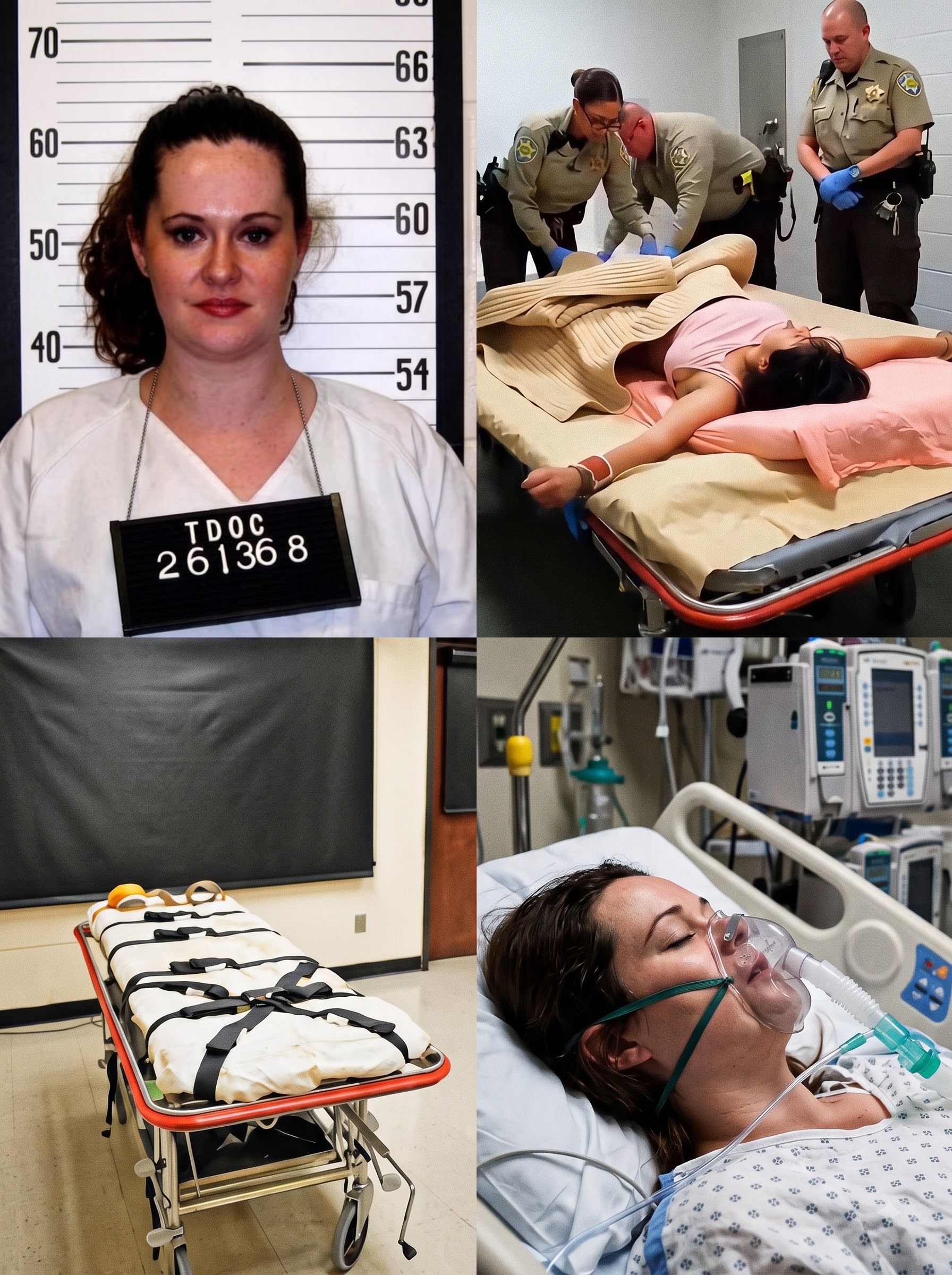
Tennessee attempted to execute Pike using pentobarbital, a drug used in lethal injections. According to court filings and accounts from witnesses, the procedure became prolonged and medical personnel struggled to establish intravenous access.
Pike received two doses of the drug but remained alive. Her attorneys later reported that she suffered severe injuries to both arms, including swelling, burns, and blisters, which they believe may have resulted from problems with the IV lines.
Medical and lethal-injection experts have raised questions about whether the drug entered surrounding tissue instead of being properly delivered into her bloodstream. However, state officials have not publicly established a definitive explanation for what went wrong.
During the first days after the attempt, Pike was unconscious, critically ill, and receiving breathing support on a ventilator. Her subsequent return to consciousness and gradual physical improvement offered a striking change from those initial reports.
Still, her lawyers have cautioned that visible progress does not necessarily mean she has recovered fully. Potential long-term physical or cognitive effects remain uncertain. Associated Press reporting
A judge orders Tennessee to preserve evidence
The failed execution has also triggered a legal battle over the records and materials that could help explain what happened.
On October 7, a Tennessee judge ordered officials to preserve evidence connected to the attempt. The order covers items and records including execution drugs, syringes, IV lines, medical equipment, photographs, recordings, communications, and documentation of complications or delays.
Pike’s attorneys sought the order because they believe the evidence may be essential to determining whether the state violated her constitutional protections against cruel and unusual punishment.
Their allegations have not yet been resolved in court. The evidence-preservation order also does not, by itself, establish that officials intentionally caused Pike’s injuries or determine whether any individual was legally responsible.
The investigation into the procedure could have implications beyond Pike’s own case, particularly if it reveals failures in the state’s execution protocols.
Tennessee suspends executions amid growing scrutiny
The consequences have already reached the state’s corrections leadership.
Following the failed attempt, Tennessee Gov. Bill Lee postponed the state’s remaining scheduled execution for 2026 and ordered an independent review. Corrections Commissioner Frank Strada subsequently announced his departure.
Those developments have intensified scrutiny of Tennessee’s lethal-injection procedures and renewed the wider national debate over whether executions can be carried out reliably and constitutionally.
Pike’s case is particularly unusual because she is the first person in the United States known to have survived after execution drugs were administered during a lethal-injection attempt, according to the Death Penalty Information Center. Death Penalty Information Center
What happens to Pike’s death sentence now?
Pike was sentenced to death for the 1995 murder of 19-year-old Colleen Slemmer, a fellow Job Corps student. Pike was 18 at the time of the crime and has spent decades on Tennessee’s death row.
Her survival does not automatically overturn her conviction or sentence. Her attorneys have said they intend to seek a commutation to life imprisonment without the possibility of parole, arguing that she should not be subjected to another execution attempt.
Whether Tennessee will seek to carry out the sentence again remains uncertain. The state’s review, the legal proceedings over the failed execution, and questions about Pike’s lasting medical condition could all shape what happens next.
For now, Pike is back in custody and receiving medical care. The state has paused executions while its review proceeds, but many of the most important questions remain unanswered.
How did an execution intended to end a life leave its intended outcome unfulfilled—and what will the evidence reveal about the procedure that followed?