“SHE WAS ONLY 30”: CHELSEA TANTUM’S FINAL MESSAGE AFTER A DEVASTATING CANCER JOURNEY
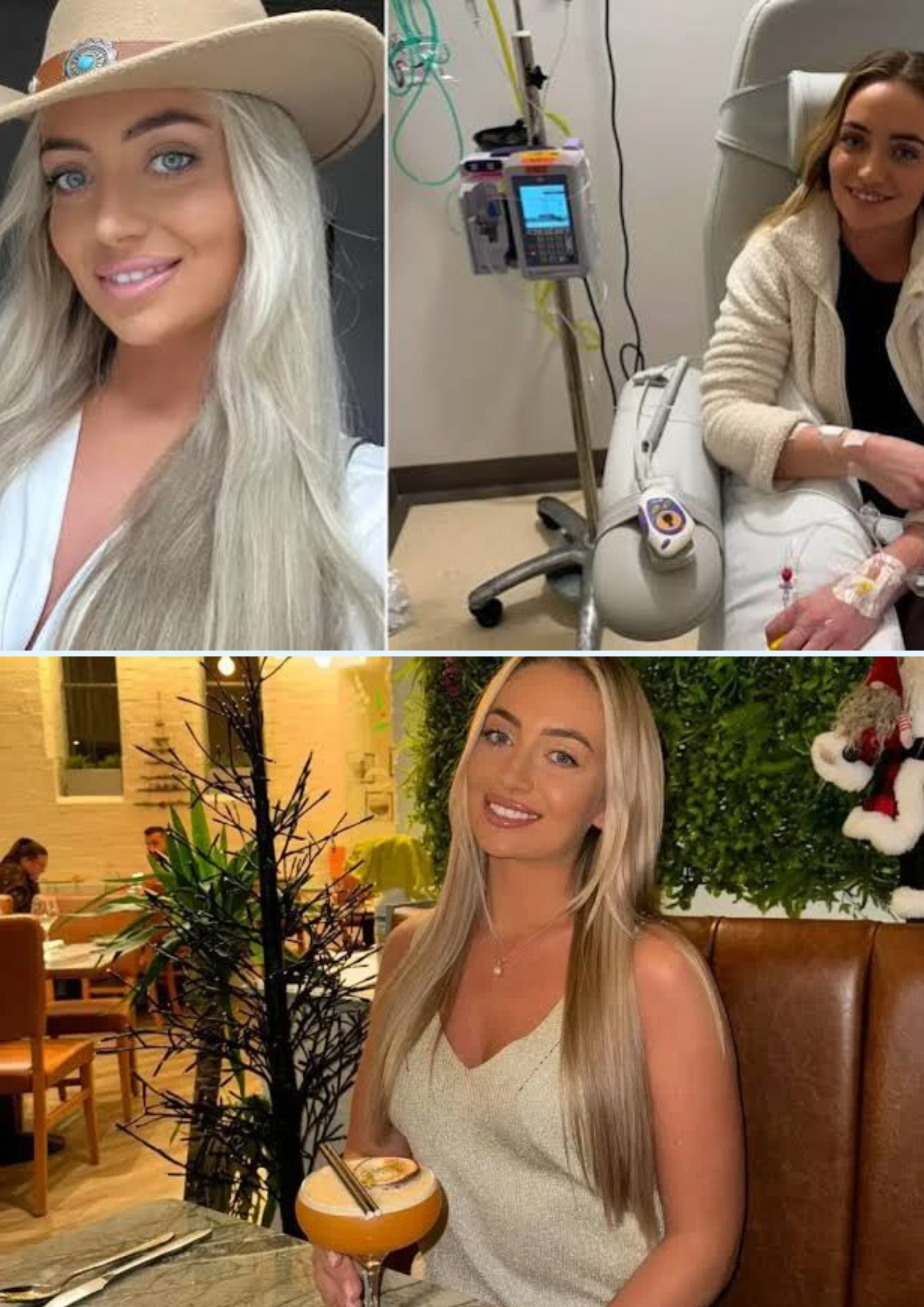
“SHE WAS ONLY 30”: CHELSEA TANTUM’S FINAL MESSAGE AFTER A DEVASTATING CANCER JOURNEY
She began using sunbeds as a teenager, believing a tan was simply part of growing up. Years later, Chelsea Tantum faced an advanced melanoma diagnosis that changed everything. Before her 30th birthday, the cancer had spread to her brain. Her story became a powerful warning she hoped would help others.
Chelsea Tantum, from Manchester, was just 28 when she received a melanoma diagnosis that would turn her world upside down.
Like many young people, she had not imagined that a habit she started as a teenager could become such a serious concern. Chelsea later shared that she began using sunbeds at around 15 and that she and her friends would compete to see who could achieve the best tan.
But what followed was a long and difficult medical journey — one that Chelsea chose to share publicly in the hope that others would take skin changes seriously and understand the risks associated with artificial tanning.
 A DIAGNOSIS THAT CHANGED HER LIFE
When Chelsea was diagnosed, her melanoma had already reached stage 3C. She underwent surgery to remove the original melanoma and affected lymph nodes.
Despite treatment, the disease progressed and was later classified as stage 4C, with cancer found in several parts of her body, including her spine, ribs, pelvis, femurs, lungs, liver, spleen and breast.
She underwent immunotherapy and endured repeated hospital admissions. At one point, the physical effects of her illness left her unable to walk independently, and she spent time in a wheelchair.
Then came a period of hope.
Chelsea said her scans showed a remarkable response to treatment, with no evidence of disease in the areas previously being monitored. As she approached her 30th birthday, she hoped she might finally hear the news she had been waiting for.
Instead, she learned that the melanoma had spread to her brain.
Her condition was then classified as stage 4D. She prepared to undergo stereotactic radiosurgery, a highly focused form of radiation treatment, while continuing to raise awareness about the disease.
 WHY SHE CHOSE TO SHARE HER STORY
Chelsea did not want her experience to be remembered only as a personal tragedy.
Through a fundraising page for Melanoma Focus, she explained that she had once believed melanoma was simply skin cancer. Her diagnosis taught her how serious the disease could become when it spread beyond the skin.
She hoped that sharing her experience would encourage people to pay attention to unusual moles or changes in their skin, seek medical advice when something looked different and reconsider the risks of using sunbeds.
Her fundraiser raised £4,210, with an additional £806.25 in Gift Aid recorded on the page.
The campaign supported Melanoma Focus, a UK charity that provides information and support for people affected by melanoma and funds research into the disease.
A WARNING ABOUT SUNBEDS
Chelsea’s story has also drawn attention to the risks associated with ultraviolet radiation from artificial tanning devices.
Sunbeds expose the skin to UV radiation, which can damage skin cells and increase the risk of skin cancer. The risk is especially concerning when use begins at a young age.
In May 2026, the UK government announced a consultation on proposed stronger protections for young people, including mandatory identity checks and staff supervision at commercial sunbed facilities in England. The announcement was part of a wider effort to reduce preventable cancer risks.
Chelsea’s experience does not mean every sunbed user will develop melanoma, but it illustrates why health professionals warn against treating artificial tanning as harmless.
REMEMBERING CHELSEA
Chelsea died on September 30, 2026, aged 30.
Her story has left friends, loved ones and people who followed her journey reflecting on the years she should have had ahead of her.
A friend, Claire Louise, paid tribute to Chelsea’s strength and the way she faced the challenges of her illness, writing that she did not know anyone else who could have carried so much with such dignity, grace and strength.
The words that captured the heartbreak were simple: “30 years was nowhere near enough, Chelsea.”
Her funeral was scheduled for October 23 at Albion Church in Ashton, followed by a committal at Dukinfield Crematorium.
Chelsea’s life cannot be reduced to her diagnosis or the habit she spoke openly about. She was a young woman who endured an extraordinarily difficult journey and chose to use her experience to help others understand a disease that can have devastating consequences.
Her message remains clear: take changes in your skin seriously, seek medical advice when concerned, and understand the risks before using sunbeds.
If sharing her story encourages even one person to seek an early assessment or reconsider artificial tanning, the awareness she worked so hard to raise may continue to make a difference.