LUCY LETBY CASE TAKES ANOTHER TURN — TWO EXPERTS WITHDRAW AS QUESTIONS OVER MEDICAL EVIDENCE CONTINUE
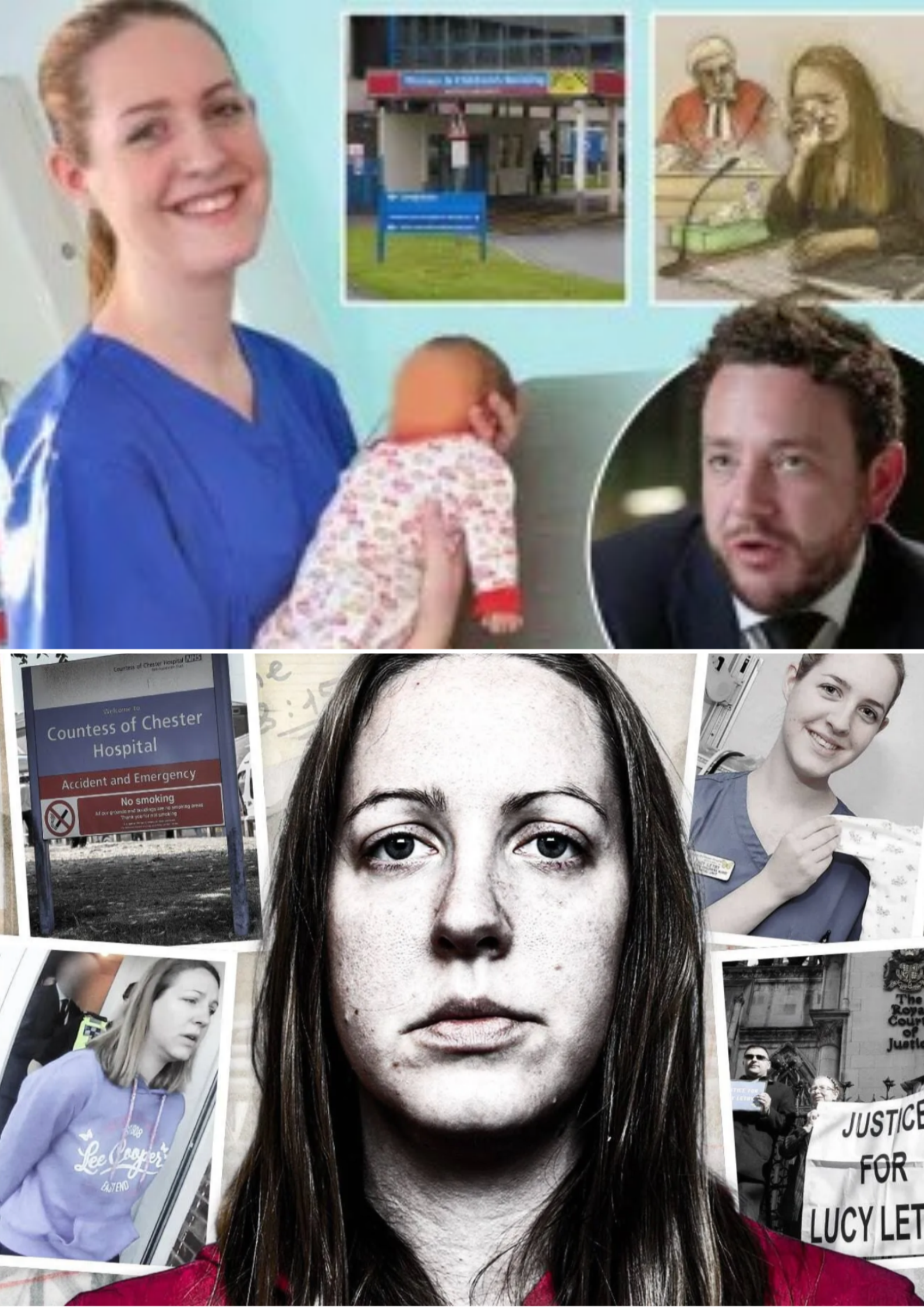
LUCY LETBY CASE TAKES ANOTHER TURN — TWO EXPERTS WITHDRAW AS QUESTIONS OVER MEDICAL EVIDENCE CONTINUE
She is serving 15 whole-life sentences, but the debate surrounding one of Britain’s most notorious criminal cases continues. New scrutiny of medical records, a damning hospital inquiry and the withdrawal of two defense experts have renewed questions about the evidence — without changing Letby’s convictions.
The case of former neonatal nurse Lucy Letby has entered another closely watched chapter, as questions about medical evidence and hospital management continue to attract public attention.
Letby was convicted of murdering seven babies and attempting to murder seven others at the Countess of Chester Hospital in England. She maintains her innocence and is serving 15 whole-life sentences.
But developments in 2026 have brought renewed attention to the evidence presented during her trials — including questions about medical records and the role of expert witnesses.
 TWO EXPERTS WITHDRAW FROM THE DEFENSE TEAM
In September 2026, engineering expert Helen Shannon and bioengineering professor Geoff Chase withdrew from Letby’s defense team.
According to reporting by ITV News and The Guardian, the pair raised concerns about some arguments being advanced on her behalf, saying they could not support claims they considered scientifically unreliable.
However, they did not withdraw every aspect of their previous work. They continued to stand by their assessment that it was very unlikely two babies had been poisoned with insulin, as alleged in the relevant cases.
Letby’s lawyer, Mark McDonald, maintained that the experts’ departure did not undermine the wider effort to challenge her convictions.
Their withdrawal has therefore raised further questions about the competing scientific interpretations in the case, but it does not, by itself, establish whether Letby was wrongly convicted.
 MEDICAL RECORDS UNDER FRESH SCRUTINY
In July 2026, a BBC investigation reported that maternity records for babies involved in the case had been seized by police but were not reviewed by the prosecution’s chief medical expert or disclosed to the defense before trial.
The records included information about pregnancy, labor and delivery — details that some specialists argue may be important when determining why a newborn became critically ill.
The issue has prompted renewed discussion about whether all relevant medical information was considered adequately.
There are competing views, however. The prosecution’s chief medical expert said he had reviewed summaries in the neonatal records and did not believe the additional maternity notes would have changed his understanding of the cases.
The disclosure raises questions about the handling of evidence. Whether the records would have materially affected the verdicts remains a matter of dispute.
WHAT THE HOSPITAL INQUIRY ACTUALLY FOUND
The Thirlwall Inquiry published its report on September 15, 2026, identifying serious failures in management, governance and safeguarding at the hospital.
The inquiry found that senior leaders failed to respond appropriately to doctors’ concerns and that there were prolonged delays in contacting police. It also highlighted failures to keep families properly informed and shortcomings in the hospital’s internal reviews.
Those findings exposed major problems in how concerns about babies’ safety were handled.
But there is an important distinction: the inquiry examined hospital conduct and safeguarding failures; it was not a fresh criminal trial or an appeal against Letby’s convictions.
Its findings do not independently prove that the convictions were either correct or incorrect.
COULD THE CONVICTIONS BE REVIEWED?
The Criminal Cases Review Commission, the independent body responsible for investigating potential miscarriages of justice in England, Wales and Northern Ireland, confirmed in February 2026 that it was reviewing Letby’s case.
The commission examines whether new evidence or arguments create a real possibility that a conviction would not be upheld if referred back to the courts.
The review is not a declaration of innocence, and the commission does not itself decide guilt or innocence. As of the latest reports cited here, Letby’s convictions remain in force.
The outcome will depend on the evidence and the commission’s assessment, rather than speculation about what might have been overlooked.
THE QUESTION THAT REMAINS
For some observers, the latest developments strengthen the case for examining the medical evidence and legal process as thoroughly as possible. Others point to the jury verdicts and the courts’ previous refusal to grant permission to appeal.
The public deserves a careful examination of legitimate questions, while the families affected by the deaths and collapses of the babies deserve accuracy and respect.
Was every relevant piece of medical evidence properly considered? Could further independent scrutiny change the legal picture? Those are questions for the appropriate review and judicial processes to address.
For now, no new ruling has overturned Letby’s convictions, and the CCRC’s review remains an important next step in a case where the consequences of getting the facts wrong would be profound.