🚨 CHRISTА PIKE SURVIVED TENNESSEE’S EXECUTION — SHE’S WALKING AGAIN, BUT A DISTURBING NEW QUESTION HAS EMERGED
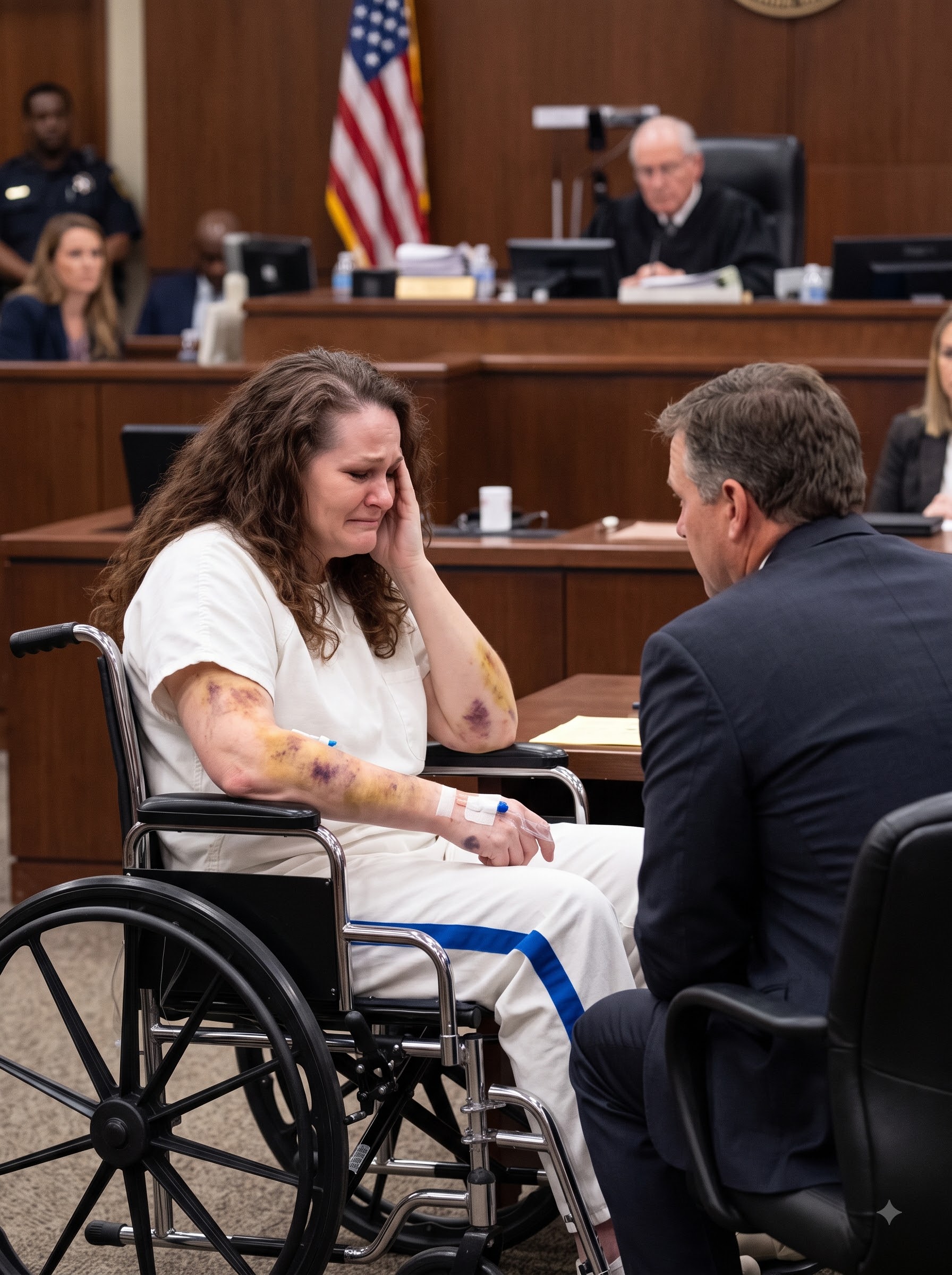
🚨 CHRISTА PIKE SURVIVED TENNESSEE’S EXECUTION — SHE’S WALKING AGAIN, BUT A DISTURBING NEW QUESTION HAS EMERGED
SEO Title: Christa Pike Walks Again After Failed Execution as Tennessee Faces New Questions
Meta Description: Christa Pike survived two doses of execution drugs, regained consciousness and returned to prison. New questions about the failed execution are intensifying the legal battle.
She was supposed to die in Tennessee’s execution chamber.
Instead, Christa Pike survived two doses of lethal-injection drugs, woke up in a hospital and began the difficult process of recovering from an execution attempt that went terribly wrong.
Now, her lawyers are demanding answers — and newly reported details about the emergency response have raised another troubling question: What happened in the minutes after officials realized Pike was still alive?
From a Life-Threatening Crisis to Walking Again
On September 30, 2026, Tennessee attempted to execute Pike, 50, by lethal injection for the 1995 murder of her classmate, 19-year-old Colleen Slemmer.
After receiving two doses of pentobarbital, Pike remained alive and required emergency medical treatment. She was hospitalized and placed on a ventilator. At one point, her attorneys said they feared she might not survive.
Then came an unexpected turn.
Pike regained consciousness and began speaking. Her attorneys later reported that she was walking with assistance, eating a regular diet and gradually regaining movement in her arms and hands. But physical recovery did not mean the ordeal was over. Her legal team also described continuing problems with concentration and memory, as well as painful injuries around the injection sites. The long-term effects remained uncertain. <Cite refs={[“turn375127search0″,”turn375127search3”]}/>
On October 10, Pike was discharged from the hospital and returned to the Debra K. Johnson Rehabilitation Center in Nashville, where she had been held for decades. She continues to receive medical care while incarcerated. <Cite refs={[“turn375127news6″,”turn375127search2”]}/>
New Questions About the Emergency Response
The controversy took another turn when The Associated Press reported on October 12 that 911 recordings showed confusion and delays as emergency responders tried to verify a request for assistance after the failed execution.
According to the report, the first call came at approximately 8:40 p.m. on September 30. Dispatchers were unable to verify the request immediately, and one dispatcher later said the call had been treated as false. Officials confirmed the request was legitimate at around 9:11 p.m., according to the recordings described by AP. <Cite refs={[“turn375127news5”]}/>
Those reported delays have added a new dimension to the questions surrounding the execution.
The recordings do not, by themselves, establish why the execution failed or determine individual responsibility. But they have intensified scrutiny of how prison officials and emergency responders handled a medical crisis inside the execution facility.
What Went Wrong Inside the Execution Chamber?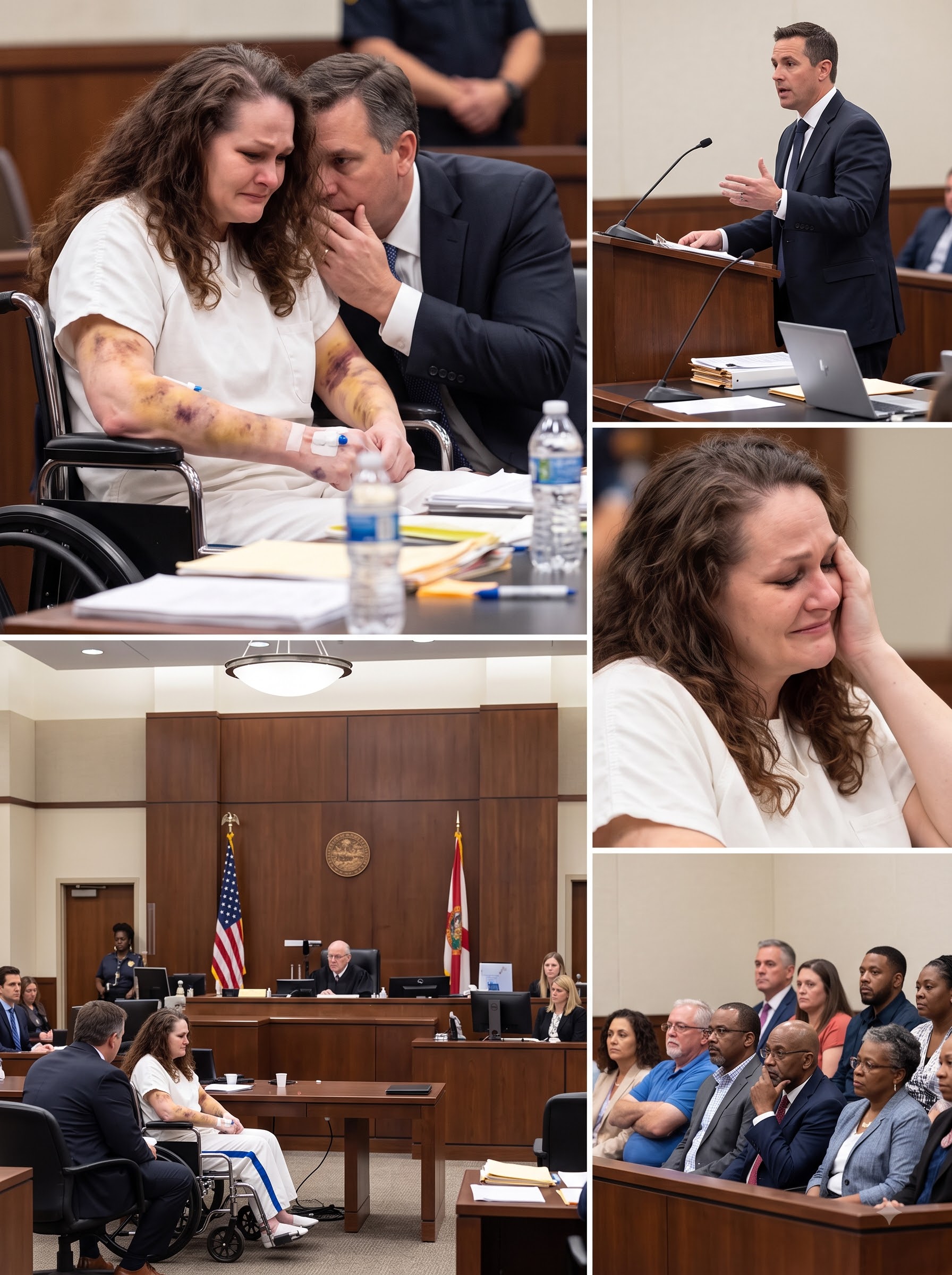
Pike’s attorneys have raised concerns about the intravenous lines used to administer the drugs, alleging that problems with IV placement may have prevented the medication from being delivered as intended.
Those allegations have not been established as official findings. Tennessee officials have said the execution protocol was followed, while the state has ordered an independent review of the incident.
A judge has also ordered officials to preserve evidence connected to the execution, including drugs, IV equipment, medical supplies, recordings and written or electronic communications. That evidence could become central to the legal dispute as Pike’s attorneys seek to determine exactly what happened. <Cite refs={[“turn375127search3″,”turn375127search4”]}/>
The stakes extend beyond one inmate. The failed procedure has raised questions about Tennessee’s lethal-injection practices, medical safeguards and the transparency of execution procedures.
Could Tennessee Attempt to Execute Her Again?
Pike’s survival has not automatically erased her conviction or death sentence. Her attorneys are seeking clemency, asking Governor Bill Lee to commute her sentence to life imprisonment without parole.
Lee has paused the state’s remaining scheduled executions for 2026 while the incident is reviewed. As of the latest reports, no new execution date for Pike had been announced. <Cite refs={[“turn375127search3″,”turn375127search4”]}/>
For now, Pike remains in prison as she continues recovering. Her lawyers are pursuing answers about the execution itself and the response that followed, while state officials face pressure to explain what happened.
The case has become more than a story about a failed procedure. It is now a legal and institutional test involving medical care, government accountability and the possibility of another execution attempt.
Christa Pike survived the drugs. She survived the hospital crisis. But the most consequential questions may still be unanswered: what failed inside the chamber, why was emergency assistance reportedly delayed, and what will Tennessee do next?