“SHE SURVIVED TENNESSEE’S FAILED EXECUTION — NOW THE QUESTIONS ARE GROWING”
“SHE SURVIVED TENNESSEE’S FAILED EXECUTION — NOW THE QUESTIONS ARE GROWING”
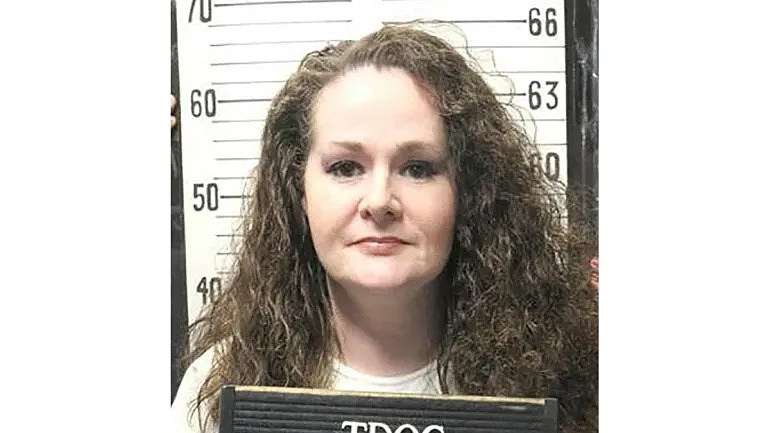
Christa Pike reportedly began walking with assistance after surviving two doses of an execution drug. She has since left hospital, but newly released emergency-call recordings have raised further questions about the response that night.
NASHVILLE, TENNESSEE — Christa Pike’s recovery has taken a remarkable turn since the failed attempt to carry out her death sentence on September 30. But while she has regained consciousness, begun speaking and reportedly taken her first steps with assistance, the circumstances surrounding the procedure remain under intense scrutiny.
Pike, 50, received two doses of pentobarbital at Riverbend Maximum Security Institution in Nashville. The injections did not end her life, and she was taken to hospital in critical condition with serious injuries to her arms, according to her lawyers.
After spending days unconscious and on a ventilator, Pike regained consciousness and began speaking. Her legal team later reported that she was walking with assistance and eating again, although the full extent of her long-term physical and psychological recovery remained uncertain.
 NEW 911 RECORDINGS RAISE QUESTIONS ABOUT THE RESPONSE
Fresh attention has focused on how long it took emergency responders to reach Pike after the procedure went wrong.
Recordings released in October indicate that dispatchers and prison staff struggled to verify the initial calls for medical assistance. The first emergency call was made at approximately 8:40 p.m., but responders were reportedly delayed for around 30 minutes while officials sought confirmation that the emergency was genuine.
Pike’s attorney, Kelly Gleason, also contacted emergency dispatchers and stressed that Pike was still alive and needed immediate medical care. The recordings have intensified questions about communication, emergency planning and the response to an execution that did not proceed as expected.
The recordings do not, by themselves, establish who was responsible for each delay or resolve the broader questions about what happened inside the execution chamber.
WHAT WENT WRONG DURING THE PROCEDURE?
Pike’s lawyers have alleged that problems with the intravenous lines may have prevented the drug from entering her bloodstream as intended, potentially causing it to seep into the surrounding tissue. They have described severe swelling, burns and blisters on her arms.
That explanation remains an allegation from her legal team, not a final official finding. Tennessee officials initially said the state had followed its established execution protocol, while Governor Bill Lee ordered an independent review after the failed attempt. The state’s prison chief also resigned following the incident.
A Tennessee judge has ordered officials to preserve evidence connected to the procedure, including medical equipment, records and recordings. The order could prove important as Pike’s attorneys seek to establish exactly what happened and protect her legal rights.
 HER RECOVERY CONTINUES — BUT HER FUTURE REMAINS UNCERTAIN
Pike was discharged from hospital on October 10 and returned to the Debra K. Johnson Rehabilitation Center, where she will continue receiving medical care, according to her attorneys. Her discharge does not mean that her recovery is complete, and the long-term effects of the ordeal remain unclear.
Her legal team has also argued that she should not be subjected to another execution attempt and has indicated it will seek a commutation of her sentence to life imprisonment without parole.
Governor Lee has suspended executions in Tennessee for the remainder of 2026 while the review proceeds. As of the latest reports, officials had not publicly resolved the central questions surrounding the failed procedure or announced whether another attempt would be made.
Pike was sentenced to death for the 1995 killing of 19-year-old Colleen Slemmer. Her conviction remains in place; the scrutiny now surrounding the execution procedure is a separate matter from that conviction.
For now, Pike’s reported progress offers one part of the story. The other is whether the investigation will provide a clear account of the procedure, the medical emergency and the delay in getting help to her.
What do you think should happen next? Should the independent review make its findings public in full?
Sources