“NEW QUESTIONS, BUT NO CONVICTIONS OVERTURNED”: LUCY LETBY CASE FACES FRESH SCRUTINY
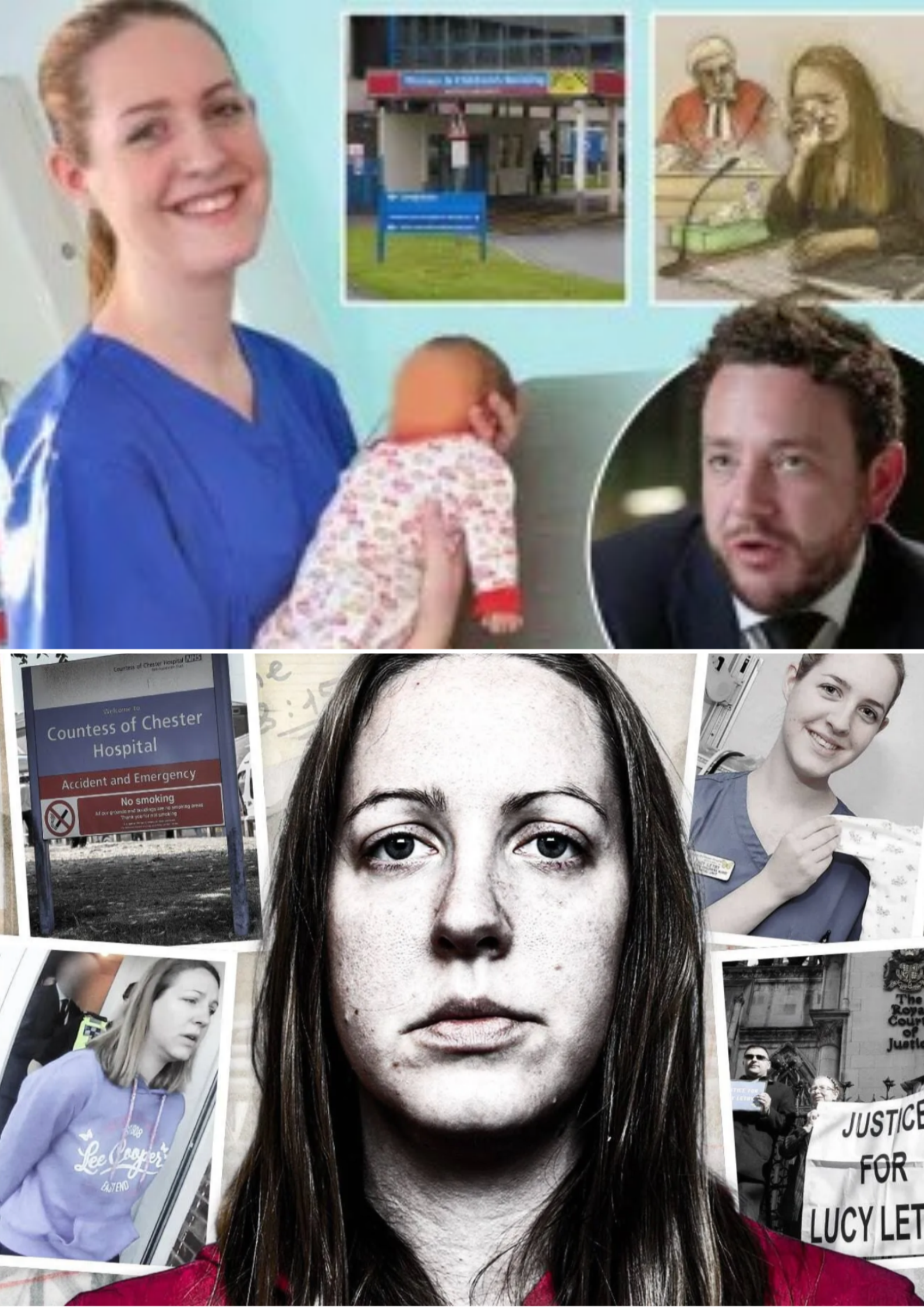
“NEW QUESTIONS, BUT NO CONVICTIONS OVERTURNED”: LUCY LETBY CASE FACES FRESH SCRUTINY
A new wave of scrutiny has placed the former neonatal nurse’s case back in the spotlight. Questions about undisclosed maternity records, disputed medical evidence and hospital failures are intensifying — but claims of a secret leaked file triggering mass protests and an imminent collapse of the verdict need to be treated with caution.
Lucy Letby remains one of the most closely scrutinised figures in Britain’s criminal justice system. The former neonatal nurse is serving 15 whole-life prison terms after being convicted of murdering seven babies and attempting to murder seven others at the Countess of Chester Hospital in 2015 and 2016.
Letby continues to deny the allegations, while her legal team argues that concerns about the medical evidence deserve further examination.
Recent developments have renewed public debate over the case. However, there is an important distinction between evidence that raises questions about the original investigation and a legal decision that overturns a conviction.
 MATERNITY RECORDS RAISE NEW QUESTIONS
In July 2026, a BBC investigation reported that maternity notes relating to babies in Letby’s cases had been seized by police but were not reviewed by the prosecution’s chief medical expert or disclosed to the defence before trial, despite a defence request.
The records included information about pregnancy, labour and delivery — details medical specialists say can be important when investigating why a newborn became critically ill.
Professor Phil Bennett, an obstetrics and gynaecology specialist who reviewed one of the cases, argued that maternity and neonatal care should be considered together when assessing a baby’s collapse.
The prosecution’s former medical expert, Dr Dewi Evans, said he had not seen the full obstetric notes but maintained that the available summaries were sufficient and that the missing records would not have changed his conclusions.
The disagreement highlights a central issue in the continuing debate: whether all relevant medical information was adequately considered when the evidence was interpreted.
The existence of these questions does not, by itself, establish that the convictions were unsafe. Their significance will depend on the evidence and how the relevant legal bodies assess it.
 THE CRIMINAL CASES REVIEW COMMISSION IS EXAMINING HER CONVICTIONS
Letby’s application is being reviewed by the Criminal Cases Review Commission (CCRC), the independent body that investigates potential miscarriages of justice and can refer cases back to an appeal court.
In February 2026, the commission confirmed that it had received further submissions and expert reports and that its review remained underway.
The CCRC has stressed that it does not decide guilt or innocence. Its role is to determine whether there is a real possibility that a conviction would not be upheld if referred to the courts.
As of the latest confirmed public update in the sources reviewed for this article, the commission had not announced a referral that overturned Letby’s convictions.
EXPERTS HAVE ALSO DISAGREED ABOUT THE DEFENCE CASE
The debate over Letby’s convictions has involved specialists who disagree about the medical evidence and the explanations for the babies’ sudden collapses.
In September 2026, The Guardian reported that two scientists withdrew from Letby’s defence team because they had concerns about the scientific credibility of some arguments being advanced to challenge the convictions.
Their withdrawal did not mean that every concern about the prosecution evidence had been resolved. Equally, it would be misleading to suggest that all experts agree the convictions should be overturned.
The case remains the subject of competing interpretations, and claims about individual pieces of evidence need to be assessed in context rather than treated as proof of a predetermined conclusion.
WHAT DID THE THIRLWALL INQUIRY FIND?
The Thirlwall Inquiry published its report on September 15, 2026, examining events at the Countess of Chester Hospital and the institutional response to concerns about the neonatal unit.
The inquiry identified serious failures in hospital leadership and safeguarding, including missed opportunities to respond effectively when concerns were raised about the babies’ deaths and collapses.
Those findings are significant for understanding how the hospital handled the crisis and how families were treated.
However, the inquiry was established to examine the events and institutional failures surrounding the case. It was not an appeal court and did not overturn Letby’s criminal convictions.
The inquiry’s findings therefore need to be distinguished from the separate legal process examining whether the convictions should be referred back to the courts.
IS A SECRET FILE ABOUT TO DESTROY THE VERDICT?
Dramatic claims circulating online have suggested that a classified file leaked by a powerful medical organisation is about to dismantle the entire case against Letby.
The publicly documented developments described above do not establish that claim. They concern maternity records, expert disagreements, the hospital inquiry and the ongoing CCRC review — not a confirmed secret file that has already changed the legal status of her convictions.
Likewise, the available sources do not substantiate the claim that thousands of people and medical professionals have flooded the streets demanding her immediate release.
The distinction matters. In a case involving bereaved families, a convicted defendant and disputed medical evidence, unverified claims can easily be mistaken for established facts.
WHAT HAPPENS NEXT?
The CCRC’s review remains a key development to watch. If the commission eventually refers the case to an appeal court, that would open another stage of legal scrutiny — but a referral would not automatically mean the convictions had been overturned.
For now, Letby remains imprisoned, her convictions remain in force, and her legal challenge continues.
The questions surrounding the maternity records and the interpretation of the medical evidence deserve careful examination. The answers, however, must come through evidence and the legal process rather than predictions about a dramatic courtroom reversal.
The next major development will be what the review process actually concludes — not what viral headlines claim it has already proved.
READ THE FULL STORY IN THE COMMENTS.