BREAKING: New Juror Controversy Rocks Lindsay Clancy Case — Could the Murder Trial Happen Again?
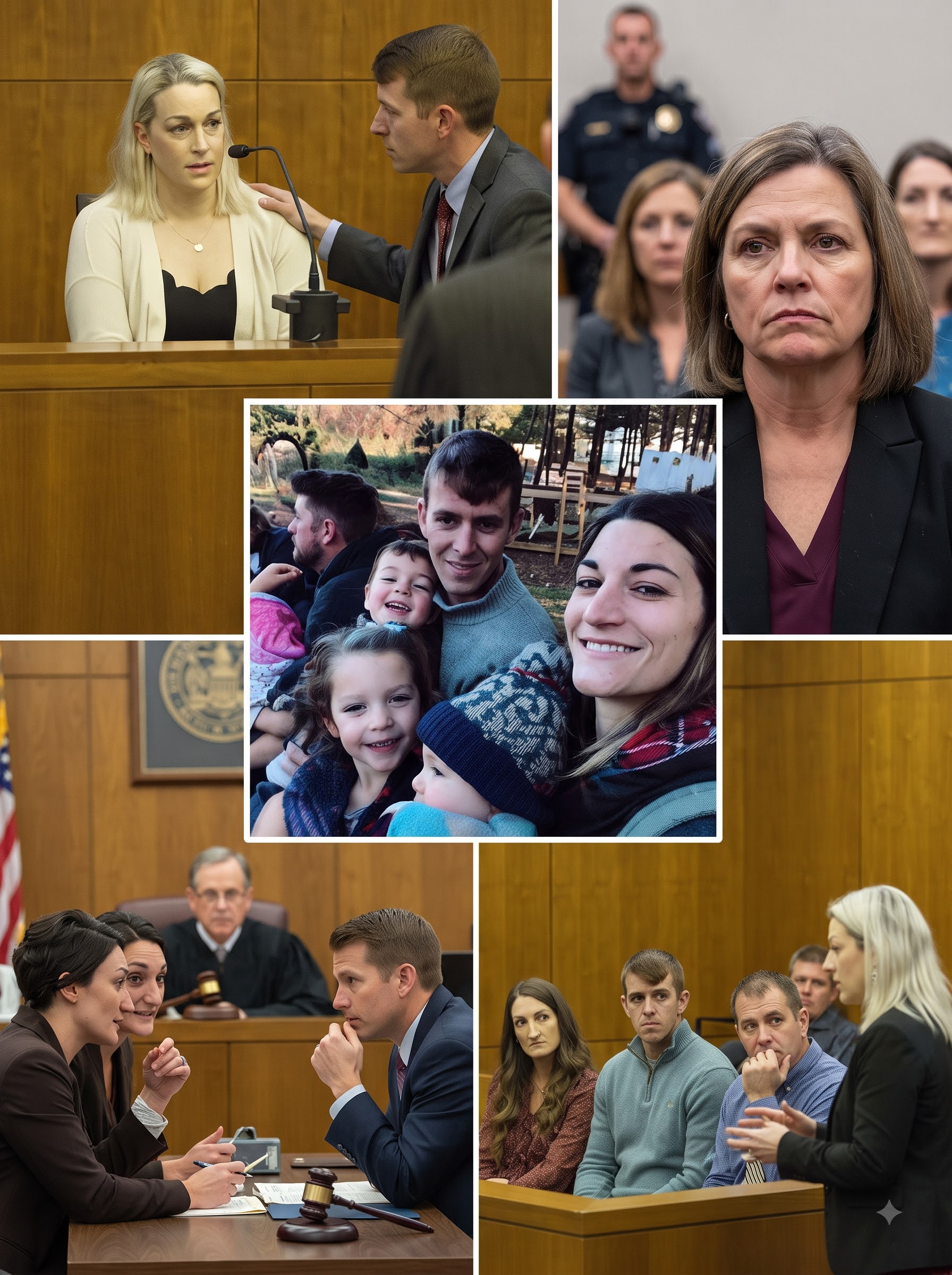
BREAKING: New Juror Controversy Rocks Lindsay Clancy Case — Could the Murder Trial Happen Again?
One juror stood against 11 others. The trial ended without a verdict. Now, fresh allegations about that juror’s background and his first public interview are putting Lindsay Clancy’s legal battle back in the spotlight.
The case against Lindsay Clancy, the Massachusetts mother accused of killing her three young children, has entered another tense chapter following a dramatic courtroom deadlock and renewed questions about the conduct of the lone juror who opposed acquittal.
On October 15, holdout juror Michael Desronvil spoke publicly for the first time since the trial ended in a mistrial. In an interview with Fox News, he explained that he believed Clancy was guilty, saying her actions appeared methodical and that he did not have reasonable doubt about her criminal responsibility. <Cite refs={[“turn285537news18″,”turn285537news19”]}/>
His comments came as Clancy’s defense team continued challenging aspects of his jury service, including questions about his background and whether he properly answered the court’s screening questions.
The developments have intensified an already contentious legal dispute. But one crucial question remains unanswered: Will prosecutors attempt to try Clancy again, or could the fight over the jury lead to further legal complications?
The 11–1 Split That Brought the Trial to a Halt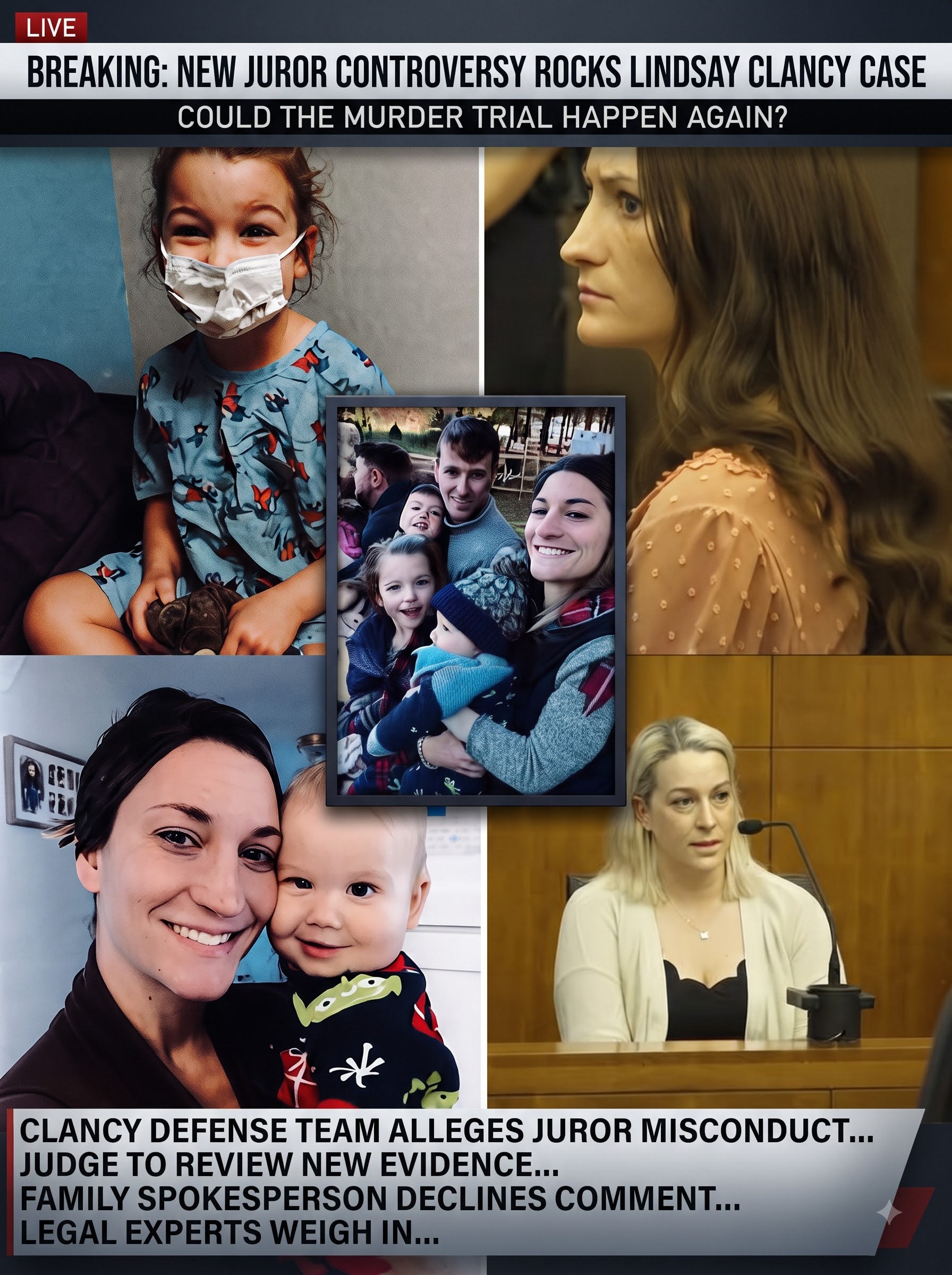
Clancy’s five-week murder trial ended on September 4, 2026, after jurors spent approximately 38 hours deliberating over seven days without reaching a unanimous verdict.
The jury was reportedly split 11–1 in favor of finding Clancy not criminally responsible because of her insanity defense. Desronvil was the lone juror who continued to believe that the prosecution had established her criminal responsibility.
The disagreement proved impossible to resolve, and Judge William Sullivan declared a mistrial. <Cite refs={[“turn285537search2″,”turn285537news19”]}/>
The outcome left the case unresolved more than three years after the deaths of Clancy’s children: five-year-old Cora, three-year-old Dawson and eight-month-old Callan.
Clancy has acknowledged killing her children but pleaded not guilty by reason of insanity. Her defense argued that she was experiencing postpartum psychosis when the killings occurred in January 2023.
Prosecutors disputed that explanation, arguing that her actions demonstrated planning and that she understood what she was doing.
The jury’s deadlock meant neither side secured a unanimous verdict on the central question of criminal responsibility.
The Holdout Juror Finally Explains His Position
In his October 15 interview, Desronvil said his decision was based on the evidence presented during the trial.
He described Clancy’s actions as methodical and said he believed she understood what she was doing. He also emphasized that his attention remained on the three children who died.
Desronvil rejected the defense’s argument that postpartum psychosis prevented Clancy from being held criminally responsible. He said he had no reasonable doubt about his position, although he did not disclose every specific piece of evidence that influenced his decision. <Cite refs={[“turn285537news18″,”turn285537news20”]}/>
His account provides a clearer picture of why one juror reached a different conclusion from the other 11.
However, his interview is his own account of the deliberations. It does not resolve the legal questions raised by the defense or establish that the jury process was free from error.
The other jurors’ views, the evidence presented in court and the judge’s instructions remain important parts of understanding why the panel could not reach a unanimous decision.
Why the Defense Is Questioning the Juror’s Background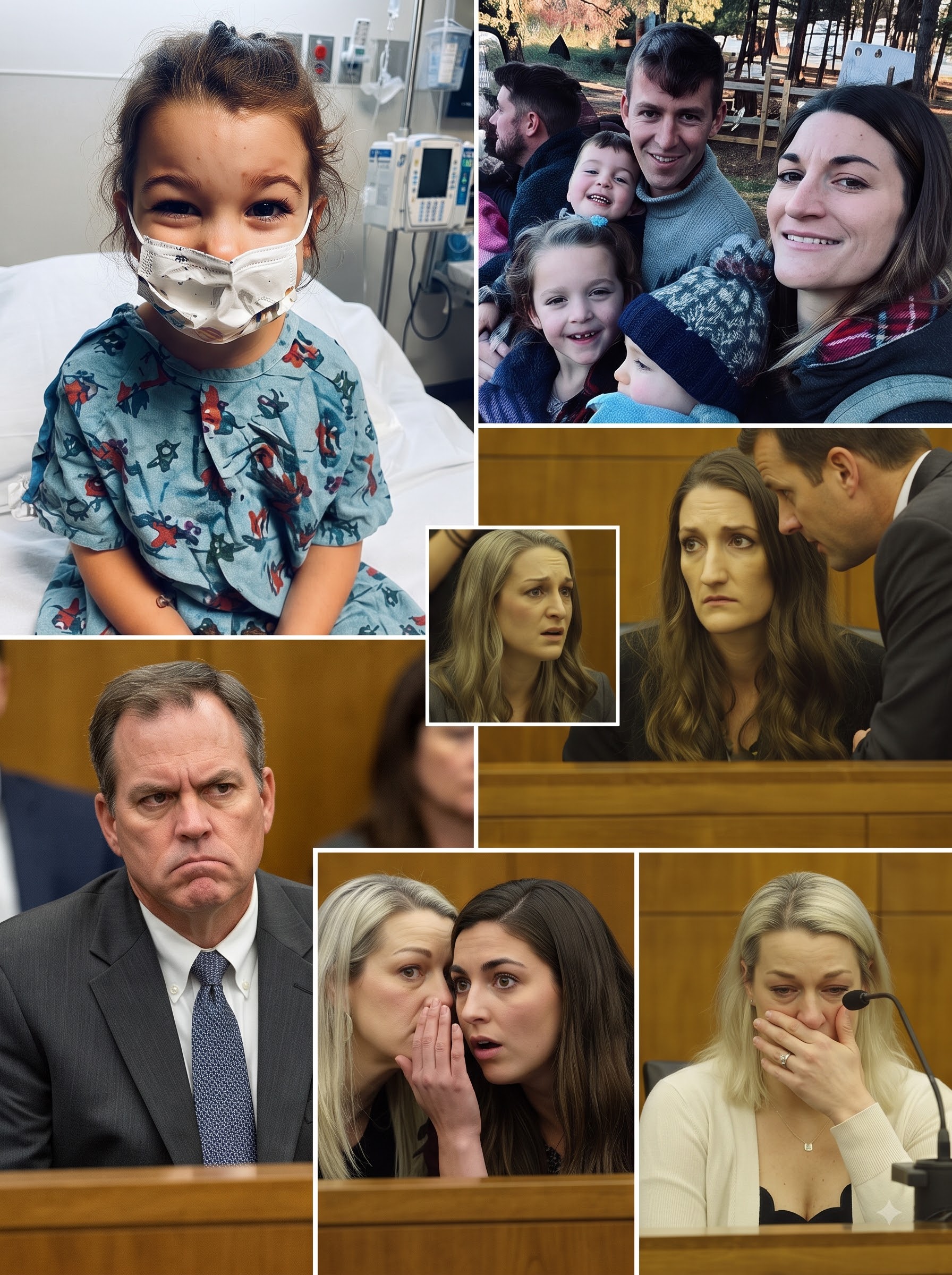
The controversy extends beyond the disagreement inside the jury room.
Clancy’s attorney, Kevin Reddington, has asked the court to examine allegations concerning Desronvil’s background, including a history of domestic violence allegations and a civil restraining order that was reportedly active when he was selected for jury service.
The defense has also sought access to his confidential juror questionnaire and records that could help establish whether he answered screening questions accurately.
In a separate area of concern, the defense has raised questions about whether Desronvil used his cellphone during deliberations and whether his conduct complied with the court’s instructions. These remain allegations and have not been established as proof of misconduct. <Cite refs={[“turn285537search0″,”turn285537search3″,”turn285537news23”]}/>
Desronvil has denied allegations that he was biased or dishonest during jury selection. He has maintained that he answered questions truthfully and based his decision on the evidence.
The court must determine whether any of the issues raised by the defense warrant further examination and, if so, whether they have legal significance.
A juror’s personal history does not automatically invalidate a trial. The relevant questions include what was disclosed during jury selection, whether any information was improperly withheld and whether any proven issue affected the fairness of the proceedings.
Could the Allegations Prevent a Second Trial?
This is now one of the most consequential questions in the case.
Clancy’s defense has argued that the circumstances surrounding the holdout juror and the deadlocked proceedings raise serious legal concerns. Her attorneys have also invoked constitutional protections against double jeopardy in seeking to prevent another prosecution.
The legal issue is complex.
A mistrial caused by a genuinely deadlocked jury generally allows prosecutors to seek another trial. However, the defense is arguing that the circumstances of this particular case warrant additional judicial scrutiny before the prosecution can proceed again.
The court has not established that the juror’s conduct invalidated the trial, and the defense’s arguments do not automatically prevent a retrial.
On September 29, Judge Sullivan declined to grant a defense request to find Clancy not guilty because of insufficient evidence. He also postponed decisions on several outstanding motions while the parties continued preparing their arguments. <Cite refs={[“turn285537news5″,”turn285537news6″,”turn285537search1”]}/>
The outcome of the pending motions could shape the next stage of the proceedings, but the ultimate decision about whether to retry Clancy rests with prosecutors, subject to applicable legal requirements and court rulings.
What Prosecutors Could Do Next
Plymouth County District Attorney Timothy Cruz has not announced a final decision on whether to retry Clancy.
Prosecutors could pursue another trial on the original first-degree murder charges, consider a different set of charges where legally appropriate, or decide not to proceed with another trial.
Each option would involve different legal and practical considerations, including the evidence, the insanity defense and the possibility of another deadlocked jury.
The next major court hearing is scheduled for November 2, 2026, when the court is expected to address outstanding post-trial issues, including disputes involving the juror and the defense’s legal arguments. <Cite refs={[“turn285537news23″,”turn285537search1”]}/>
Until those matters are addressed, the future of the prosecution remains uncertain.
The Children Remain at the Center of the Case
While the legal dispute continues, the case remains rooted in the deaths of three young children.
Cora, Dawson and Callan died in January 2023 at the family’s Massachusetts home. Their deaths have prompted intense public debate about postpartum mental illness, the limits of the insanity defense and how the criminal justice system should evaluate a defendant’s mental state at the time of a crime.
Clancy’s former husband, Patrick Clancy, has publicly expressed forgiveness toward her, even as the legal process continues.
The trial’s outcome has also highlighted the difficulty of reconciling medical evidence, testimony about mental illness and the legal standard for criminal responsibility.
Those questions cannot be resolved by public opinion or a juror’s interview alone. They must be addressed through the evidence, applicable law and the court’s decisions.
What Happens Now?
The latest developments have placed two issues at the center of Lindsay Clancy’s case: whether the prosecution will attempt a second trial and whether the defense can establish grounds for further judicial review of the jury proceedings.
Desronvil’s public comments have explained his position, while the defense’s allegations have created another legal dispute that the court must evaluate.
Neither development, by itself, determines the final outcome.
For now, Clancy remains charged, the case remains unresolved and prosecutors have yet to announce whether they will seek another trial.
Could the juror controversy change the course of Lindsay Clancy’s case, or will the court ultimately allow prosecutors to pursue a second trial?
The answer may become clearer after the next hearing, but the legal fight is far from over.
SEO package
SEO title: Lindsay Clancy Case Update: Juror Controversy and Retrial
**Meta description: