“SHE’S STILL HERE, BUT WE CAN SEE HER SLIPPING AWAY” — MARTIN FRIZELL’S HEARTBREAKING UPDATE ON WIFE FIONA PHILLIPS
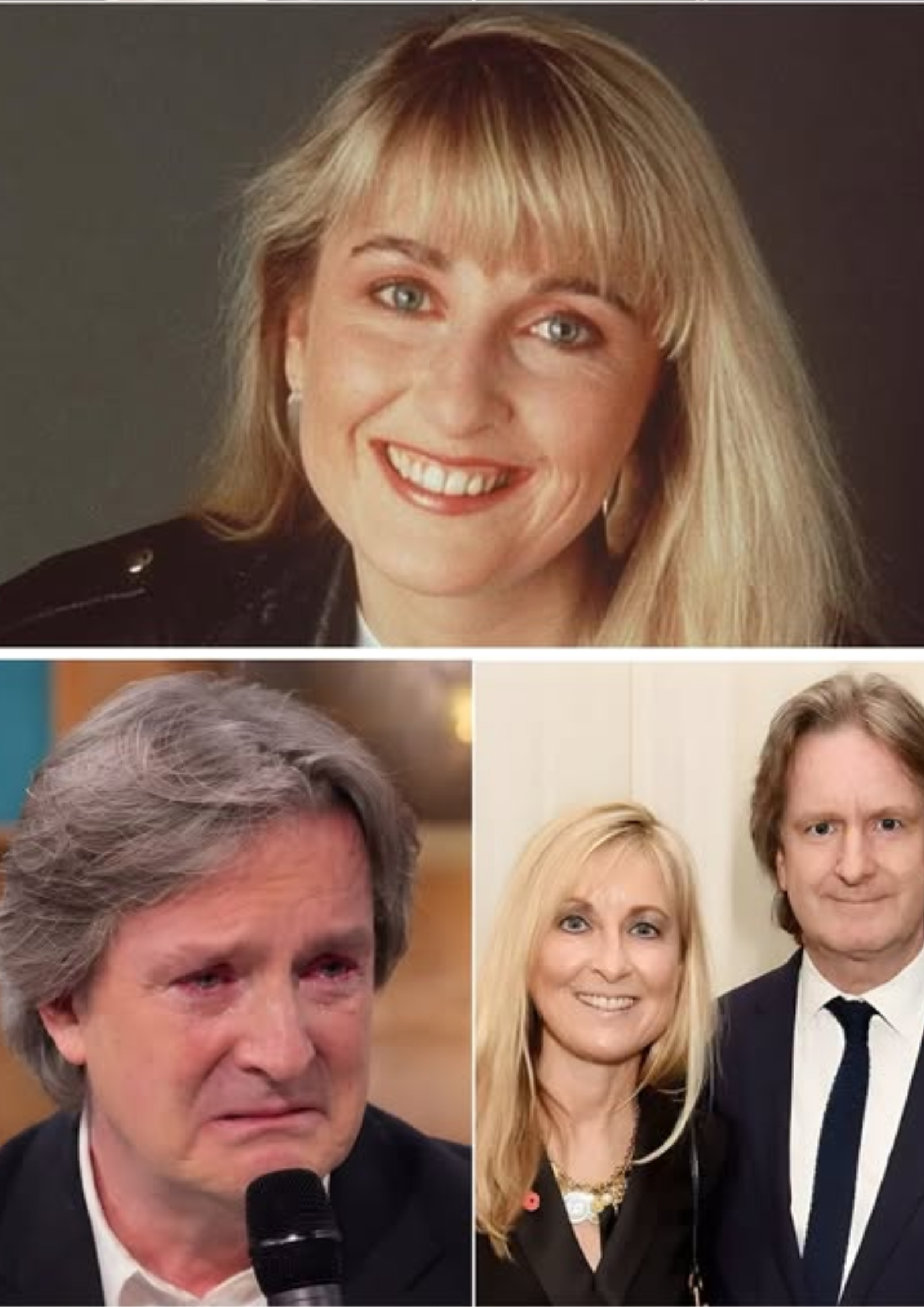
“SHE’S STILL HERE, BUT WE CAN SEE HER SLIPPING AWAY” — MARTIN FRIZELL’S HEARTBREAKING UPDATE ON WIFE FIONA PHILLIPS
The former GMTV presenter’s battle with early-onset Alzheimer’s has brought painful changes for her family, as her husband speaks candidly about the emotional toll of watching someone he loves live with the progressive disease.
For years, Fiona Phillips was a familiar and much-loved face on British television, bringing warmth and energy into the homes of millions of viewers.
Today, the former GMTV presenter is facing a very different chapter of her life.
Fiona was diagnosed with early-onset Alzheimer’s disease, a progressive condition that affects memory and thinking. She publicly revealed her diagnosis in 2023, explaining that symptoms she had initially associated with menopause were later identified as signs of the disease.
Since then, her husband, television producer Martin Frizell, has spoken honestly about the challenges their family faces as Fiona’s condition progresses.
 “IT’S WRETCHED” — A HUSBAND’S PAINFUL HONESTY
In February 2026, Martin shared an emotional update during an appearance on ITV’s Lorraine.
He explained that Fiona had stopped remembering significant occasions, including Christmas and New Year — moments that once formed part of their shared family life.
“It’s wretched; not just for her but for the family as well,” he said, describing the pain of seeing changes in the woman he has loved for decades.
Martin also acknowledged how difficult it was to watch Fiona’s familiar personality and independence affected by the illness. At the same time, he stressed that she remained very much present in their lives and should not be defined solely by her diagnosis.
His words offered a glimpse into the complicated reality of caring for someone with a progressive condition: love remains, even as everyday life changes.
 A FAMILY HISTORY THAT MADE THE DIAGNOSIS EVEN HARDER
Fiona’s diagnosis carried an additional emotional weight because both of her parents had also experienced Alzheimer’s disease.
Martin previously explained that the couple had undergone testing and were told Fiona’s condition was not genetic, although her family history could mean she was more predisposed to developing it.
The distinction matters. A family history can influence risk, but it does not automatically mean that a person’s illness is hereditary.
Martin has also called for greater investment in Alzheimer’s research, arguing that people affected by the disease and the families caring for them need more support.
THE CHALLENGE OF CARING FOR SOMEONE YOU LOVE
Martin has been open about the emotional impact of watching Fiona’s condition change. He has spoken about the strain on family life and his own efforts to cope while remaining by his wife’s side.
The couple, who married in 1997, have two sons. Their journey highlights how Alzheimer’s affects more than the person diagnosed: partners, children and other relatives may also have to adjust to uncertainty, changing responsibilities and the gradual loss of familiar routines.
For families in similar circumstances, every day can bring different challenges. Compassion, patience and access to appropriate support can make a meaningful difference.
WHAT IS KNOWN ABOUT THE LATEST CLAIMS?
Online posts have recently circulated claims that Martin broke down in tears after receiving new medical test results and that Fiona’s family was confronted with a new, devastating prognosis.
However, the reliable reports reviewed for this article do not confirm those specific claims. No new test result or sudden medical emergency should be presented as fact without credible reporting or a statement from the family.
What has been publicly documented is Martin’s account of the emotional toll of Fiona’s Alzheimer’s and the changes the family has been navigating.
A STORY OF LOVE THAT GOES BEYOND MEMORY
Fiona Phillips spent years reporting on other people’s lives and connecting with viewers across Britain. Now, her own story has helped bring attention to the realities of early-onset Alzheimer’s and the families who live with it.
Martin’s public comments reveal the pain of watching a loved one change, but they also reflect his determination to stand beside Fiona and speak up for greater understanding and research.
Alzheimer’s can alter memories, routines and relationships in profound ways. But a person’s worth is never defined by what they can remember.
As Fiona and her family continue facing this difficult journey, their story is a reminder to treat people living with dementia — and those who care for them — with patience, dignity and compassion.
What message of support would you share with Fiona and Martin? Please keep the conversation kind and respectful.
Sources
- The Independent — Martin Frizell shares an update on Fiona Phillips’ health
- The Independent — Martin Frizell discusses the emotional toll of Fiona’s Alzheimer’s
- ITV This Morning — Martin Frizell on life with Fiona Phillips and her Alzheimer’s diagnosis