“CHRISTa PIKE IS WALKING AGAIN — BUT HER RECOVERY IS FAR FROM OVER”
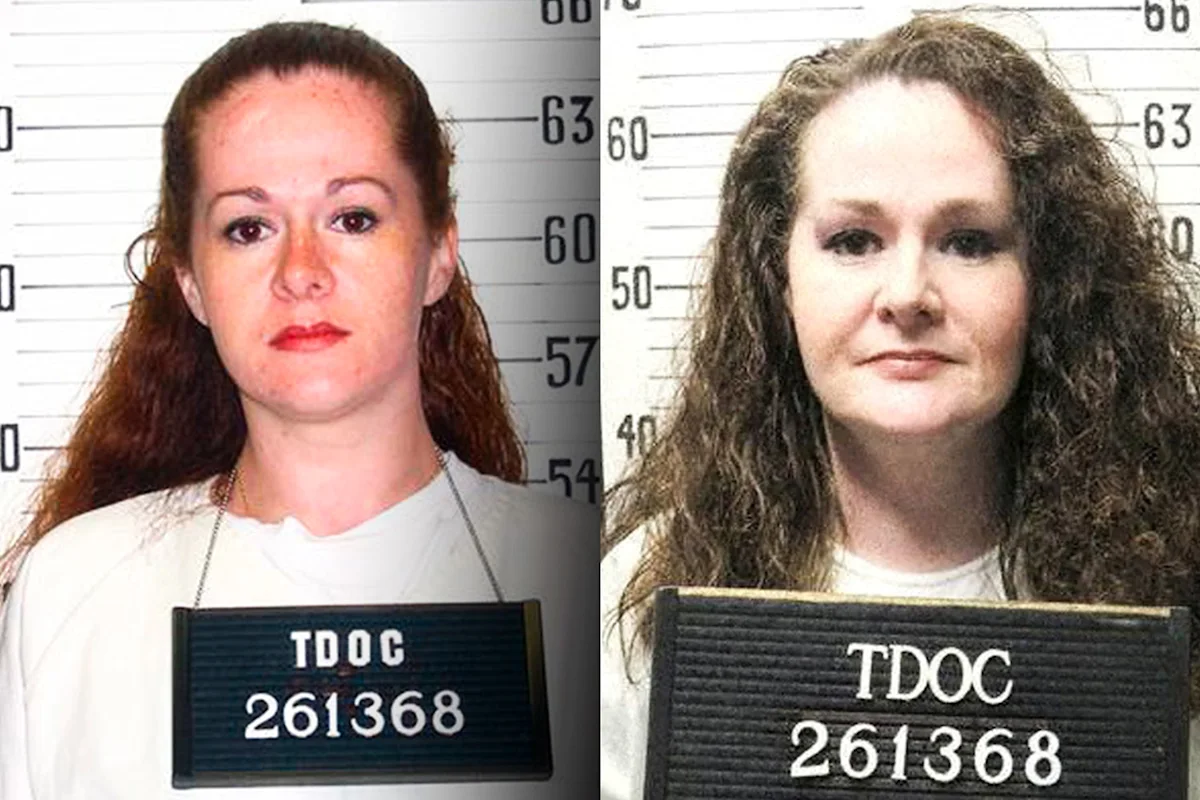
“CHRISTa PIKE IS WALKING AGAIN — BUT HER RECOVERY IS FAR FROM OVER”
After surviving Tennessee’s failed execution attempt, Christa Pike has made encouraging physical progress. But her attorneys say serious injuries and concerns about her memory and concentration remain as questions about the procedure continue.
Christa Pike has taken her first steps toward recovery after surviving a failed lethal-injection attempt in Tennessee, but her journey remains uncertain.
The 50-year-old death-row prisoner was subjected to two doses of pentobarbital on September 30, 2026, during an attempted execution at Riverbend Maximum Security Institution. Instead of dying, she was rushed to hospital in critical condition, where she remained unconscious and on a ventilator for several days.
Her attorneys later reported a remarkable change in her condition. Pike regained consciousness, began speaking and was able to walk with assistance. She also started eating again, offering some encouraging signs after doctors and lawyers had feared the worst.
 A recovery that initially seemed impossible
In the days following the failed procedure, Pike’s condition was so serious that her attorneys feared she might have suffered catastrophic brain damage.
On October 6, her legal team announced that she had regained consciousness and was speaking. The following day, her lawyers reported further physical progress, including her ability to stand and take limited steps around her hospital room.
But the progress came with important qualifications. Her attorneys said she remained mentally foggy and struggled with memory and concentration. They warned that it could take months to determine whether she had suffered permanent cognitive impairment.
 Severe injuries to her arms
Pike’s physical recovery has also been complicated by serious injuries to both arms.
According to court filings and statements from her attorneys, repeated attempts to establish intravenous access during the execution left her arms swollen, burned and blistered. Her lawyers believe the injuries may have occurred because the drug entered the surrounding tissue rather than flowing properly into her bloodstream.
The full medical explanation has not yet been established publicly. Pike’s attorneys have described significant pain and difficulty using her arms, including problems completing simple tasks.
Although her ability to walk and eat again represents progress, her legal team says the extent of any lasting damage remains unclear.
From hospital back to prison
On October 10, Pike was discharged from hospital and returned to the Debra K. Johnson Rehabilitation Center in Nashville, where she had been incarcerated for more than three decades.
Her attorneys said she would continue receiving medical care at the facility and that they would continue monitoring her recovery.
Being discharged did not mean she had fully recovered. Her lawyers stressed that the long-term effects of the failed execution were still uncertain, particularly concerning her cognitive function and the injuries to her arms. <Cite refs={[“turn631817news6″,”turn631817search2”]}/>
Questions about the failed execution remain
Pike’s improving condition is only one part of a case that has prompted renewed scrutiny of Tennessee’s execution procedures.
A judge has ordered state officials to preserve evidence connected to the September 30 attempt, including syringes, intravenous equipment, photographs, recordings, medical documentation and witness accounts.
The order is intended to ensure that relevant evidence remains available as Pike’s legal team examines what happened. Her attorneys have raised concerns about the procedure and the medical complications that followed.
Tennessee Governor Bill Lee has suspended scheduled executions for the remainder of 2026 while a review examines the failed attempt and a separate execution failure earlier in the year. State officials have not yet provided a complete public explanation of what went wrong in Pike’s case.
What happens next?
Pike’s recovery continues under medical supervision, while her attorneys seek answers about the procedure that left her critically ill.
For now, two things can be true at once: she has made notable physical progress, and the seriousness of her injuries and the possibility of lasting effects remain unresolved.
The investigation and evidence-preservation process may help clarify what happened during the execution attempt. Until further findings are available, however, the precise causes of the failure and the full extent of Pike’s long-term injuries remain uncertain.
Her ability to walk again marks an important development—but it does not mean the ordeal is over.
Sources