“I DON’T HAVE MUCH TIME LEFT” — THE CLAIM ABOUT SIR CHRIS HOY THAT FANS SHOULD CHECK BEFORE SHARING
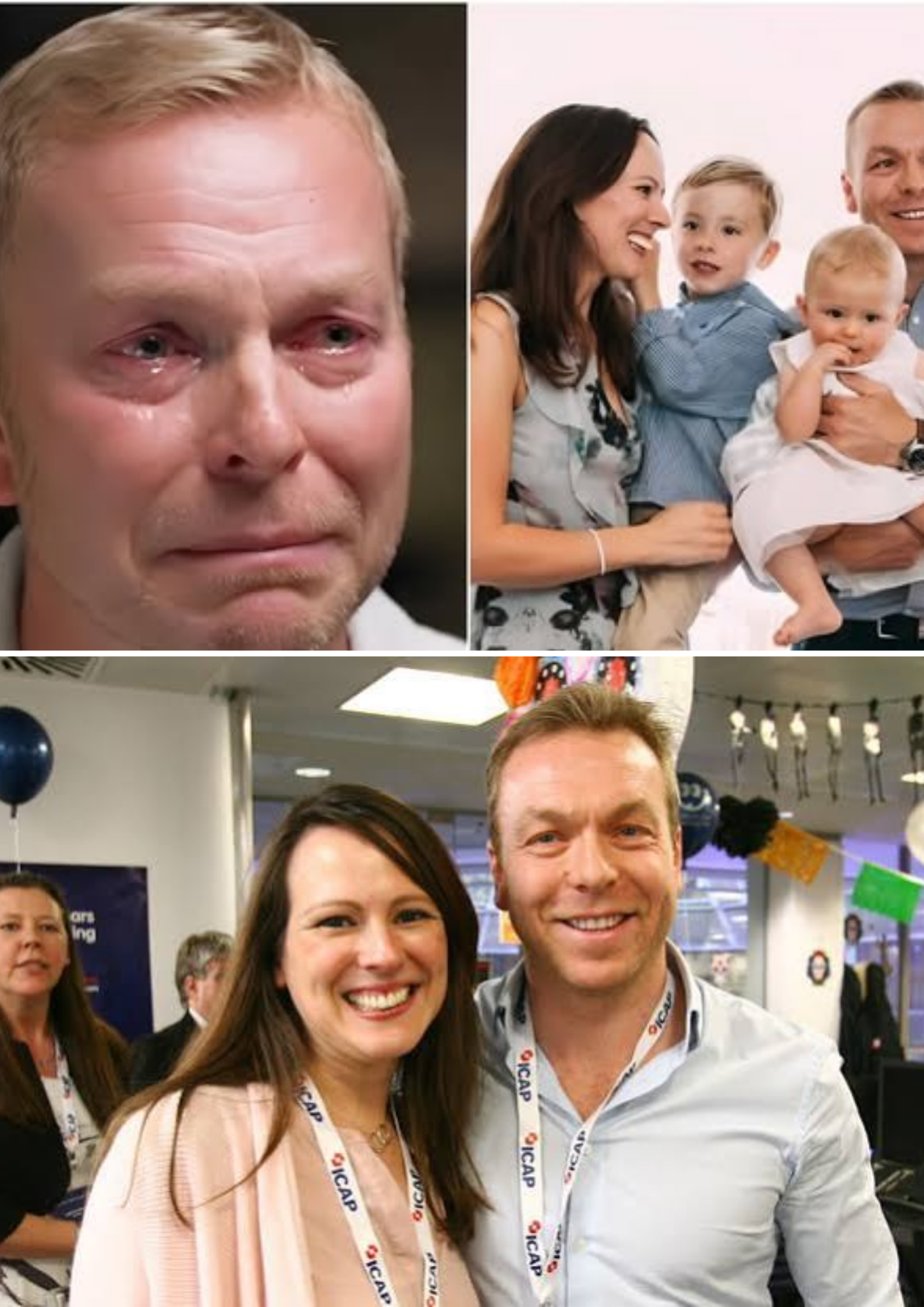
“I DON’T HAVE MUCH TIME LEFT” — THE CLAIM ABOUT SIR CHRIS HOY THAT FANS SHOULD CHECK BEFORE SHARING
The Olympic legend has spoken openly about living with stage four prostate cancer. But claims that he has just delivered a tearful new statement or received devastating medical news need reliable confirmation.
Sir Chris Hoy’s cancer journey has touched people around the world. The six-time Olympic gold medallist has spoken candidly about receiving a life-changing diagnosis and learning to appreciate the time he has with his family.
Now, an emotional online post claiming that Hoy recently said, “I don’t have much time left,” is attracting attention. The post also suggests that a new medical assessment has confirmed an especially difficult stage in his battle.
However, those specific claims have not been confirmed by the reliable reporting reviewed for this article. Readers should be cautious about treating the alleged quotation as Hoy’s own words.
 The diagnosis that changed his life
Hoy revealed in 2024 that he had incurable stage four prostate cancer that had spread to his bones.
The diagnosis came after he sought medical attention for persistent shoulder pain. Further examinations revealed the extent of the disease, leaving the former cycling champion and his family facing an uncertain future.
Doctors gave him a prognosis of two to four years. Hoy has spoken about how difficult it was to process that information and how much he worried about his wife, Lady Sarra Hoy, and their two children.
Despite the devastating news, he has continued to speak publicly about his experiences and encourage other men to take prostate cancer awareness seriously.
 What has he said in recent updates?
In June 2026, Hoy told reporters that he was doing fine and that cancer was not preventing him from doing the things he loved.
He also promoted the Tour de 4, a charity cycling initiative designed to challenge perceptions of people living with advanced cancer and raise money for cancer-related causes.
In August, he spoke to The Guardian about his experience of living with the disease, the uncertainty surrounding regular medical checks and his determination to help others feel less isolated after a diagnosis.
His message was not that cancer had disappeared or that the future was certain. Rather, he continued to emphasise the importance of living meaningfully despite the challenges.
Why the latest claim needs verification
A person’s medical condition can change, and a previous positive update cannot guarantee what may happen in the future. Equally, a dramatic headline is not evidence that a new deterioration has occurred.
Before sharing claims about Hoy’s latest health, readers should look for a direct statement from him or his representatives, or reporting from established news organisations that identifies the source of the information.
Until such confirmation is available, the alleged quotation and claims about a new medical assessment should not be presented as established facts.
A legacy bigger than cycling
Hoy’s achievements made him one of Britain’s most celebrated Olympians. His six Olympic gold medals secured his place in sporting history, but his openness about cancer has also helped bring attention to the experiences of people living with advanced disease.
His story is a reminder that a serious diagnosis affects not only the person receiving it, but also their partners, children, friends and wider support network.
For now, the most responsible way to report on his health is to rely on what Hoy has actually shared and avoid adding unverified details to an already deeply personal story.
Fans will naturally hope for good news. Above all, he and his family deserve compassion, privacy and accurate reporting as they continue navigating this journey.