LUCY LETBY INQUIRY BOMBSHELL: DR. STEPHEN BREAREY SAYS HIS WARNINGS WERE IGNORED AS HOSPITAL LEADERSHIP FAILURES ARE EXPOSED
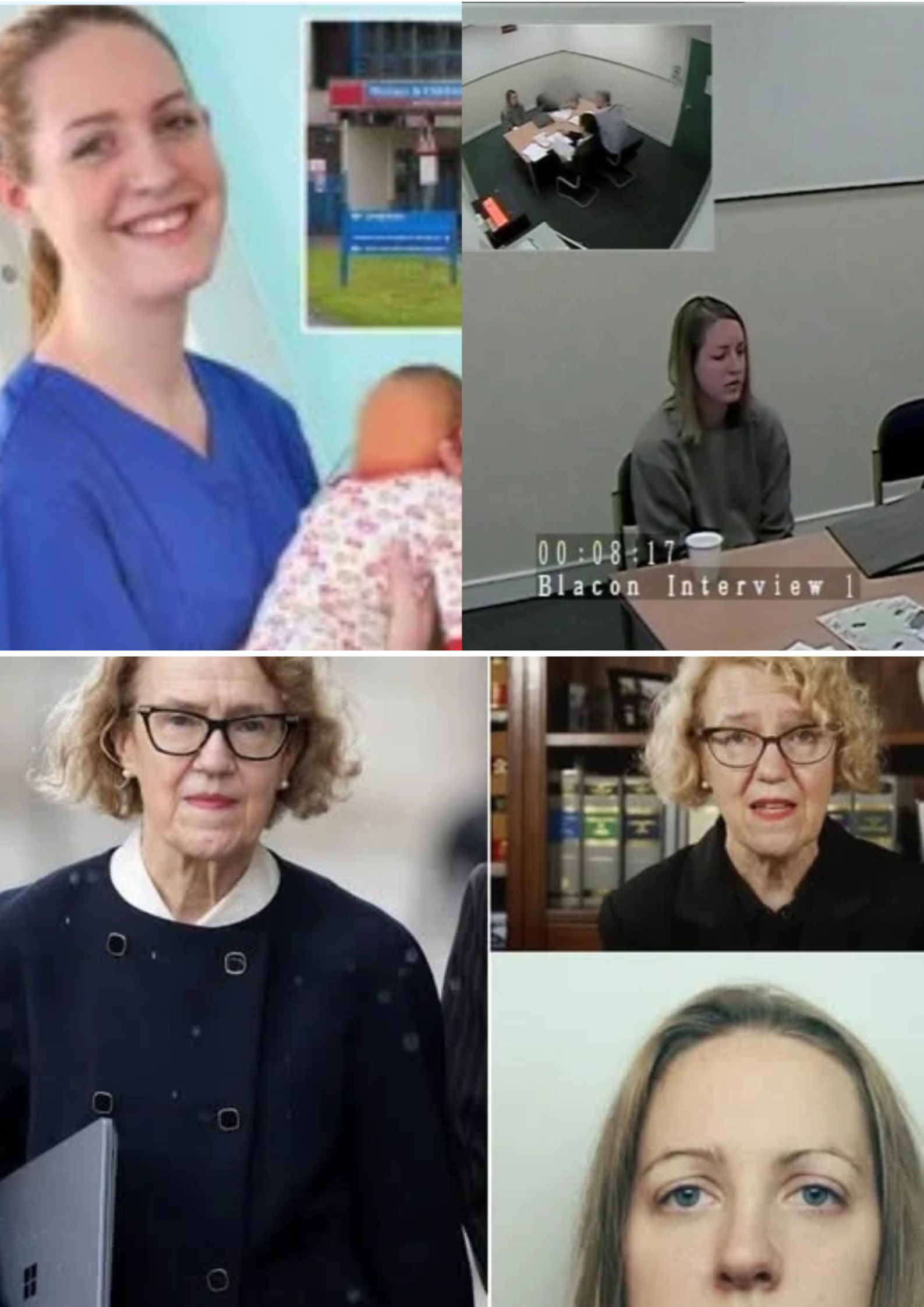
LUCY LETBY INQUIRY BOMBSHELL: DR. STEPHEN BREAREY SAYS HIS WARNINGS WERE IGNORED AS HOSPITAL LEADERSHIP FAILURES ARE EXPOSED
The lead neonatal consultant has spoken publicly for the first time since the landmark inquiry report was published, reflecting on warnings that failed to trigger timely action and the devastating consequences for families.
Fresh attention has turned to the Lucy Letby case after Dr. Stephen Brearey, the consultant who first raised concerns about the former neonatal nurse, said he had been naive to believe hospital managers would act on the information clinicians were giving them.
His comments came days after the publication of the 822-page Thirlwall Inquiry report, which found profound failures in management, governance and safeguarding at the Countess of Chester Hospital.
The findings have renewed difficult questions about how concerns were handled, why police were not contacted sooner and whether earlier intervention could have protected more babies.
 THE WARNINGS THAT FAILED TO TRIGGER ACTION
Dr. Brearey was the lead neonatal consultant during the period when unexpected deaths and serious collapses occurred on the hospital’s neonatal unit.
The inquiry examined how concerns developed during 2015 and 2016, including the growing association doctors noticed between Lucy Letby’s presence on duty and a number of incidents involving babies.
However, the report makes clear that the concerns did not immediately lead to the appropriate safeguarding response.
In his first interview following publication of the report, Dr. Brearey said he had assumed senior managers shared clinicians’ priorities and would act once they understood the seriousness of the concerns.
Looking back, he acknowledged that he and his colleagues would have contacted police earlier had they known what lay ahead.
His reflections have highlighted the difficult position faced by clinicians who believed they were raising serious patient-safety concerns but did not see an effective response from hospital leadership.
 A SYSTEM THAT FAILED TO PROTECT BABIES
Lady Justice Kathryn Thirlwall’s inquiry found that the hospital’s response was marked by dysfunctional management, poor relationships between clinicians and senior leaders, and a fundamental failure to understand safeguarding responsibilities.
The report concluded that once there was a suspicion that a member of staff might be deliberately harming patients, protective action should have been taken without waiting for proof of guilt.
Senior managers did not contact Cheshire Police until May 2017, almost a year after Letby had been moved away from the neonatal unit.
The inquiry was also critical of internal and external reviews commissioned during the period. Those reviews did not properly address whether deliberate harm might have occurred.
Three consultants were told to apologise to Letby as part of the handling of her grievance, and plans were considered to return her to the neonatal unit before ultimately being abandoned.
The report concluded that earlier action could have prevented some further harm and potentially saved lives. <
WHAT DOES THE 822-PAGE REPORT REVEAL?
Published on September 15, 2026, the Thirlwall Inquiry report examined the hospital’s conduct, the experiences of affected families and the systems intended to keep babies safe.
It was not a new criminal trial and did not determine Letby’s guilt. Instead, it investigated how the hospital responded to concerns and why safeguarding measures failed.
Among its recommendations were stronger procedures for escalating suspicions of deliberate harm, improved oversight of unexpected deaths and collapses, better control of access to insulin, and cameras in neonatal units to strengthen monitoring and reassure parents.
The inquiry also criticised the way families were treated. Parents were not properly informed about the concerns surrounding their babies, and many remained unaware for years that deliberate harm was suspected.
COULD THERE BE FURTHER CRIMINAL PROCEEDINGS?
The hospital’s failures have also raised questions about potential criminal accountability.
Reuters reported that three senior hospital officials remained under investigation on suspicion of gross negligence manslaughter. One was also suspected of perverting the course of justice.
However, an investigation is not the same as a charge or conviction. The inquiry report does not itself announce new criminal indictments, and any future decision would depend on the relevant police and prosecutorial processes.
Letby, meanwhile, was convicted in 2023 of murdering seven babies and attempting to murder seven others. She continues to maintain her innocence, and her legal team has challenged aspects of the evidence. The Thirlwall Inquiry examined institutional failures rather than conducting a fresh determination of those convictions.
THE QUESTIONS THAT REMAIN
For the families who lost children or saw their babies suffer unexpected collapses, the report provides a detailed account of how the hospital responded — and where it failed them.
For Dr. Brearey and other clinicians, the findings have renewed scrutiny of a workplace culture in which serious concerns were not escalated effectively.
The wider challenge now is whether the recommendations lead to lasting changes across the NHS, so that staff can raise concerns without being sidelined and managers respond promptly when patient safety may be at risk.
The report has exposed grave institutional failures. Whether further criminal proceedings follow remains a separate question for investigators and prosecutors.