LUCY LETBY INQUIRY REVEALS HOW HOSPITAL BOSSES TREATED DOCTORS WHO RAISED THE ALARM
LUCY LETBY INQUIRY REVEALS HOW HOSPITAL BOSSES TREATED DOCTORS WHO RAISED THE ALARM
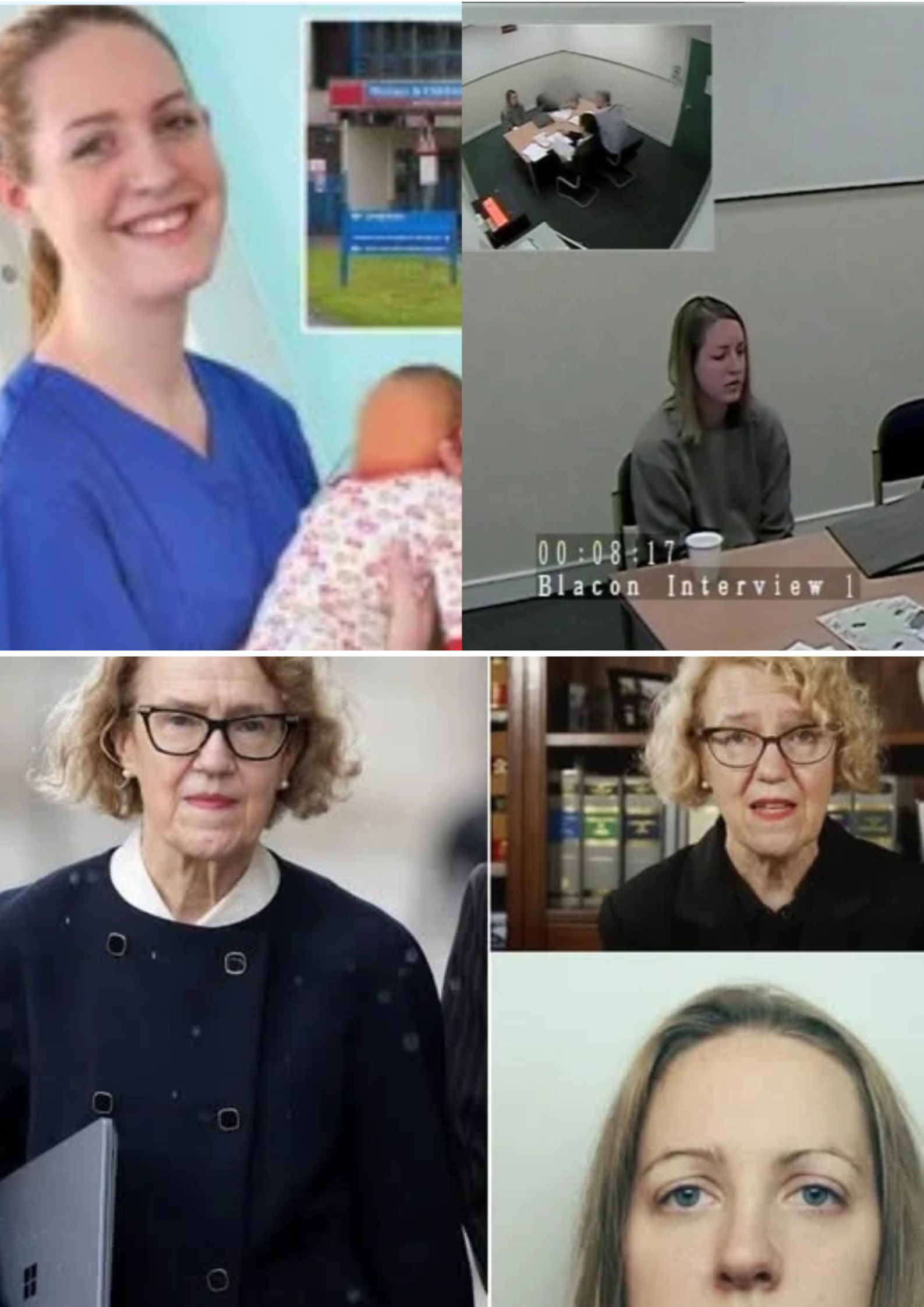
Newly published inquiry findings have exposed a deeply troubling clash between senior hospital management and the doctors who repeatedly warned about Lucy Letby. Dr. Stephen Brearey and his colleagues raised concerns about the safety of babies — but instead of receiving the support they expected, they faced pressure to apologise and threats to their professional standing.
The publication of the Thirlwall Inquiry report has brought renewed scrutiny to the events at the Countess of Chester Hospital, where serious concerns about former neonatal nurse Lucy Letby were repeatedly raised before police were finally contacted.
The report, released on September 15, 2026, described profound failures in management, governance and safeguarding. It also examined how hospital leaders responded to consultants who believed urgent action was needed to protect babies on the neonatal unit.
 DOCTORS WHO RAISED CONCERNS FACED PRESSURE FROM MANAGEMENT
Dr. Stephen Brearey, the unit’s lead neonatal consultant, was among the doctors who repeatedly expressed concerns about Letby.
The inquiry examined how senior managers responded to those warnings, including the decision to require Dr. Brearey and fellow consultant Dr. Ravi Jayaram to apologise to Letby. The doctors were also threatened with being reported to the General Medical Council, which regulates doctors in the UK.
According to the inquiry’s findings, former hospital chief executive Tony Chambers sought to “bring the consultants to heel or move them out.”
The findings have raised serious questions about whether the hospital’s leadership placed too much emphasis on challenging the doctors who raised concerns instead of acting decisively on the potential risks to patients.
LETBY’S POSSIBLE RETURN TO THE NEONATAL UNIT
Another significant issue examined by the inquiry was the handling of Letby’s employment after she was moved away from the neonatal unit in 2016.
Following a grievance raised by Letby, Chambers agreed in 2017 that she could return to the unit. However, the consultants continued to oppose the move, and she never returned to neonatal duties.
The inquiry’s findings have intensified scrutiny of the decisions made by hospital leaders during this period, particularly given the doctors’ continuing concerns about patient safety.
 A WARNING THAT WAS NOT ACTED ON QUICKLY ENOUGH
The inquiry concluded that the hospital failed to protect babies and that senior management did not respond appropriately to the warnings they received.
Letby was subsequently convicted of murdering seven babies and attempting to murder others. She has maintained her innocence, and her appeals against her convictions have been rejected by the courts.
Dr. Brearey has since spoken publicly about the experience, saying he was naive to believe that senior managers would act on his concerns. He has also called for a change in the culture surrounding the raising of concerns within the NHS.
The report has prompted renewed calls for stronger safeguarding procedures, clearer accountability and better protection for healthcare professionals who raise concerns about patient safety.
The central question remains difficult to ignore: when doctors believe vulnerable patients may be at risk, what should happen when their warnings conflict with the decisions of those in charge?
The inquiry’s findings provide a detailed account of how that conflict unfolded at the Countess of Chester Hospital — and why the failures demand serious attention.