LUCY LETBY INQUIRY REVEALS HOW HOSPITAL BOSSES TARGETED DOCTORS WHO RAISED THE ALARM
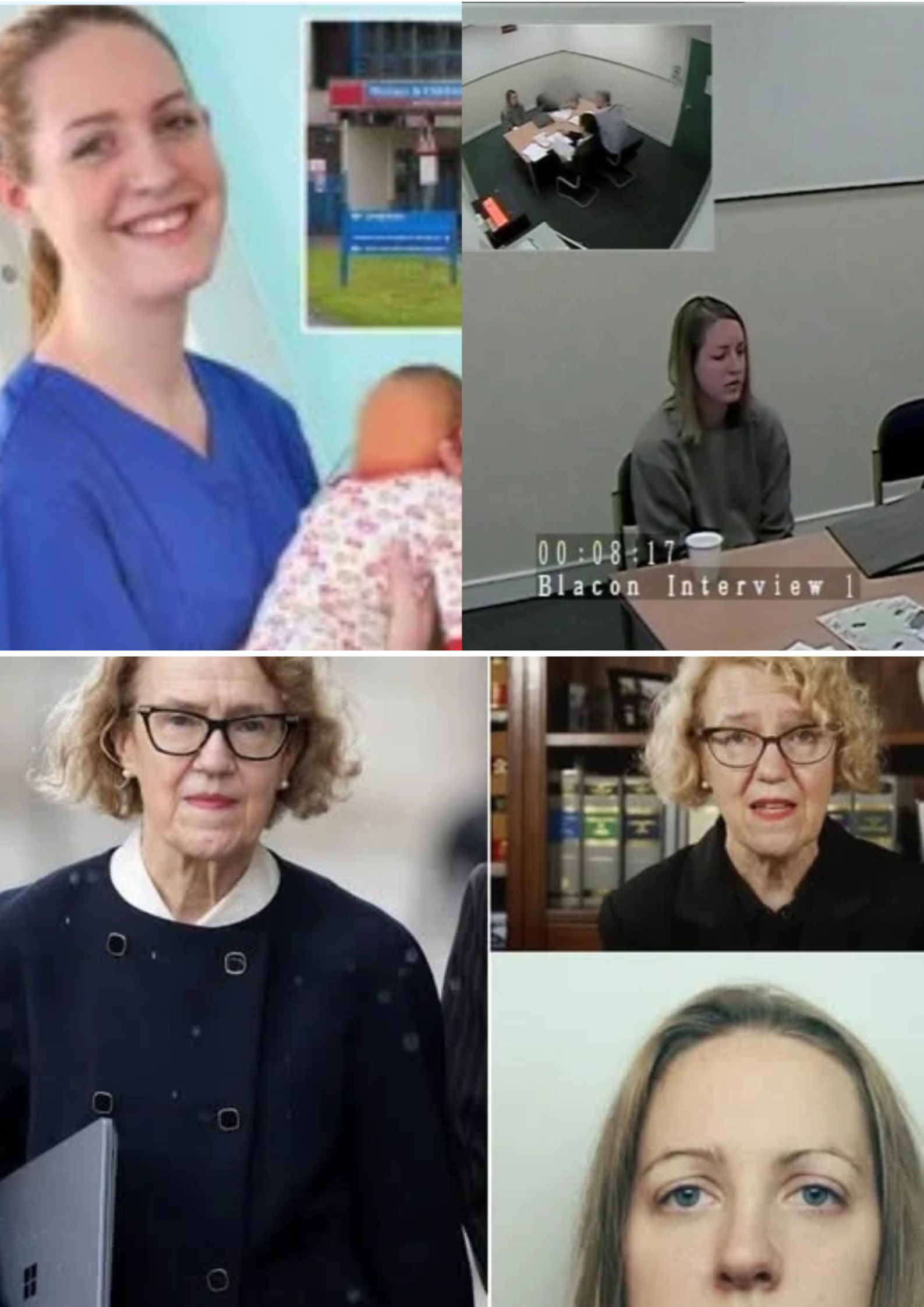
LUCY LETBY INQUIRY REVEALS HOW HOSPITAL BOSSES TARGETED DOCTORS WHO RAISED THE ALARM
Newly published inquiry findings have exposed serious failures at the hospital where Lucy Letby worked, including efforts to discipline doctors who raised concerns and a plan that could have allowed the convicted nurse to return to the neonatal unit.
The case of former neonatal nurse Lucy Letby has returned to the spotlight following the publication of the Thirlwall Inquiry’s final report, which detailed how senior leaders at the Countess of Chester Hospital responded to warnings about unexplained collapses and deaths among newborn babies.
Dr Stephen Brearey, the consultant who raised concerns about Letby, has spoken publicly about what he now believes was a devastating failure to act. He said he had been naive to assume that hospital managers would respond to his concerns with the same urgency he felt as a doctor responsible for vulnerable infants.
 Doctors Raised Concerns — But Management Failed to Respond
The inquiry examined a series of warnings from neonatal consultants who became increasingly concerned about the pattern of serious incidents on the unit.
According to its findings, senior managers did not adequately investigate or escalate those concerns. Instead, the report described an approach that focused on challenging the doctors who raised the alarm, rather than treating the situation as an urgent patient-safety issue.
Dr Brearey and fellow consultant Dr Ravi Jayaram faced pressure to apologise to Letby and were threatened with referral to the General Medical Council.
The inquiry concluded that former chief executive Tony Chambers had sought to bring the consultants “to heel or move them out.” It also found that management failures delayed police involvement, with serious consequences for the babies and their families.
The Proposed Return That Raised Further Questions
One of the most troubling aspects of the inquiry concerned plans for Letby to return to the neonatal unit.
After being moved to administrative duties in 2016, Letby raised a grievance. In April 2017, Chambers agreed that she could return to the unit, although opposition from consultants meant the proposed return did not take place.
The episode highlighted the contrast between the doctors’ continuing concerns and the decisions being made by senior management.
The inquiry found that managers had failed to respond appropriately to the risks being raised. It also concluded that earlier action could have prevented further harm to babies.
 What the Newly Published Documents Reveal
The inquiry’s report and accompanying evidence provide a detailed record of meetings, emails and decisions made as concerns about Letby escalated.
Rather than establishing every allegation of a coordinated cover-up, the findings document serious failures in leadership, safeguarding and the handling of whistleblowers. The inquiry’s conclusions are particularly significant because they examine not only individual decisions, but also the hospital’s wider culture and systems of accountability.
Letby was convicted of murdering seven babies and attempting to murder seven others. She continues to maintain her innocence, and challenges to her convictions remain a separate legal matter from the inquiry’s examination of hospital management.
A Wider Question About Speaking Up in the NHS
The case has renewed scrutiny of how healthcare organisations handle warnings from staff, especially when those warnings concern potential risks to patients.
The inquiry’s findings raise difficult questions about why concerns were not acted on sooner, why the doctors faced pressure, and how similar failures can be prevented in the future.
For the families affected, the report offers a detailed account of institutional failures, but it cannot undo the devastating losses they experienced.
The central lesson is clear: concerns about patient safety must be investigated promptly, independently and transparently — and staff who raise them must be heard rather than pushed aside.
Sources: The Thirlwall Inquiry, The BMJ and The Independent.