THE REAL-LIFE HORROR THAT INSPIRED THE CABRINI-GREEN TERROR IN CANDYMAN
THE REAL-LIFE HORROR THAT INSPIRED THE CABRINI-GREEN TERROR IN CANDYMAN
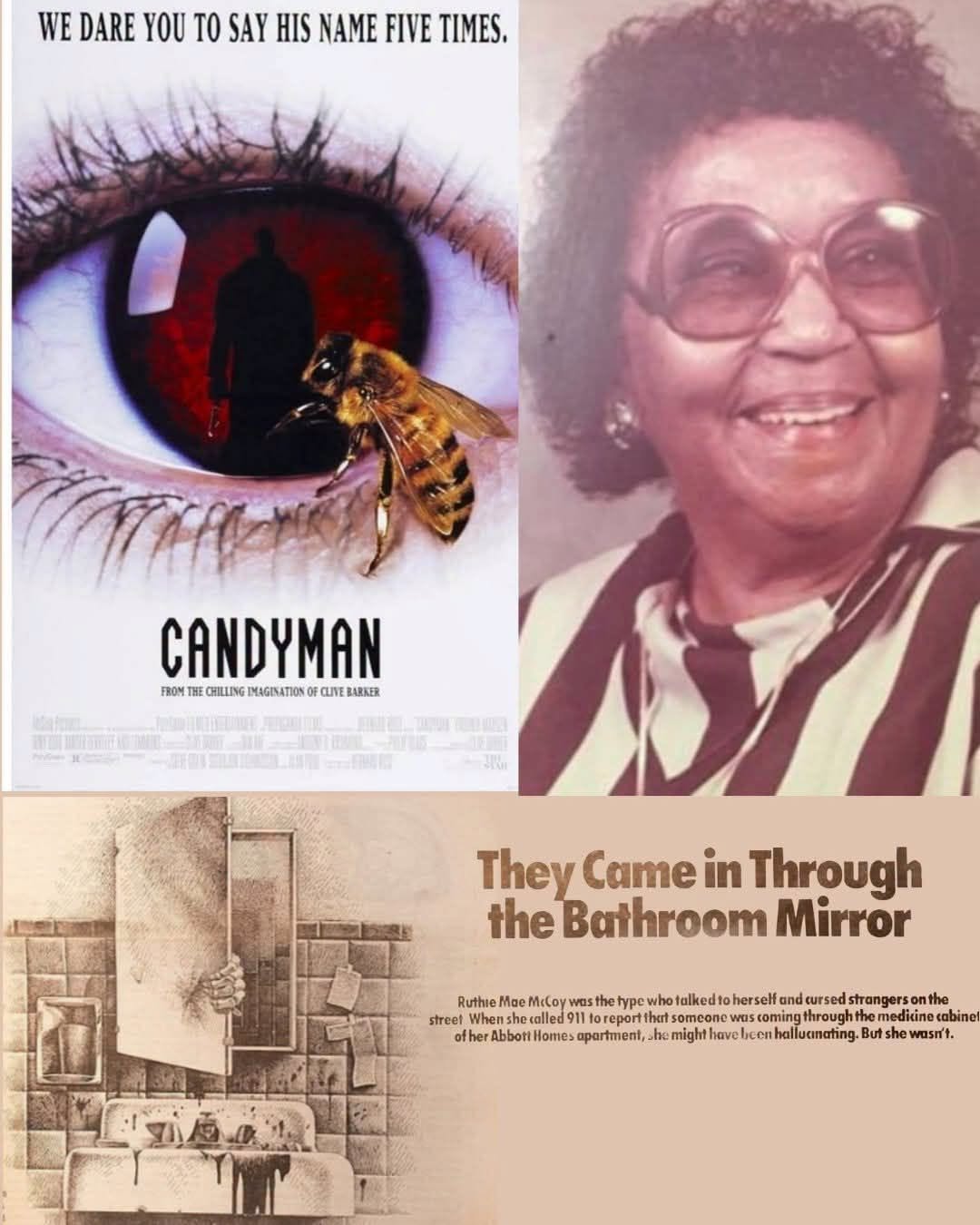
34 years ago this week, the iconic horror film Candyman made its terrifying debut in theaters, forever changing how people look at bathroom mirrors. While the film is famous for its mythical supernatural villain, few realize that one of its most chilling urban elements was drawn directly from a real-life murder case that shocked Chicago five years earlier.
In April 1987, 52-year-old Ruthie Mae McCoy called the police in terror, reporting that someone was trying to break into her 11th-floor apartment in the Grace Abbott Homes through her medicine cabinet. When officers finally entered the apartment two days later, they found her dead. Investigators discovered a critical design flaw in the public housing project: the medicine cabinets backed into a shared, unlit utility space that allowed intruders to crawl between adjacent units and access apartments straight through the bathroom wall.
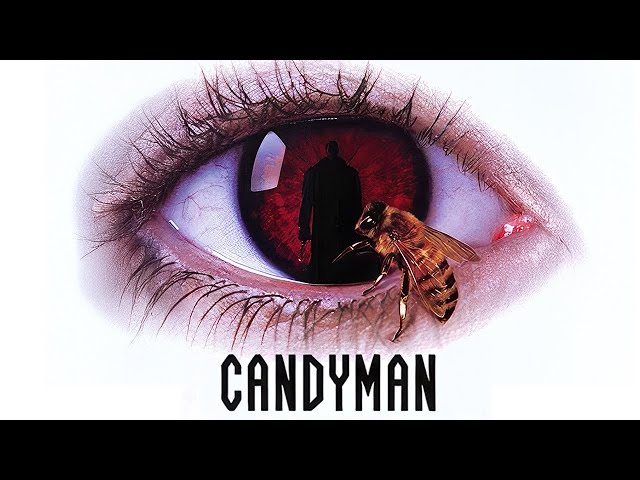
When director Bernard Rose began researching local urban legends for Candyman in the early 1990s, he came across news coverage of McCoy’s tragic story. The terrifying reality that an intruder could literally enter a home through the bathroom mirror left a lasting impression on him. Rose adapted this horrific detail into his film, turning a real-world structural vulnerability into the supernatural entryway for the hook-handed spirit, summoned by repeating his name five times into the glass. That eerie aspect of the movie wasn’t just Hollywood imagination—it was borrowed straight from a real-life tragedy.