“THEY SAID IT WAS A FALSE CALL” — 911 RECORDINGS REVEAL CHAOS AFTER CHRISTa PIKE SURVIVED TENNESSEE’S FAILED EXECUTION
“THEY SAID IT WAS A FALSE CALL” — 911 RECORDINGS REVEAL CHAOS AFTER CHRISTa PIKE SURVIVED TENNESSEE’S FAILED EXECUTION
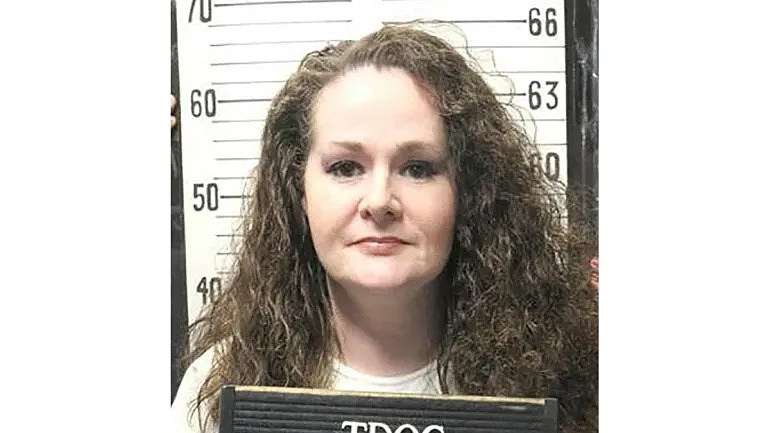
Newly released emergency recordings reveal how confusion between prison officials and dispatchers delayed medical responders after Christa Pike survived two doses of a lethal injection drug. The incident is raising urgent questions about emergency procedures inside Tennessee’s execution system.
A desperate call for medical help was initially treated as potentially fake after death-row inmate Christa Pike survived a failed execution attempt in Tennessee, according to newly released 911 records.
The recordings, released in October, document a confusing series of conversations between emergency dispatchers, prison personnel and first responders on the evening of September 30, 2026.
Pike, 50, had received two doses of pentobarbital as Tennessee attempted to carry out her execution. But she had not died, and the caller reported that she was unconscious and breathing abnormally.
What followed was a delay that would later raise serious questions about how the emergency was handled.
 THE FIRST CALL: “THE PERSON IS NOT YET DECEASED”
The first emergency call was placed at approximately 8:40 p.m., according to the released records.
An unidentified caller from Riverbend Maximum Security Institution told dispatchers that an execution had taken place but the inmate remained alive.
The caller reported that Pike had received approximately 10 grams of pentobarbital and said she was unconscious and not breathing normally.
But the caller did not have the verification code dispatchers needed to confirm the request and authorize emergency personnel to enter the prison without a police escort.
That missing information triggered a series of calls as dispatchers attempted to establish whether the emergency was genuine.
 DISPATCHERS WERE TOLD THE CALL WAS FALSE
The confusion intensified when dispatchers contacted prison personnel to verify the situation.
According to the recordings, a representative at the prison’s Central Control initially denied that the facility had placed the call.
At approximately 9:03 p.m., a dispatcher relayed a message from supervisors stating that the request had been classified as a false call.
“There is no medical assistance needed at Riverbend Prison,” the dispatcher said, according to the released audio.
Yet the emergency was real.
A first responder subsequently reported that someone claiming to be a state official was waiting outside the prison gates and insisting that emergency personnel needed to enter.
The conflicting messages left responders struggling to determine whether they were dealing with a false alarm or a genuine medical crisis.
PIKE’S LAWYER ALSO CALLED FOR HELP
At approximately 9:08 p.m., attorney Kelly Gleason contacted emergency services on Pike’s behalf.
Gleason explained that Pike had undergone the state’s execution procedure and was still alive, according to the call transcript.
She urged responders to provide immediate life-saving medical care.
The attorney’s call added to the mounting evidence that the situation inside Riverbend was a genuine emergency requiring urgent attention.
At around 9:11 p.m., prison officials finally confirmed the request for assistance, allowing emergency responders to enter.
That was approximately 31 minutes after the initial call.
A MEDICAL EMERGENCY AFTER TWO DOSES
Pike was taken to hospital in critical condition and placed on a ventilator. Her attorneys later said she had spent several days unconscious and that they had feared she might not survive.
She regained consciousness on October 6 and gradually began speaking and walking with assistance. Her legal team subsequently confirmed that she had been discharged from hospital and returned to prison, where she continues to receive medical care.
The exact reason the execution failed has not been publicly established.
Medical experts have discussed several possible explanations, including problems with intravenous access or the administration of the drug. Pike’s attorneys had also raised concerns about a blood disorder that could affect clotting at injection sites.
Those possibilities remain subject to investigation; the released emergency recordings do not establish the medical cause of the failed procedure.
TENNESSEE FACES QUESTIONS ABOUT ITS EXECUTION PROTOCOL
The incident has placed renewed scrutiny on Tennessee’s execution procedures.
State protocol provides for a second dose of pentobarbital if the first dose does not result in death. However, the procedure reportedly does not clearly specify what should happen if an inmate survives the second dose.
The delay in obtaining emergency assistance has created a separate set of questions: why the initial call could not be verified, why prison personnel reportedly denied making it, and whether the emergency response system was prepared for such a situation.
Tennessee Governor Bill Lee has paused further executions pending an independent review.
Officials have not yet publicly established the full chain of events that led to the failed execution or explained all the communication failures documented in the recordings.
WHAT HAPPENS NEXT?
The release of the 911 records provides a clearer picture of the confusion that followed Pike’s survival, but it does not answer every question about what happened inside the execution chamber.
Investigators will need to examine the execution procedure, the medical evidence, the prison’s emergency arrangements and the communications between staff and dispatchers.
Pike remains on death row for the 1995 murder of her classmate, Colleen Slemmer. Her conviction remains in force, and it is not yet clear whether Tennessee will attempt to carry out another execution.
For now, the recordings have brought one troubling detail into sharper focus: while prison officials and emergency dispatchers struggled to verify the call, a woman who had just undergone a failed execution needed urgent medical attention.
The central question is no longer simply why the execution failed. It is also why the response to a life-threatening emergency was delayed — and what Tennessee will do to ensure that the same failures do not happen again.