WHY WAS THE TIGER NOT KI//ED AFTER A MAN DIED AT YORKSHIRE WILDLIFE PARK?
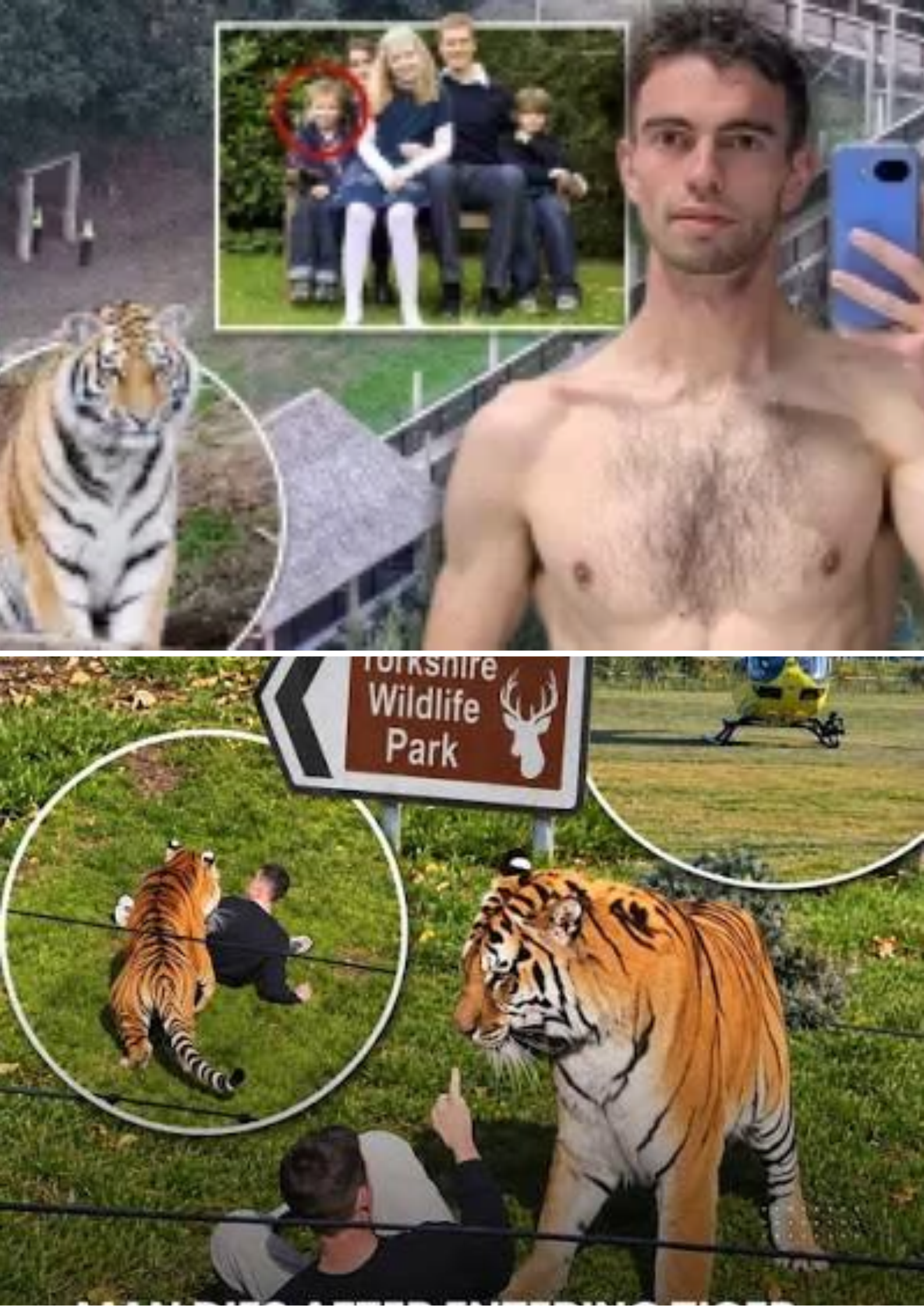
WHY WAS THE TIGER NOT KILLED AFTER A MAN DIED AT YORKSHIRE WILDLIFE PARK?
The fatal incident shocked visitors and sparked questions about why the animal was not put down. But officials confirmed that Altai, an Amur tiger, remained unharmed and posed no wider risk once the emergency was over.
DONCASTER, ENGLAND — A fatal incident at Yorkshire Wildlife Park has prompted an intense public debate: when a tiger is involved in a person’s death, why isn’t the animal automatically killed?
On October 10, 2026, emergency services were called to the park after a man entered a tiger enclosure and was attacked. Despite efforts by medical personnel, he was pronounced dead at the scene. The park was evacuated as police began investigating the circumstances.
The tiger, named Altai, was not injured. In a statement the following day, Yorkshire Wildlife Park confirmed that he was safe and well and would not be euthanised as a result of the incident.
 WHY WAS THE TIGER NOT PUT DOWN?
The key distinction is between stopping an immediate threat and deciding what should happen to an animal after the danger has passed.
During an active emergency, responders must prioritise human safety and assess the safest way to separate people from a dangerous animal. Depending on the circumstances, that could involve securing access points, separating the animal into another area or using specialist equipment. Any intervention must account for the risks to people nearby.
Once the incident was over, police said Altai remained inside his enclosure and there was no wider risk to the public. Authorities and park officials therefore faced a different question: whether there was any evidence or welfare-based reason to euthanise the animal after the immediate emergency had ended. ces, safety assessments, animal welfare and the findings of any subsequent investigation.
 WHAT ABOUT REPORTS OF GUNSHOTS?
Reports and online speculation about the response have circulated since the incident. However, the official statements publicly available from South Yorkshire Police and Yorkshire Wildlife Park do not confirm that the tiger was shot.
Police said Altai was uninjured and remained inside the enclosure after the incident. The park subsequently confirmed that he would not be euthanised. Claims about gunshots should therefore be treated cautiously unless supported by reliable, confirmed reporting.
A MAN ENTERED THE ENCLOSURE
The man was initially not publicly identified by police. Later reports named him as William Chapman, a man in his twenties. Reports said he entered the enclosure on Saturday afternoon; the exact circumstances surrounding his decision to do so remain subject to investigation.
Authorities have urged people not to share distressing footage of the incident. The man’s family has also asked for privacy and for the circulation of videos and speculative content to stop.
THE INVESTIGATION IS NOT OVER
The City of Doncaster Council, which has licensing responsibilities for the park, launched a health-and-safety investigation. Police and other agencies are working alongside the council to establish what happened and whether any safety measures require further examination.
The investigation must establish how the man entered the enclosure, what safety controls were in place and how the emergency response unfolded. Until those findings are available, it would be premature to conclude that a barrier failed or that the park breached its obligations.
The park’s closure and the support being offered to staff also reflect the impact the incident has had on people who witnessed or responded to it.
ALTAl’S FUTURE — AND THE QUESTIONS THAT REMAIN
Altai is an Amur tiger, a subspecies threatened in the wild. Conservation status alone does not determine what should happen after a fatal incident, but neither does the fact that an animal caused a person’s death automatically require euthanasia.
The immediate priority is public safety. The next step is to establish the facts and determine whether any changes to enclosure security, procedures or emergency planning are needed.
For now, the confirmed position is clear: Altai was not injured, remained inside the enclosure and will not be euthanised as a result of the incident. The investigation continues, and no official findings have established a safety failure or a reason to take further action against the animal.
The tragedy has left a family grieving and raised difficult questions about how wildlife parks protect visitors while caring for powerful wild animals. Those questions deserve answers grounded in evidence rather than online speculation.
What do you think should guide the decision after an incident like this: the circumstances of the encounter, the animal’s welfare, public safety, or all three
Sources