Anatomy of Urban Conflict: De-escalation, Evidence Collection, and the Micro-Dynamics of Domestic Disputes

Urban law enforcement operates at the intersection of immediate physical danger, intricate interpersonal disputes, and precise forensic science. Frontline officers are routinely tasked with navigating environments where volatile human emotions collide with criminal acts, requiring a delicate balance between swift physical control, structured investigation, and community engagement. Analyzing real-world tactical responses—ranging from extreme arson attacks to domestic altercations and proactive street-level enforcement—provides critical insights into the operational methodologies, evidentiary standards, and psychological dynamics that define modern policing.
-
High-Threat Violent Incidents: Targeted Firebombings and Immediate Response Protocols
Among the most dangerous scenarios encountered by urban patrol units are arson attacks involving improvised incendiary devices, commonly known as Molotov cocktails. These devices, typically constructed using glass containers filled with accelerants and fitted with a rag fuse, present a dual threat: immediate structural fire hazards and severe bodily harm to occupants. When an incendiary device is thrown into a residential dwelling, law enforcement’s initial response sequence transitions rapidly from active rescue to tactical containment and scene stabilization.
The primary objective upon arrival at a structure fire or explosive attack is ensuring occupant safety and clearing the immediate perimeter. However, when the incident stems from an targeted act of violence—such as a retaliatory firebombing—officers must simultaneously secure the area to prevent further attacks and identify potential suspects fleeing the scene. In high-chaos environments, victims and witnesses often present with elevated adrenaline, emotional shock, or distress, which can complicate initial field interviews.
During the initial response phase of an arson event, officers must balance immediate field detention of fleeing or pointed-out individuals with the constitutional requirements of reasonable suspicion. Witnesses in dense residential neighborhoods frequently provide quick, real-time identification of individuals seen fleeing the immediate vicinity. When a suspect is pointed out near the scene shortly after the commission of a violent act, field officers employ short-term investigative detentions. This tactic stabilizes the immediate environment, prevents the potential destruction of secondary evidence or suspect flight, and allows secondary units to establish a secure cordon around the crime scene while primary investigators begin assessing the origin of the fire.
-
Forensic Evidence Collection and Crime Scene Reconstruction in Arson Investigations
Once the initial physical threat is neutralized and suspects in the immediate vicinity are detained or identified, law enforcement shifts focus toward forensic evidence preservation and crime scene reconstruction. In cases involving Molotov cocktails, the crime scene yields specific physical indicators that require systematic documentation before environmental factors or emergency response efforts degrade the evidence.
The structural assessment begins at the point of impact. Incendiary devices thrown through residential windows typically leave clear patterns of destruction, including broken glass distributions (separating standard window glass from container glass), localized charring, soot deposits, and unburned chemical residue. Heat signatures often remain detectable on interior surfaces, indicating the precise trajectory and point of detonation.
Key physical evidence in firebombing investigations includes:
-
Glass Fragments: Identifying the specific neck, base, and body fragments of the thrown container to determine its original form and collect latent fingerprints or touch DNA.
-
Wicks and Fabric Remnants: Collecting partially burned cloth, rags, or materials used to ignite the accelerant, which are crucial for forensic chemical analysis.
-
Chemical Residues: Securing samples of liquid or vapor residue to identify volatile accelerants (such as gasoline, kerosene, or lighter fluid) through gas chromatography-mass spectrometry (GC-MS).
-
Point-of-Entry Damage: Documenting shattered window frames, screen tears, and scorch marks to establish the entry vector.
A critical aspect of establishing a legal case in retaliatory arson involves linking the immediate physical act to underlying disputes. Arson investigations frequently reveal that severe violence is the culmination of escalating micro-conflicts—such as prior physical assaults, neighborhood rivalries, or unpaid debts. Establishing a clear chain of custody for collected accelerants, bottle necks, and textile wicks is paramount. Forensic examiners print non-porous surfaces like glass while packaging absorbent materials in airtight containers to preserve volatile petroleum hydrocarbons. When combined with direct eyewitness identification linking specific individuals to the scene, physical evidence transforms initial field observations into a legally defensible criminal prosecution.
-
Domestic Conflicts and Street Altercations: The Micro-Dynamics of Escalation
While targeted arson represents an acute high-level threat, routine patrol work is predominantly occupied by domestic disputes and public altercations. These incidents, often reported as street fights or noise complaints, carry unpredictable risks due to close-quarters proximity, emotional volatility, and the frequent involvement of weapons or intoxicants.
De-escalating public fights requires officers to separate conflicting parties immediately, eliminating direct verbal and visual contact to reduce emotional escalation. Field interviews in domestic settings frequently reveal highly complex, intertwined social relationships characterized by co-dependency, housing instability, or substance abuse. Minor interpersonal grievances—ranging from disputed personal property to minor petty thefts—can serve as the tipping point for physical violence involving edged weapons or blunt objects.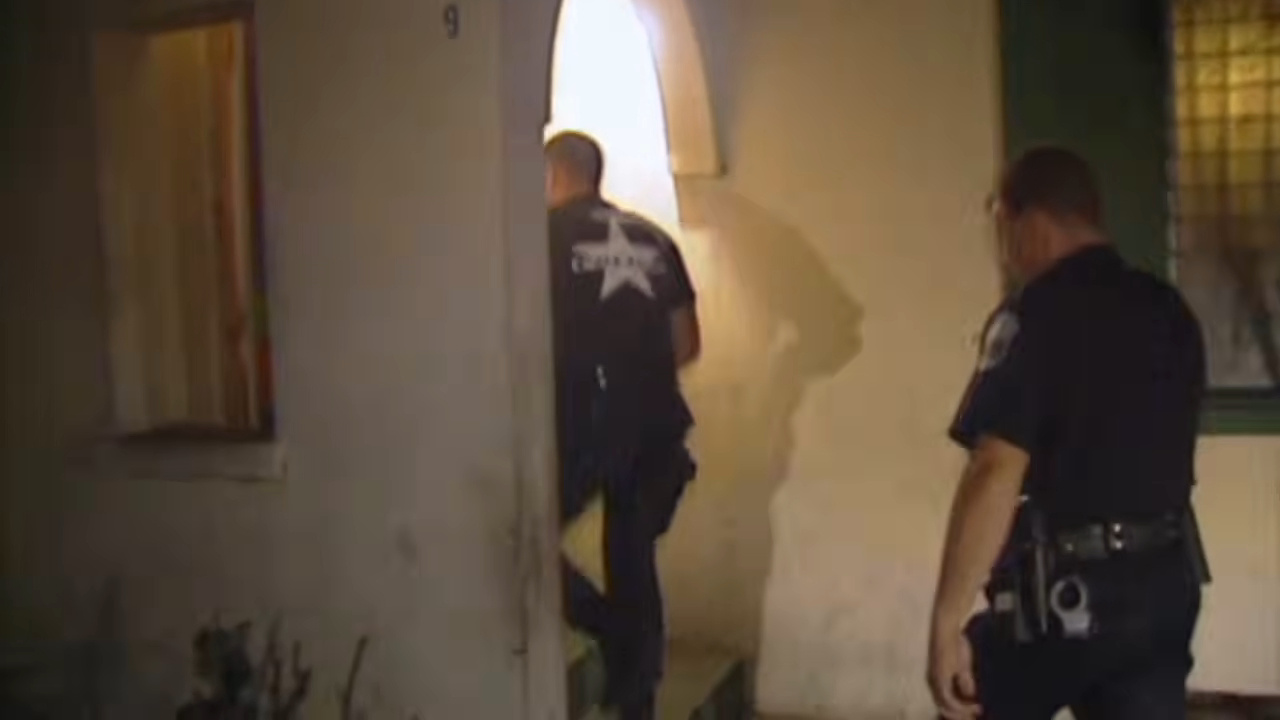
When responding to reports of physical fights involving weapons, officers follow structured assessment steps:
-
Scene Containment and Separation: Isolating all involved individuals to prevent joint aggression and secure the perimeter.
-
Weapon Sweeps and Frisks: Conducting protective pat-downs of individuals present to ensure officer safety and locate concealed knives or blunt instruments.
-
Injury Assessment: Identifying physical trauma on victims or bystanders, securing immediate medical aid, and documenting defensive wounds or slash marks.
-
Warrant and Background Checks: Running identification checks on all participants to identify existing protective orders, active warrants, or legal restrictions.
A recurring challenge in resolving domestic and street-level disputes is the disparity between the trivial nature of the initial conflict and the severity of the resulting criminal acts. In many instances, severe physical assaults or brandishing of edged weapons stem from minor domestic friction, such as arguments over shared food, minor financial disagreements, or petty property disputes. The presence of underlying factors—such as substance dependency, intergenerational trauma, or custody conflicts—further complicates the officer’s role. Patrol personnel must navigate these micro-dynamics carefully, balancing the necessity of enforcing criminal statutes (such as assault, battery, or brandishing a weapon) with the practical reality that victims and witnesses may be hesitant to cooperate due to personal relationships or fear of retribution.
Ultimately, effective urban policing relies on a continuum of skill sets: rapid tactical deployment during active threats, meticulous scientific documentation at crime scenes, and nuanced verbal de-escalation during volatile human disputes. Whether processing the scorched remnants of a petrol bomb or resolving a violent neighborhood altercation, law enforcement professionals must maintain rigorous standards of evidence, legal compliance, and operational safety to uphold public justice.