Before Gloria Steinem Became a Feminist Icon, She Took Part in a Secret CIA-Backed Cold War Campaign
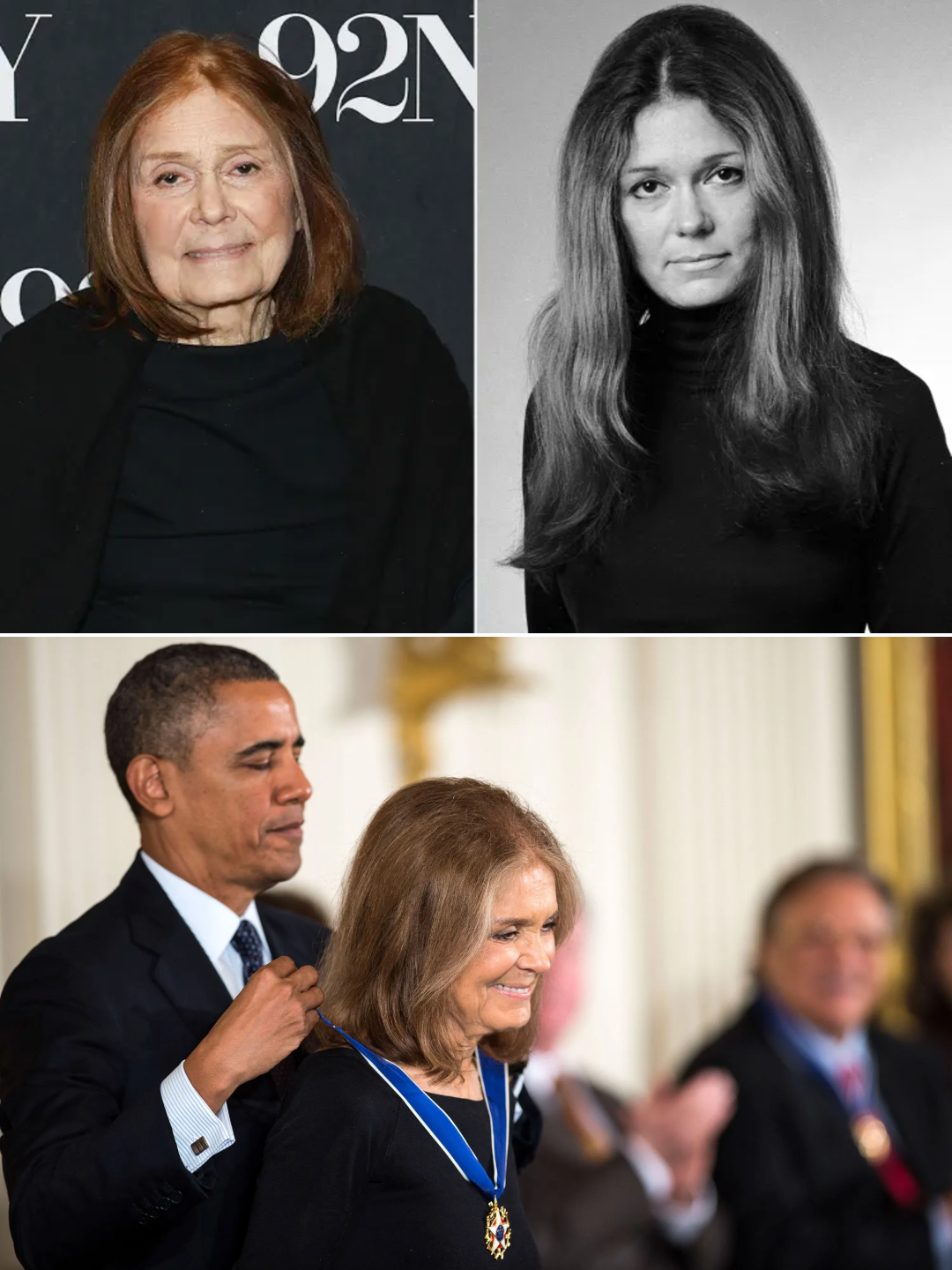
Decades before Gloria Steinem became one of the most recognizable voices of the American women’s movement, her political life took a path that would surprise many people who later knew her as a feminist organizer, journalist and activist.
In the late 1950s and early 1960s, Steinem became involved in a CIA-funded effort aimed at bringing young Americans into an ideological battle playing out at international youth festivals in Europe.
It was an unusual beginning for a woman who would eventually challenge presidents, lawmakers and entrenched ideas about women’s place in American society. Yet Steinem never treated the episode as something she needed to erase from her history. Years later, even after the CIA’s reputation had been transformed by revelations about controversial operations around the world, she continued to defend the decision she had made as a young activist.
Steinem died Wednesday, Sept. 2, 2026, at age 92, leaving behind a public legacy stretching across generations. Her activism continued well into her later years, but the roots of that political engagement went back to a period long before she became famous.
An Experience in India Changed Her Direction
From 1956 until 1958, Steinem spent two years in India on a scholarship funded by Chester Bowles, the longtime American diplomat and U.S. ambassador to India.
Those years came during an important period in the country’s history. India was still navigating the early decades of independence, and Steinem was deeply influenced by Mahatma Gandhi and the political energy she encountered there.
When she returned to the United States in 1958, she did not simply want to observe politics from a distance.
She wanted young Americans to participate.
One place where she believed American voices were largely missing was the World Youth Festivals, international gatherings that attracted young people from countries around the globe and had initially been organized by communist states.
Steinem later recalled returning home filled with activism and discovering that relatively little was being done to send American students into those spaces. At the time, she believed young people in the United States were not yet treated as a meaningful political force, and private financial support was difficult to secure for anything connected with a communist-organized festival.
That problem led her toward an unexpected source of money.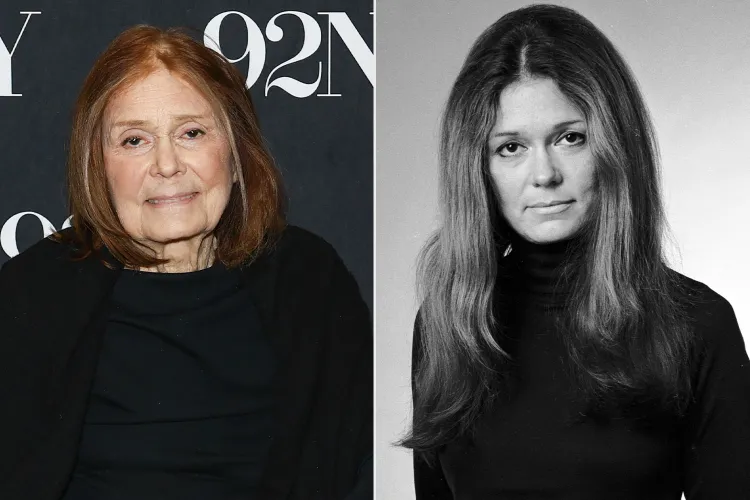
The CIA Connection
Steinem contacted former officers of the National Student Association, a network of university student governments that has since ceased operations.
Through those connections, she learned that CIA funding could potentially be available for the project.
The relationship between the intelligence agency and student organizations would later become a major public issue. In 1967, the National Student Association acknowledged that it had been receiving funds since 1952.
But years earlier, Steinem had already entered that world.
Ahead of the World Youth Festival held in Vienna, Austria, during the summer of 1959, she began receiving money connected to the CIA.
The agency also helped her establish the Independence Research Service, which was based in Cambridge, Massachusetts. Steinem remained employed by the organization through another World Youth Festival held in Helsinki, Finland, in 1962.
The purpose was political, but Steinem later drew an important distinction between what she had been doing and the type of intelligence work many people associate with the CIA.
She said she had not been instructed to spy on fellow Americans or provide assessments of foreign people she encountered.
Instead, she viewed the operation as a way of ensuring that young Americans representing a broad range of political beliefs could show up at international gatherings rather than leaving those forums dominated by Soviet-backed participants.
When the CIA connection became public, Steinem did not respond as though she had been exposed doing something she regretted.
She defended it.
She described herself as pleased that people within the U.S. government had been willing to support a project that allowed Americans with different political perspectives to participate in the festivals.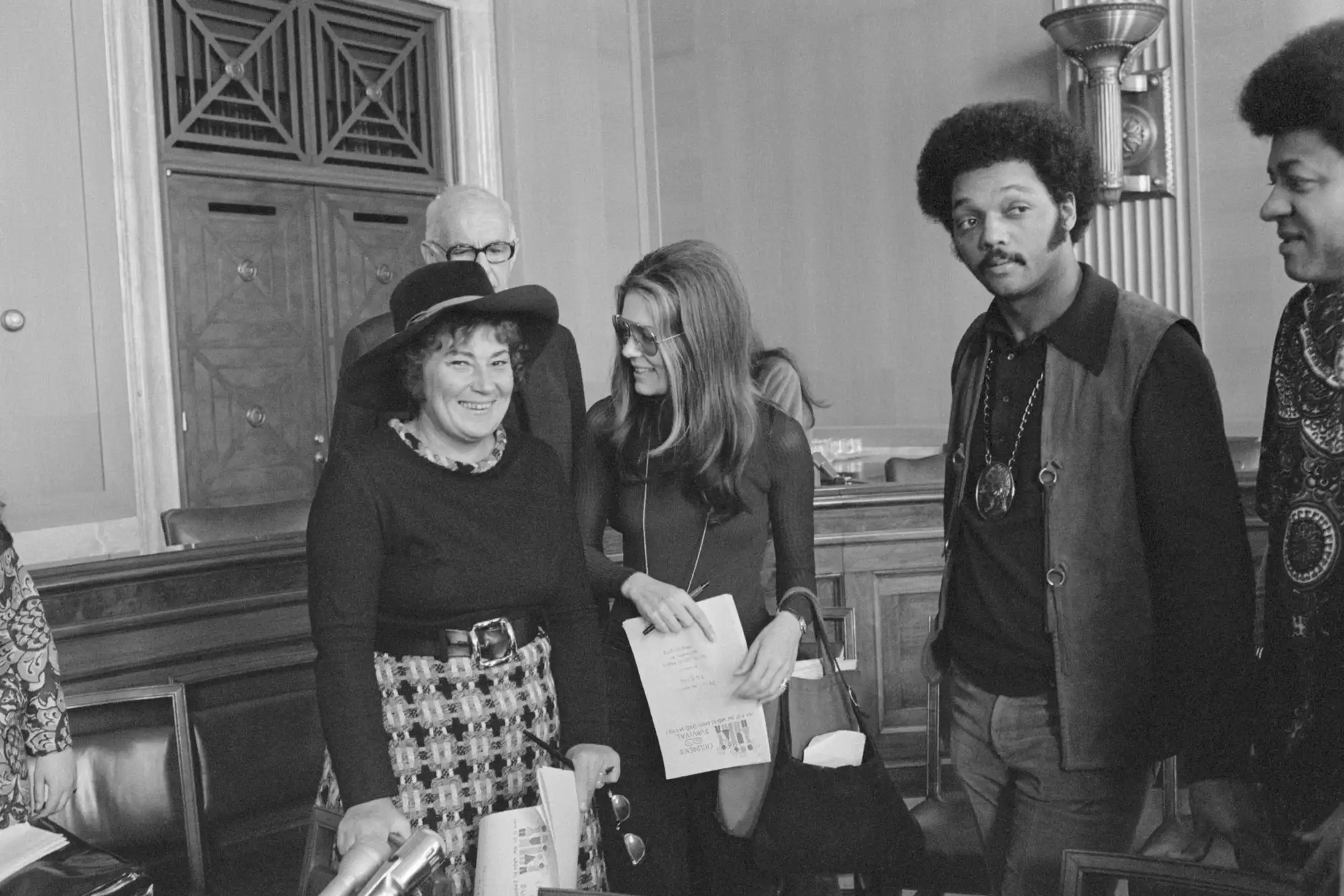
Then Her Public Life Changed Completely
The CIA-supported chapter came before most of the events that would make Steinem famous.
In 1963, she went undercover at Hugh Hefner’s Playboy Club for a magazine investigation, taking a job as a Playboy Bunny and later writing about the working conditions she encountered.
That assignment became one of the defining pieces of her early journalism career.
Her profile continued to grow as the second-wave feminist movement transformed American politics and culture. Steinem eventually emerged as one of its best-known leaders, spending decades advocating for women’s equality and participating in political campaigns and movements.
Her reach ultimately extended to the White House.
In November 2013, President Barack Obama presented Steinem with the Presidential Medal of Freedom, one of the nation’s highest civilian honors.
By then, the young activist who once searched for a way to send students to European youth festivals had become an internationally recognized political figure.
But her association with the CIA never completely disappeared from discussions about her early career.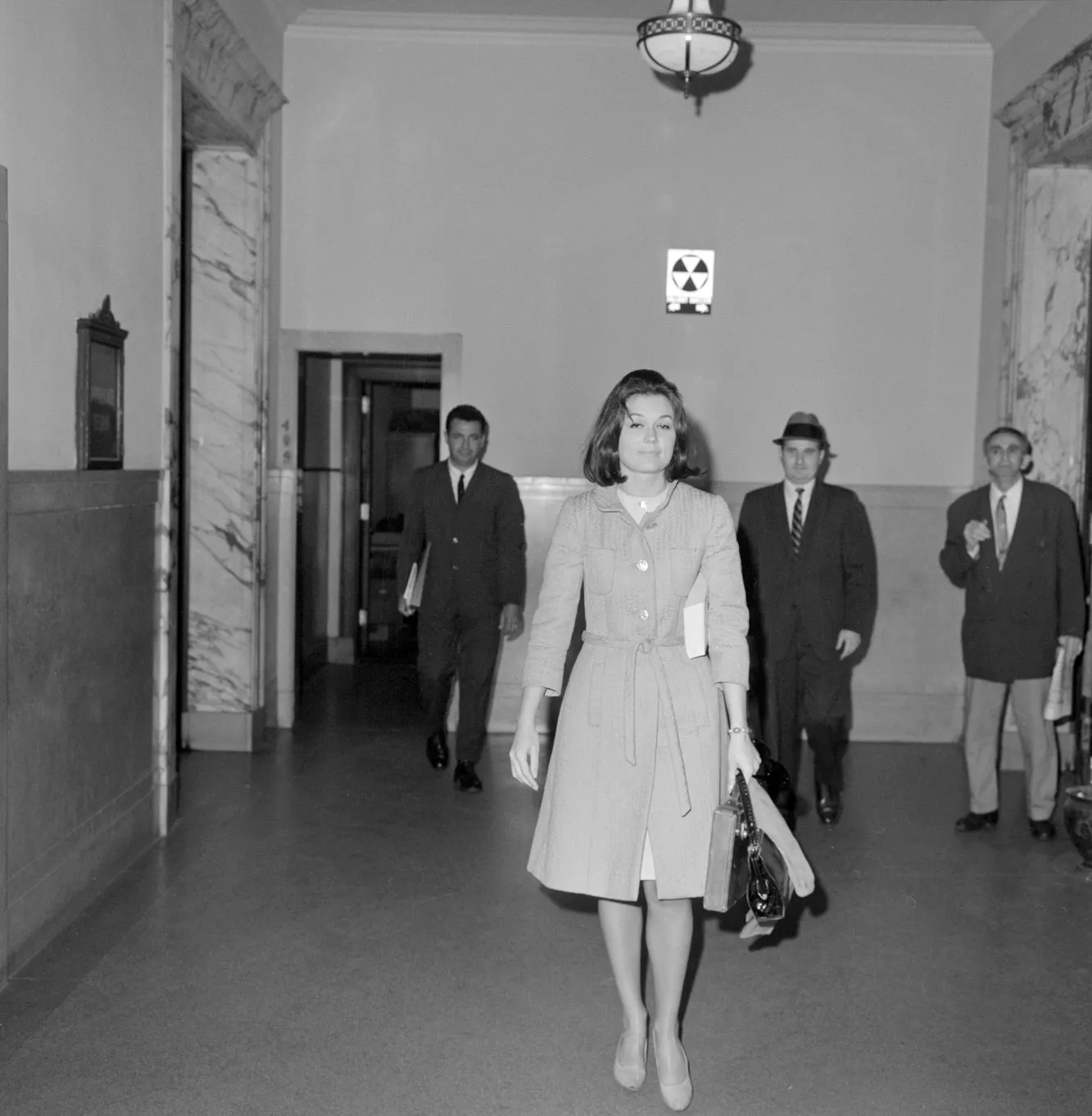
She Never Renounced the Decision
As decades passed, public understanding of the CIA changed considerably.
Investigations and disclosures revealed a history that included covert, destabilizing and sometimes illegal operations. Against that backdrop, Steinem’s early connection with the agency attracted renewed criticism, including from some people within the feminist movement she had helped lead.
That criticism affected her.
In 2016, Steinem said disapproval from other feminists had been particularly painful.
Still, she rejected the idea that her experience should be interpreted through everything that later became associated with the CIA.
She argued that the organization she encountered during that period felt much less controlled and sinister than people might imagine simply from hearing the agency’s initials. Her point was that the funding source had not changed what she believed the young Americans involved would have done anyway.
Most significantly, she never rewrote her own judgment of the episode.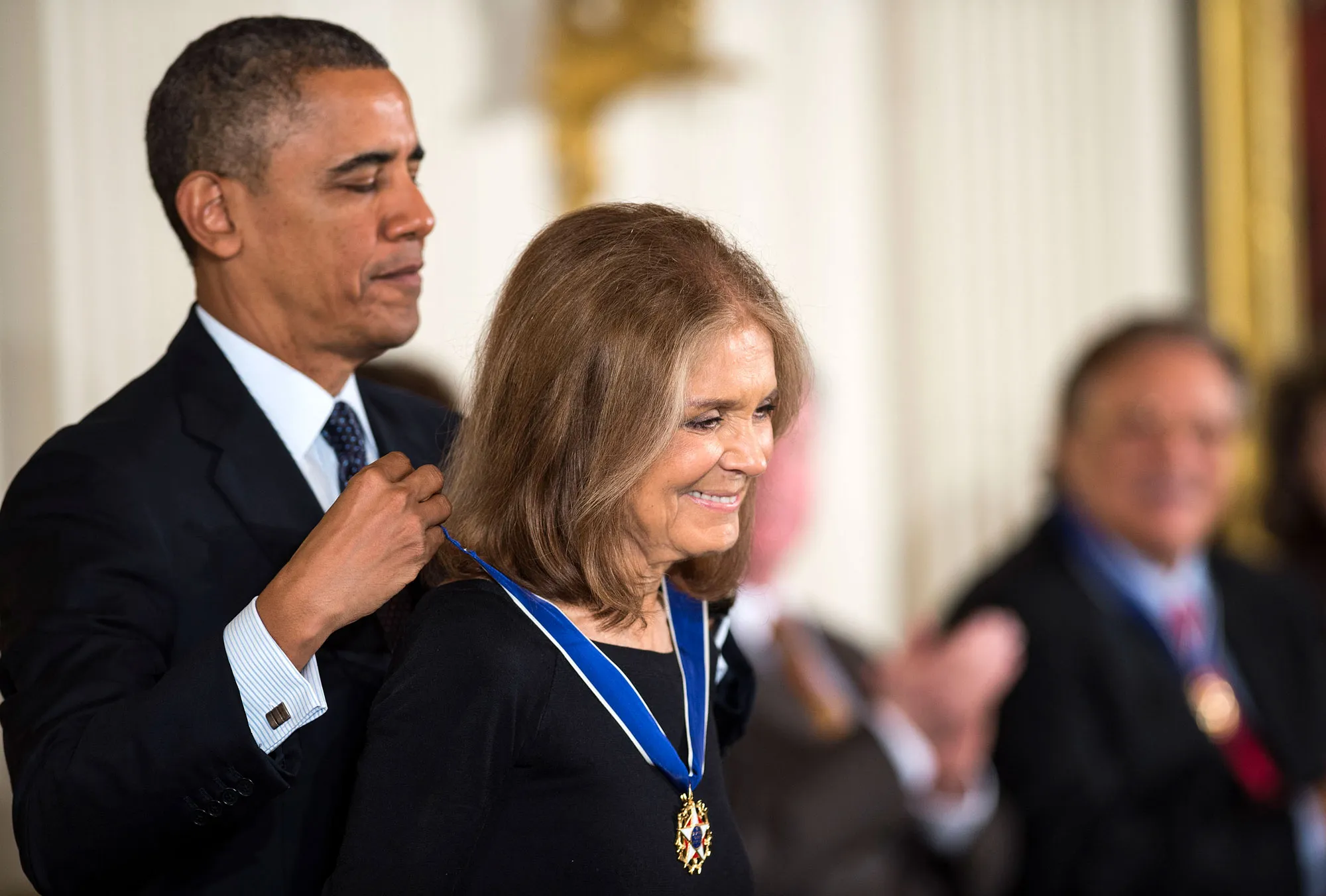
In her 2015 memoir, My Life on the Road, Steinem made her position unmistakable: given the same choice, she said she would make it again.
It adds an unexpected layer to the life of a woman remembered primarily for feminist organizing, journalism and decades of public advocacy.
Before the famous speeches, the confrontations with political power and the national recognition, Gloria Steinem was already searching for ways to enter political battles that many Americans barely knew were taking place.
And for a few formative years at the beginning of that journey, the institution helping to finance her work was the CIA.