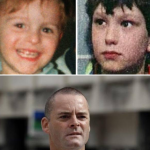
JAMES BULGER’S PARENTS FACE TWO-WEEK WAIT FOR CENSORED AUDIO OF KILLER JON VENABLES’ PAROLE HEARING
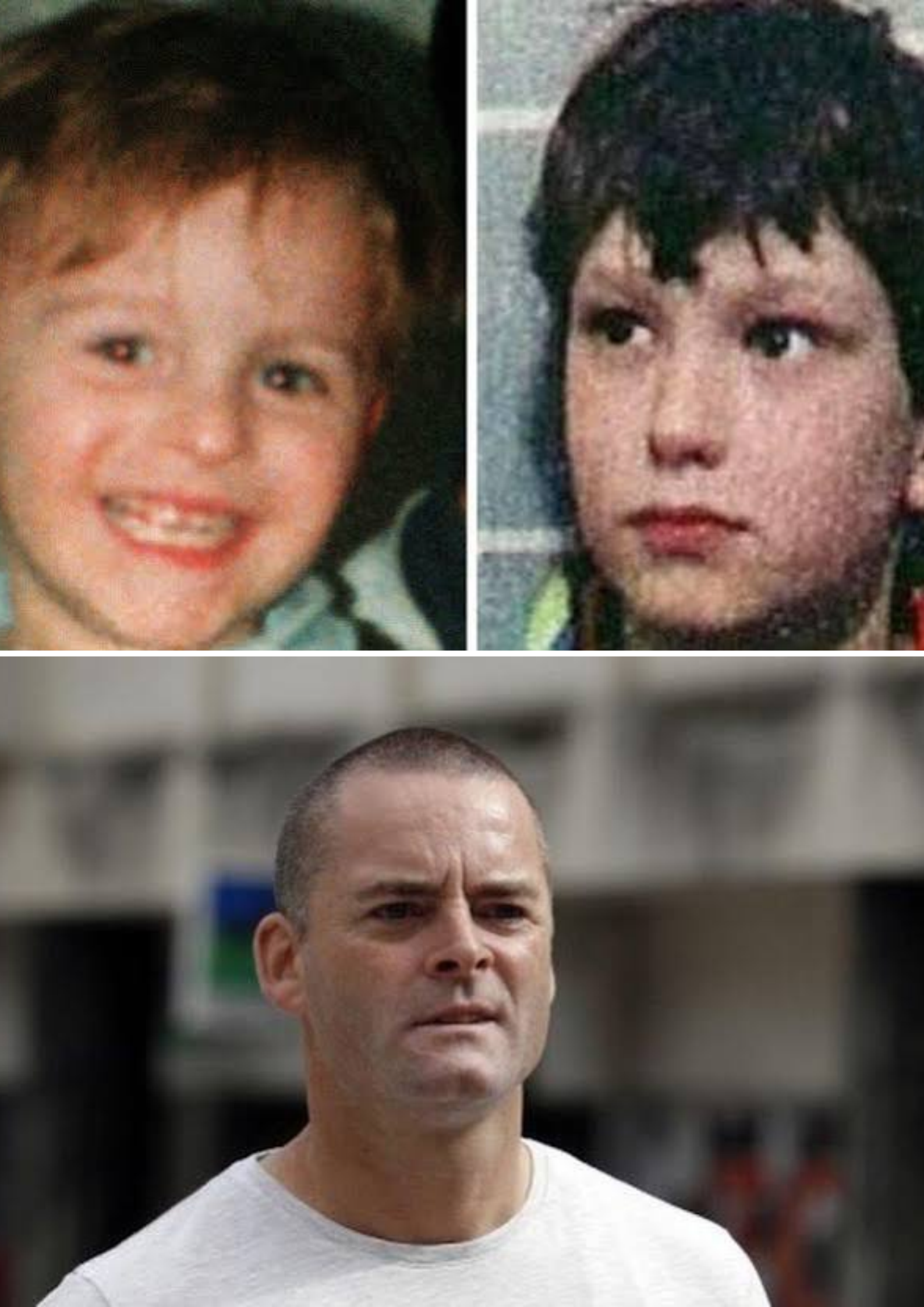
JAMES BULGER’S PARENTS FACE TWO-WEEK WAIT FOR CENSORED AUDIO OF KILLER JON VENABLES’ PAROLE HEARING
The family of murdered toddler James Bulger will reportedly receive only a censored audio recording of Jon Venables’ latest parole hearing — and must wait until after the decision before they can hear it.
More than three decades after the killing that devastated their family, James’s parents are once again facing a painful struggle to understand a process that could determine whether one of the men responsible for their son’s death is released from prison.
According to The Sun, Denise Fergus and Ralph Bulger will receive a redacted recording approximately two weeks after the parole decision. Venables’ voice is expected to be disguised to comply with the legal order protecting his anonymity.
The arrangement has reportedly left the family feeling deeply disappointed, particularly after their requests to observe the proceedings remotely were refused.
A FAMILY THAT WANTED TO BE HEARD
James’s mother, Denise Fergus, had called for the hearing to be held publicly, arguing that greater transparency could help counter misinformation about the case and improve public understanding of parole decisions.
The family and media organisations applied for the hearing to be opened to public observation. However, on 28 September 2026, the Parole Board announced that the application had been refused.
In its ruling, the Board considered the potential risks to Venables’ safety and the difficulties that public access could create for witnesses giving evidence. His lifelong anonymity order was also a significant factor.
The family’s position is that the public interest in such an exceptional case deserves greater consideration.
According to The Sun, a source close to the family described the proposed recording as another deeply upsetting development, saying relatives felt that assurances about access had been followed by further restrictions.
The family’s frustration reflects a wider question: how can victims’ relatives meaningfully participate in a parole process when they cannot observe the evidence as it is presented?
 WHY IS THE HEARING BEING HELD IN PRIVATE?
Parole hearings in England and Wales are generally conducted privately, although the Parole Board can permit public hearings in certain circumstances.
In Venables’ case, the Board concluded that a public hearing would create significant difficulties, including concerns that people might use information disclosed during proceedings to identify or endanger him.
The decision does not mean the family’s views are excluded from consideration. Denise Fergus and Ralph Bulger have submitted victim statements expressing their opposition to his release.
However, being able to submit a statement is not the same as being able to listen to the evidence and understand how the panel assesses the risks.
The proposed audio recording is intended to provide a form of access after the proceedings, subject to checks and restrictions required by the legal order. The recording will not provide unrestricted access to the hearing.
The Parole Board did not comment on the latest report when approached by The Sun.
 THE MURDER THAT SHOCKED BRITAIN
James Bulger was just two years old when he was abducted from the New Strand Shopping Centre in Bootle, Merseyside, in February 1993.
He was taken by two 10-year-old boys, Jon Venables and Robert Thompson, and was later murdered. The case shocked Britain and prompted years of public discussion about child protection, criminal responsibility and the treatment of young offenders.
Both boys were convicted of James’s murder and released on licence in 2001 under new identities.
Venables was subsequently returned to prison in 2010 after indecent images of children were found on his computer. He was released again in 2013 and recalled to prison in 2017 following further offences involving indecent images of children.
His previous parole bid was rejected in 2023. At that time, the Parole Board concluded that his release would not be safe for the protection of the public.
His latest review has renewed attention on the risks considered by parole officials and the concerns of James’s family.
A DECISION WITH LIFE-CHANGING CONSEQUENCES
For Denise and Ralph, the parole process is not simply a legal procedure. It concerns the possibility that a man convicted of their young son’s murder could one day be released.
Their opposition to his release is rooted in their continuing fear for other children and families. The family has argued that the circumstances of the case and Venables’ subsequent offending make transparency especially important.
At the same time, the Parole Board must assess the evidence relevant to the decision, including current risk, while complying with legal restrictions and considering public safety.
The decision on whether Venables should be released is separate from the dispute over access to the hearing. The fact that the hearing is private does not, by itself, determine its outcome.
As the proceedings continue, the family faces an anxious wait for the panel’s decision — followed by a further wait for a recording that will be edited to meet legal requirements.
THE QUESTIONS THAT REMAIN
The controversy has renewed debate about the balance between protecting an offender’s legally guaranteed anonymity, safeguarding the parole process and giving victims’ families meaningful access to decisions that affect them.
For James’s parents, receiving a censored recording after the decision has been made may offer some insight into the proceedings, but it cannot give them the opportunity to hear the evidence in real time.
Their case highlights a difficult question for the justice system: how can a process protect confidentiality and safety while ensuring that victims’ families feel informed, respected and heard?
More than 30 years after James’s death, that question remains painfully personal for the family who lost him.
Sources:
- The Sun — James Bulger’s family to receive censored parole-hearing recording
- UK Government / Parole Board — Decision refusing a public hearing in the Jon Venables case, 28 September 2026
- The Independent — James Bulger’s father criticises the decision to hold the hearing in private