‘WE JUST WANTED TO GIVE HIM THE BEST POSSIBLE START’: MUM’S FEARS AFTER BABY CASPER WAS DIAGNOSED WITH RARE ACHONDROPLASIA
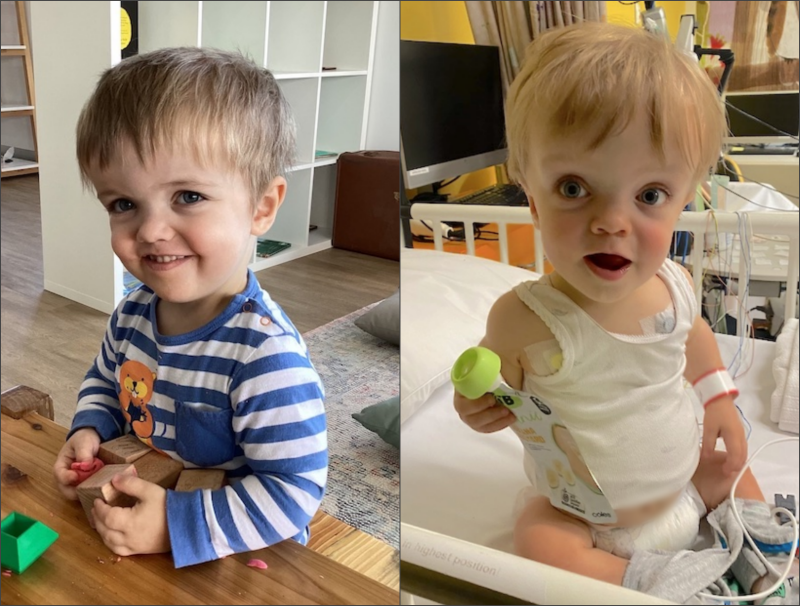
When Daisy and Justin first learned that their baby boy Casper might have achondroplasia, their excitement about becoming parents was suddenly mixed with fear and uncertainty.
The condition was suspected during pregnancy and later confirmed through genetic testing when Casper was just 10 days old.
For Daisy, a first-time mother, the news was overwhelming.
“I was filled with worry and anxiety when we received the diagnosis,” she recalled. “You are already going through all the emotions of learning how to care for a newborn, and then suddenly you have this unfamiliar condition to understand as well. It was a lot to take in.”
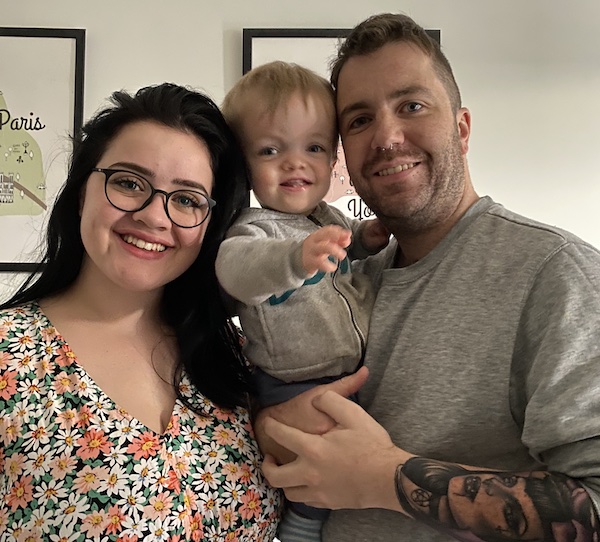
The couple found themselves researching everything they could about achondroplasia, trying to understand what it might mean for their little boy’s future.
But rather than allowing fear to define Casper’s childhood, they were determined to explore every opportunity that could help him grow up as healthy and happy as possible.
When Casper was just five months old, Daisy enrolled him in a vosoritide clinical trial at the Murdoch Children’s Research Institute (MCRI), hoping the treatment would give him the best possible start in life.
Now, at four years old, Casper’s progress has brought his parents enormous relief.
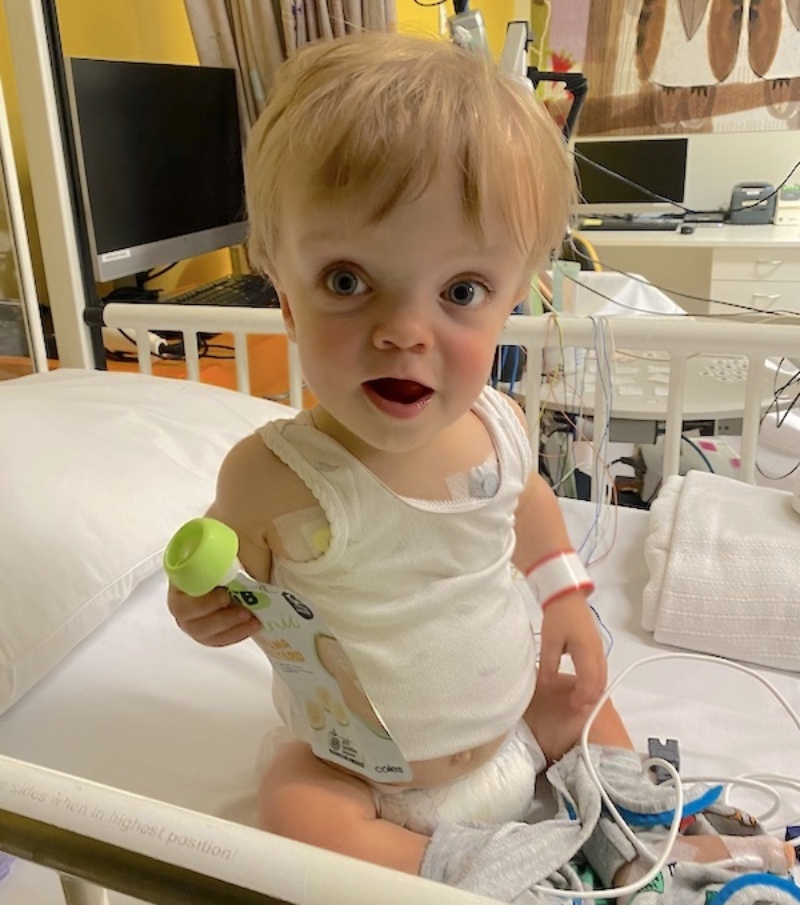
Daisy said the changes had been remarkable. Casper has no spinal compression, his limbs are more proportionate, and the bowing in his legs has become less pronounced.
“He is healthy and happy, and a lot of that we contribute to the vosoritide treatment,” she said.
For Daisy and Justin, every positive development has meant more than simply seeing physical improvements. It has brought reassurance that their son has opportunities ahead of him that once felt uncertain.
The family also welcomed the latest research from MCRI, which offers further hope for children living with achondroplasia and their families.
When Casper was first diagnosed, the information they discovered about potential health complications was deeply frightening.
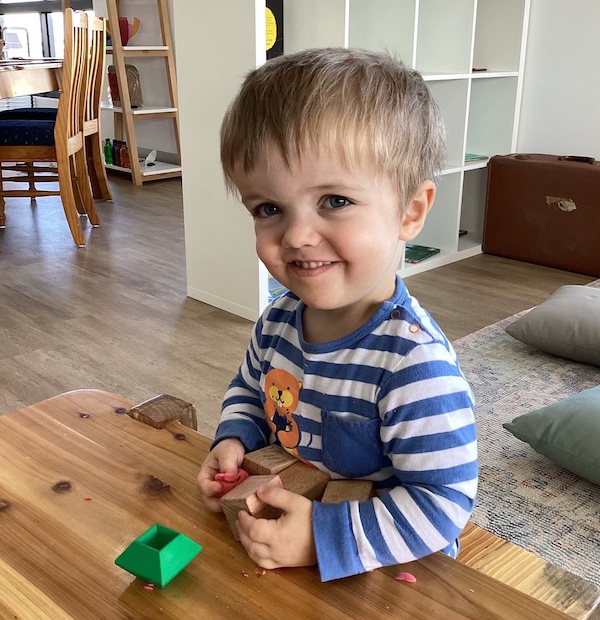
“We did a lot of research into the condition when Casper was born, and there were some very sobering statistics,” Daisy said. “Learning that children with achondroplasia can face serious complications throughout their lives, and that they were reported to be 50 times more likely to die before the age of five than other children, was terrifying.”
She said the findings surrounding vosoritide were particularly reassuring, offering hope that treatment could improve children’s quality of life and help prevent some long-term health complications.
Looking back, Daisy and Justin know how frightening those first days after Casper’s diagnosis were. They had so many questions, so many uncertainties, and no clear picture of what the future would hold.
Source: mcri.edu.au