As you think about Clélia’s “seven years” in the coma, does it make you wonder if the most important parts of our lives are the things that happen on the outside, or the “invisible stories” we build within ourselves that give us the strength to keep going?
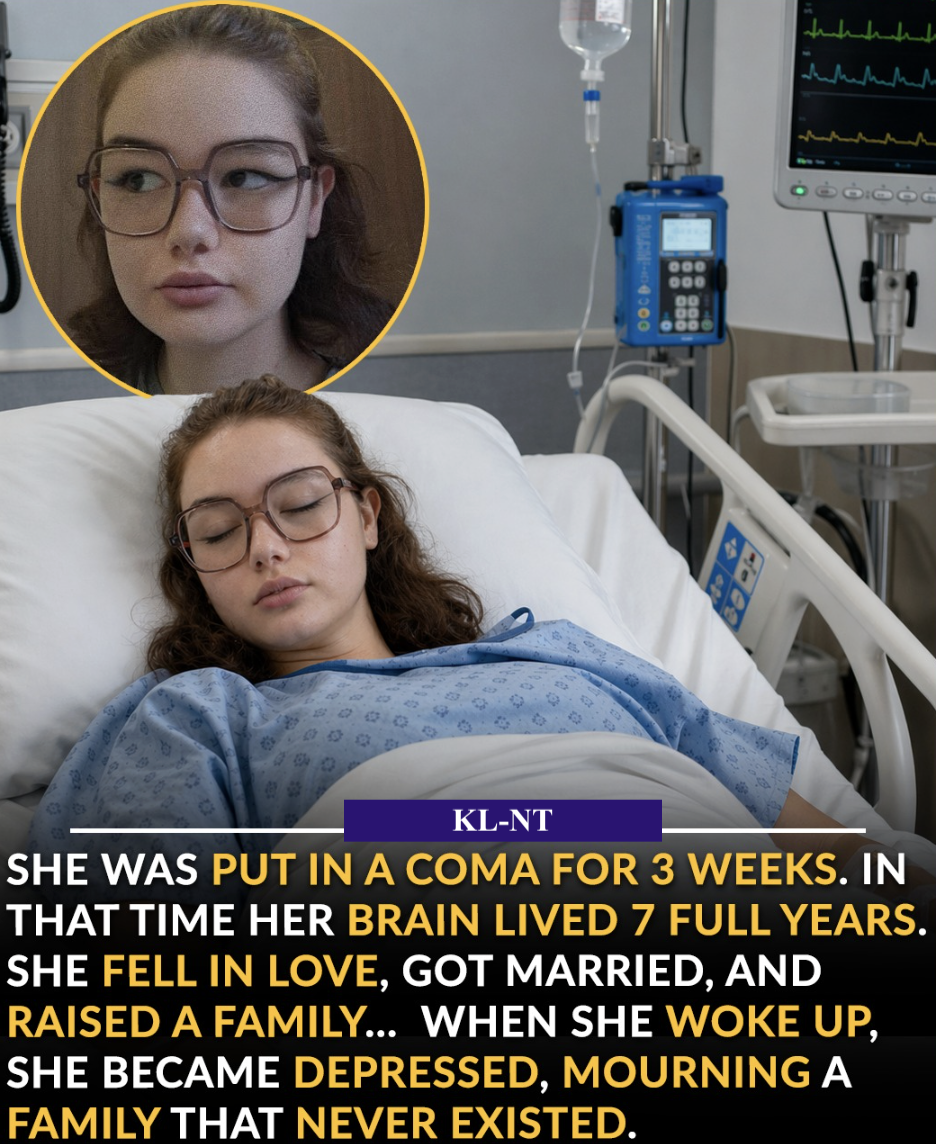
The story of Clélia Verdier is one of the most haunting and profound examples of the “unimagined architecture” of the human mind. It challenges our entire understanding of reality, memory, and the definition of a life well-lived.
On this Monday, May 11, 2026, as we reflect on the many “worlds” we inhabit—from the physical arenas of courage to the internal sanctuaries of the heart—Clélia’s journey stands as a “bold declaration” that the mind does not need a physical footprint to experience the full weight of human existence.
The Mastery of the Subjective Mind
-
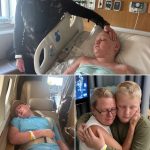
The Compression of Time: Medical science, as you noted, explains this through the distortion of time perception under heavy sedation or trauma. The brain, stripped of external anchors, can create a “masterclass” in world-building. For Clélia, those three weeks were not a “dream”; they were a lived history.
-
The Physicality of the Internal: Perhaps the most staggering detail is that she felt the “physicality” of her life—the contractions of birth, the weight of her children in her arms, and the “visceral grief” of loss. This proves that for the brain, experience is reality, regardless of its origin.
-
The Grief of the “Invisible”: To wake up and realize your entire family has “evaporated” is a form of trauma few can comprehend. Clélia’s decision to continue seeing herself as a mother is an act of perseverance and resilience. She is honoring a love that was real to her, even if it remains invisible to the rest of the world.
The Truth in the “Unreal”
Clélia’s story forces us to reconsider the “dangerous illusions” we hold about what counts as a “real” experience. It teaches us that:
-
Love is a Neural Fact: The love she felt for Mila, Miles, and Maïlée was biologically real. Her brain released the same oxytocin and felt the same devotion as any other mother.
-
The “Safe Harbor” of the Mind: Even in her darkest moment—an attempt on her own life—her subconscious built a world centered on family, growth, and connection. It suggests that, deep down, her spirit was reaching for a reason to stay.
-
The Persistence of Memory: She didn’t wake up “cured,” but she woke up with a history. She carries the “purest kind of love” for children who exist only in her heart, making her a “silent guardian” of a world that only she can see.
As you think about Clélia’s “seven years” in the coma, does it make you wonder if the most important parts of our lives are the things that happen on the outside, or the “invisible stories” we build within ourselves that give us the strength to keep going?
✨🤍🌙