GRAY WHALES ARE WASHING ASHORE DEAD… AND THE REAL CRISIS STARTED THOUSANDS OF MILES AWAY
GRAY WHALES ARE WASHING ASHORE DEAD… AND THE REAL CRISIS STARTED THOUSANDS OF MILES AWAY
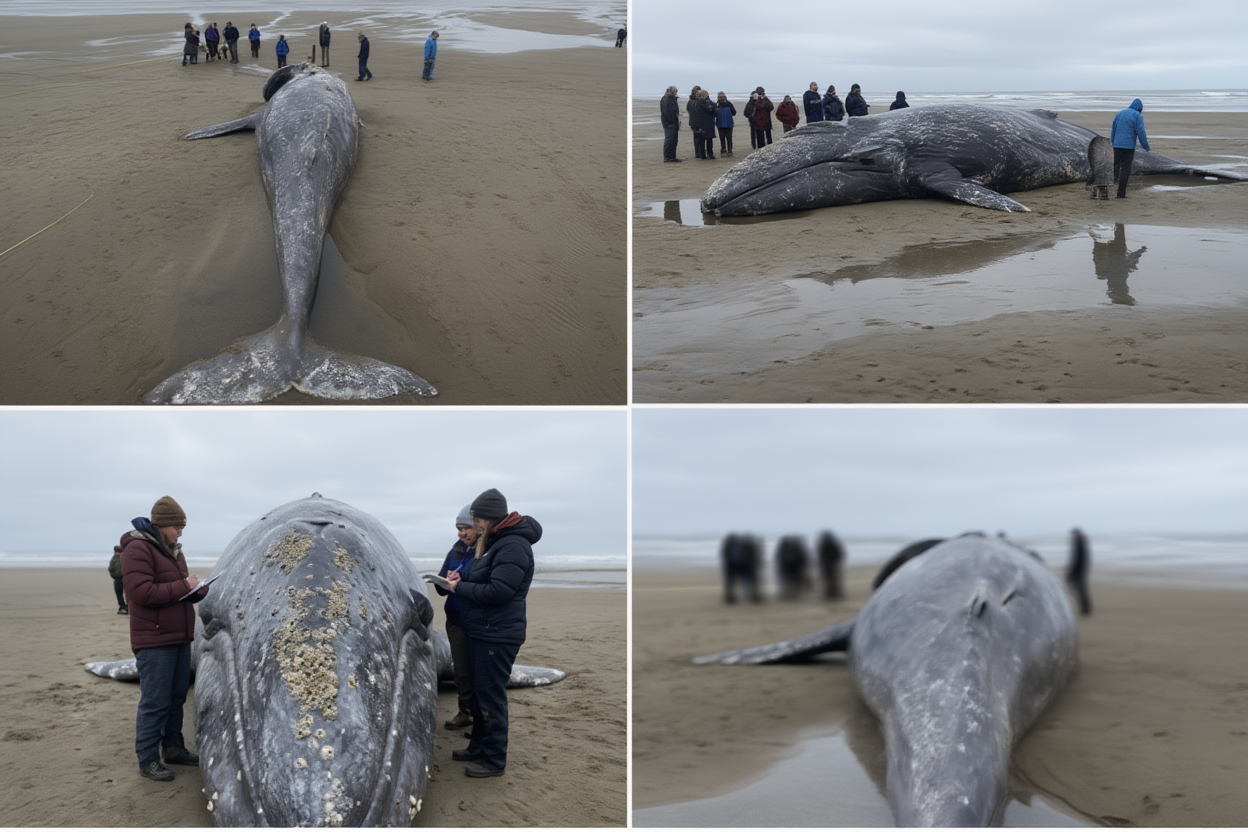
Along the Pacific coast, heartbreaking scenes are unfolding. Dozens of gray whales have been found stranded or dead, their bodies emaciated, a silent testament to a crisis few fully understand. Scientists warn this is not an isolated event — it’s the visible tip of a much larger, ocean-wide catastrophe.
The Invisible Collapse
The problem begins thousands of miles away, in the Arctic’s icy waters. Gray whales rely on rich krill and small crustaceans to build fat reserves that fuel their long migrations. Recent studies show that these critical food sources are vanishing at an alarming rate, likely due to rising ocean temperatures, melting sea ice, and shifting currents.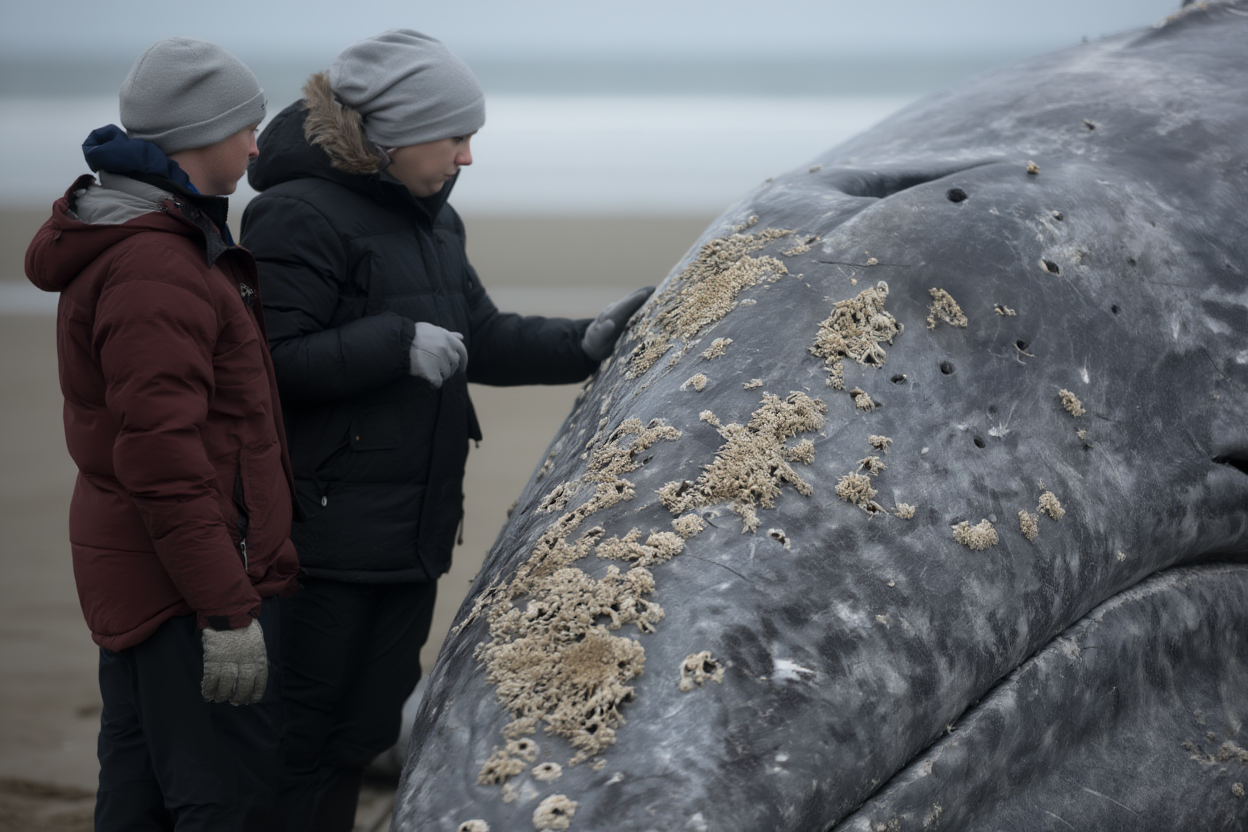
“These whales are literally starving as they migrate,” explains Dr. Elena Vargas, a marine biologist tracking Pacific gray whales. “Many never make it to their feeding grounds. Their bodies burn fat faster than they can replenish it, and eventually, they simply give out.”
Migration Becomes a Death March
Gray whales travel up to 10,000 miles annually, from the cold feeding grounds of the Arctic to the warm lagoons of Baja California to breed and calve. But this year, scientists report record numbers of emaciated whales along the West Coast of North America.
“It’s like watching a marathon runner collapse before the finish line,” Dr. Vargas says. “The ocean is changing faster than these giants can adapt.”
A Warning from the Deep
The deaths of gray whales are more than tragic stories — they are canaries in the coal mine for the ocean ecosystem. Whales play a crucial role in marine health: their feeding stirs nutrients, and their excrement fertilizes plankton, which supports the entire ocean food web. A decline in whale populations reverberates through every level of the marine ecosystem — and eventually, it affects humans too.
Scientists Sound the Alarm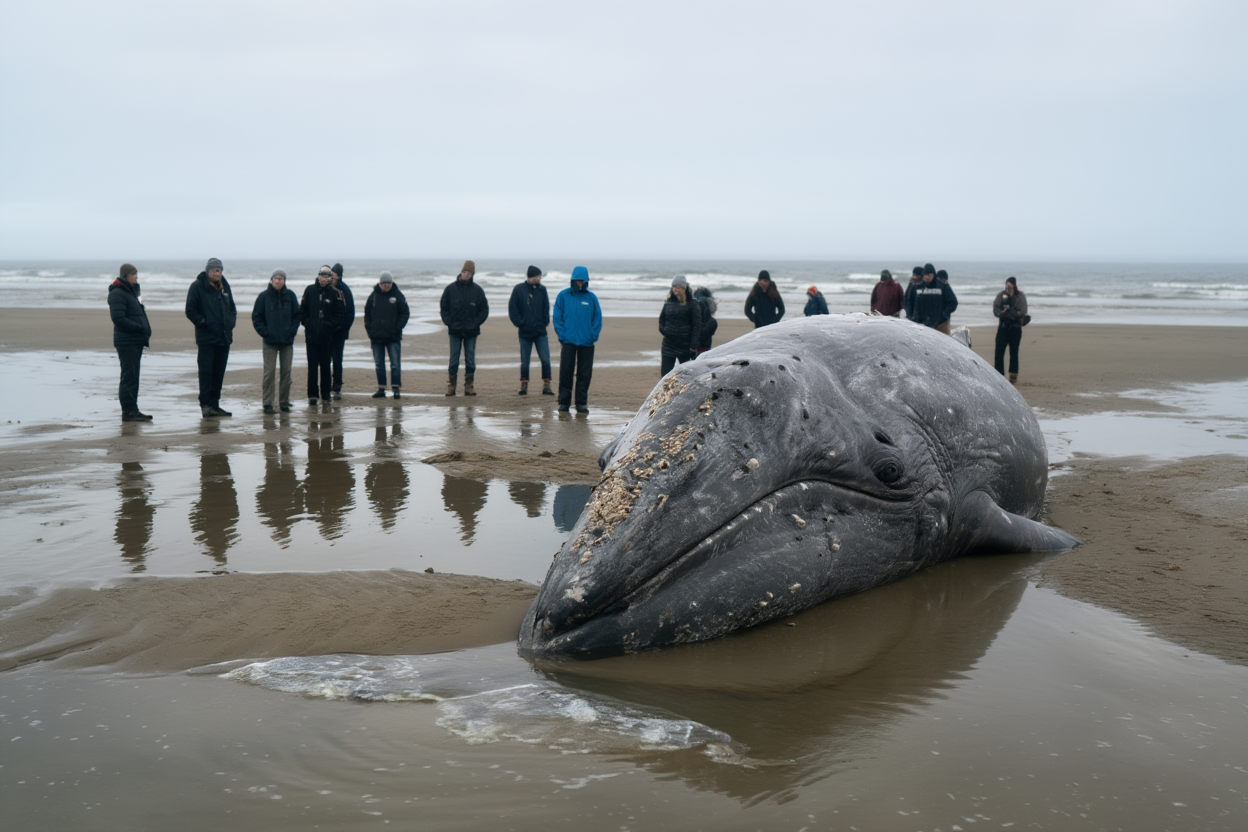
Researchers are calling for urgent global action to address the root causes of this crisis:
- Reducing greenhouse gas emissions to slow ocean warming.
- Protecting Arctic habitats from industrial disruption.
- Supporting real-time monitoring of whale health and migration patterns.
- Raising public awareness about the hidden consequences of climate change.
The Ocean Is Speaking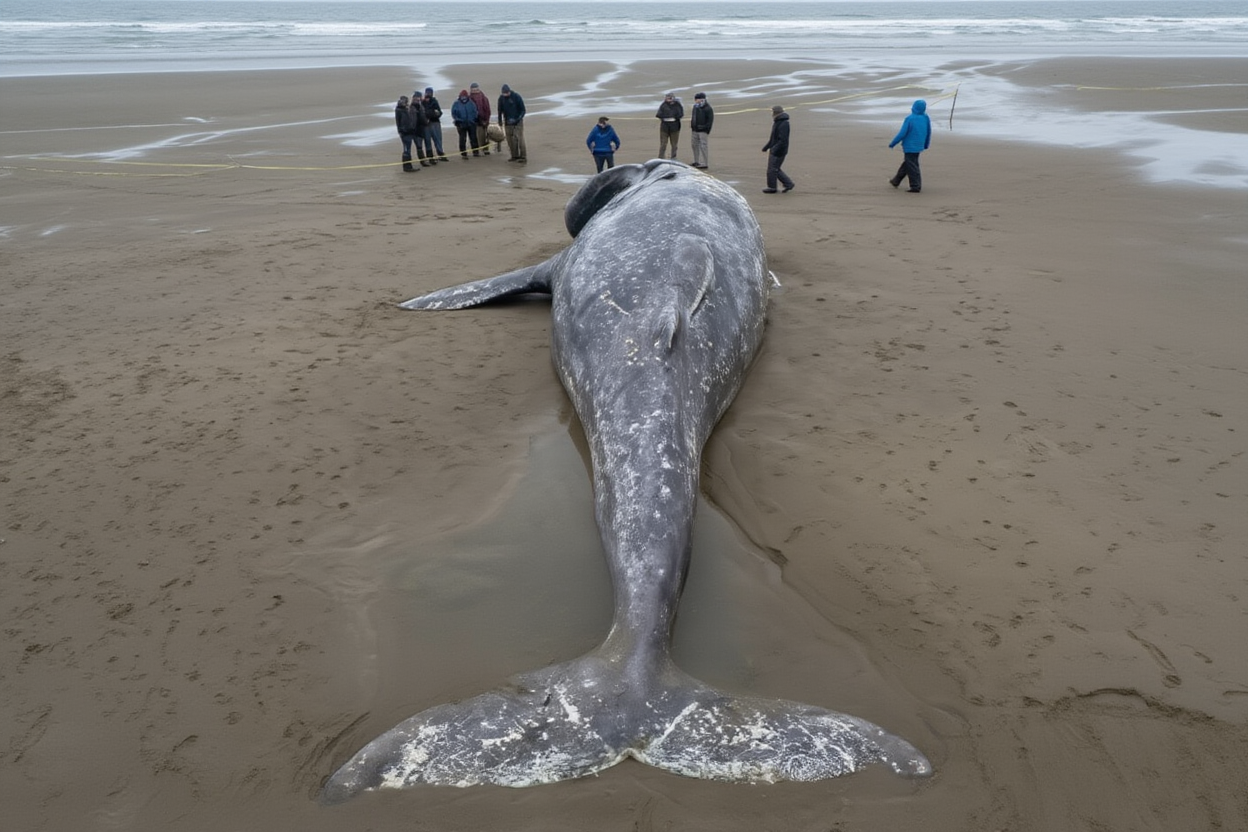
These gray whales, once symbols of endurance and resilience, are now warning us: the oceans are changing faster than life can adapt. Every stranded whale is a plea from the deep, a call for humanity to rethink how we treat our planet.
Take Action
Even small efforts — supporting marine conservation organizations, advocating for climate policies, reducing single-use plastics — help protect the whales and the ecosystems they sustain. The time to act is now.