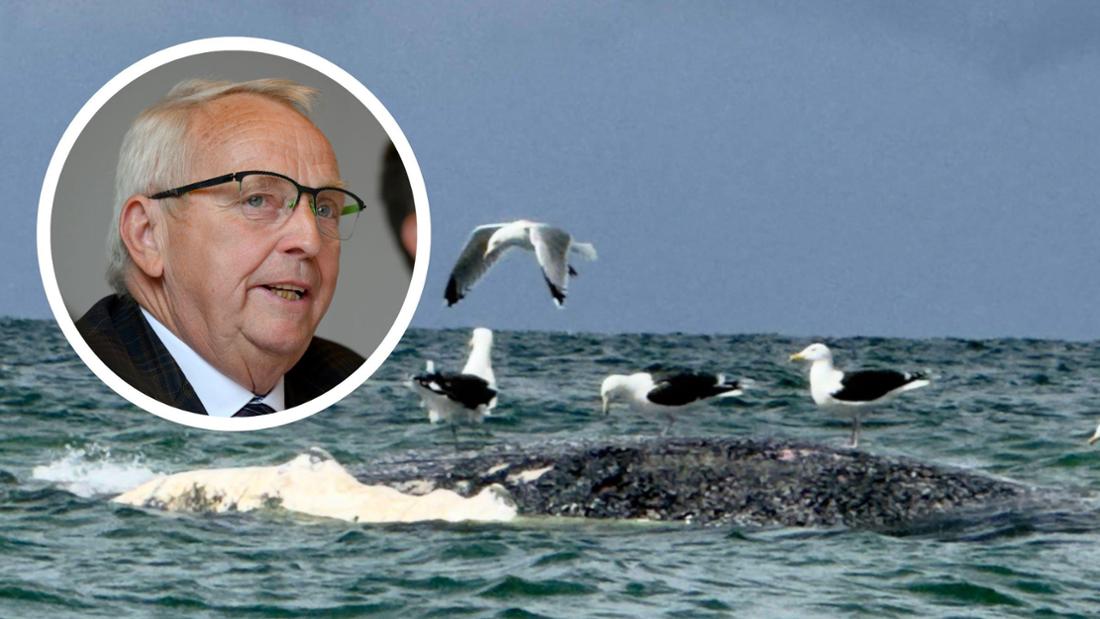
TIMMY THE WHALE STAYS IN THE NORTH SEA — CONTROVERSY IGNITES
TIMMY THE WHALE STAYS IN THE NORTH SEA — CONTROVERSY IGNITES
The Danish Environment Agency has confirmed it will not recover the whale carcass, allowing Timmy to remain in the ocean and decompose naturally. 🪸
But the decision has sparked worldwide debate after a key detail emerged: Timmy was likely female. This revelation adds emotional weight and raises questions about the future of the species.
Two Sides of the Debate
Critics argue the response was too slow, suggesting that timely intervention might have saved Timmy.
Supporters say leaving her in the sea respects the natural cycle, feeding marine life and supporting the ecosystem.
The discussion is no longer just about a single whale — it’s about how humans interact with nature, what we consider intervention, and where we draw the line between rescue and ecological respect.
Hidden Threats Lurking
Experts remind us that whale strandings are rarely accidents. Many are linked to invisible human threats:
- Ghost nets drifting in the deep, trapping whales and other wildlife.
- Ship strikes along busy routes, often leaving no chance for rescue.
- Pollution and noise, affecting whales’ navigation, communication, and feeding.
Timmy’s case highlights a broader truth: our actions — or inactions — ripple through the oceans, affecting all marine life.
The Big Question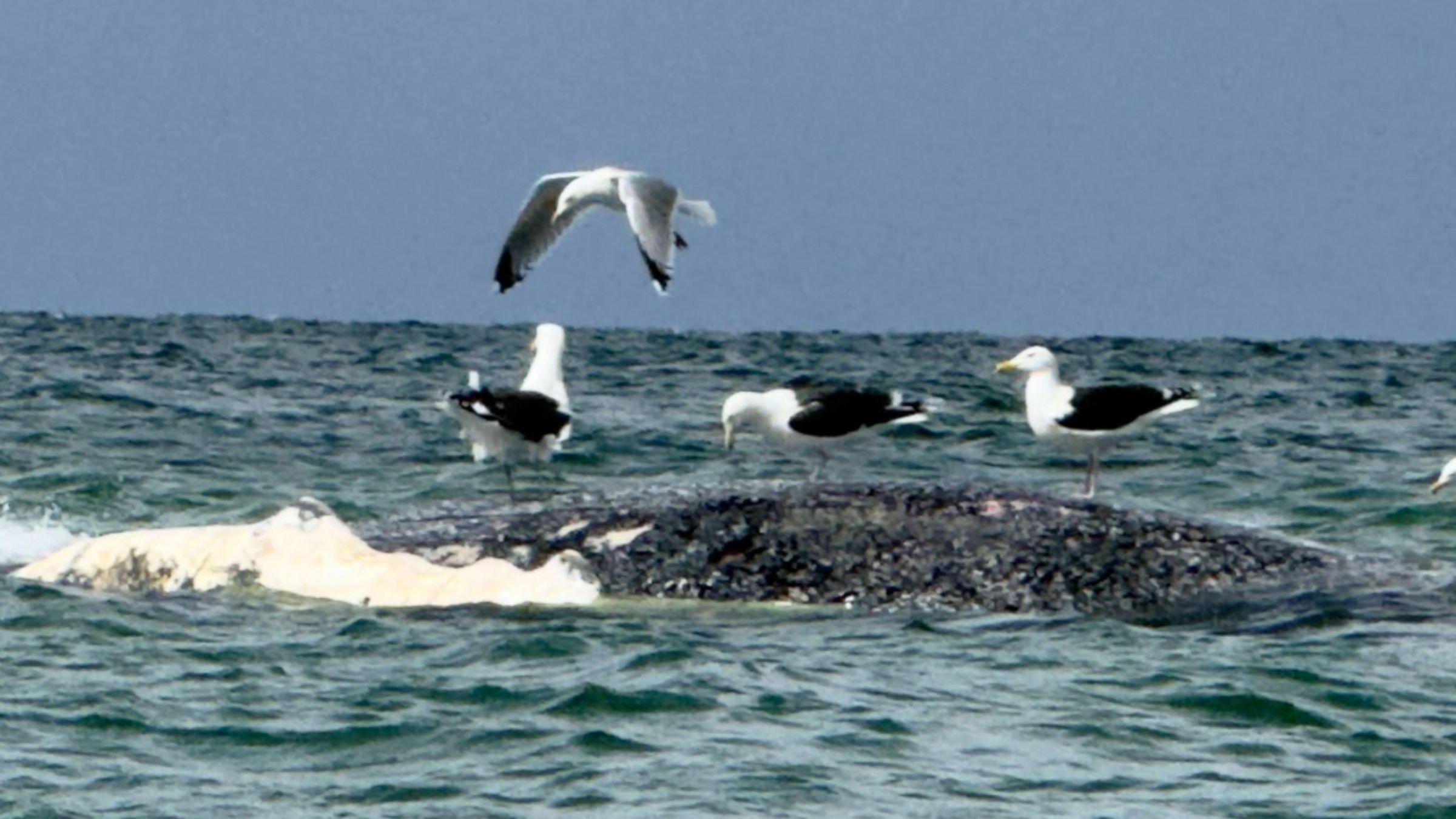
Now the case has become a global conversation:
Intervene faster or let nature take its course?
Do humans bear responsibility for every stranded whale?
And how often do we miss the unseen dangers beneath the waves?
Because in the ocean…
what we don’t see can change everything.
Timmy’s story is more than a whale tragedy — it is a lesson, a debate, and a reminder that responsibility toward the ocean is in all our hands.