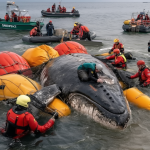
TIMMY THE WHALE STAYS IN THE NORTH SEA — BUT QUESTIONS ARE SPREADING FAST
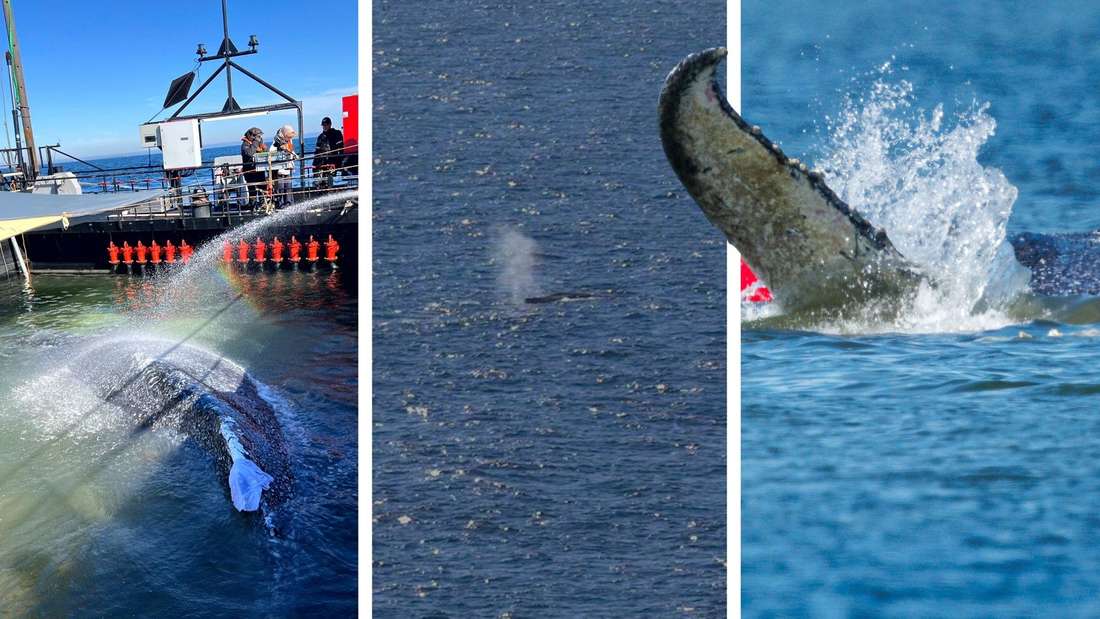
TIMMY THE WHALE STAYS IN THE NORTH SEA — BUT QUESTIONS ARE SPREADING FAST
The Danish Environment Agency has decided not to recover the dead humpback whale for now, letting it remain in the ocean and become part of the natural cycle, feeding marine life. 🪸
But the case has gained renewed attention after a surprising detail emerged:
Timmy appears to be female.
And suddenly, the discussion isn’t just about one whale anymore.
The Debate Explodes
Critics argue the response may have come too late, suggesting that faster coordination or intervention could have changed the outcome.
Supporters insist the decision was correct, respecting natural processes and allowing the ecosystem to reclaim what was lost.
The debate has now grown online:
Should humans intervene faster in whale strandings — or step back completely?
Hidden Dangers in the Ocean
Scientists remind us that many strandings are not purely natural. Ghost nets, ship strikes, underwater noise, and human interference silently impact marine life every day.
Even when humans are not directly responsible, these factors create conditions that make strandings more likely or more deadly. Timmy’s case is a sobering reminder that our oceans are under constant pressure.
Lessons From Timmy
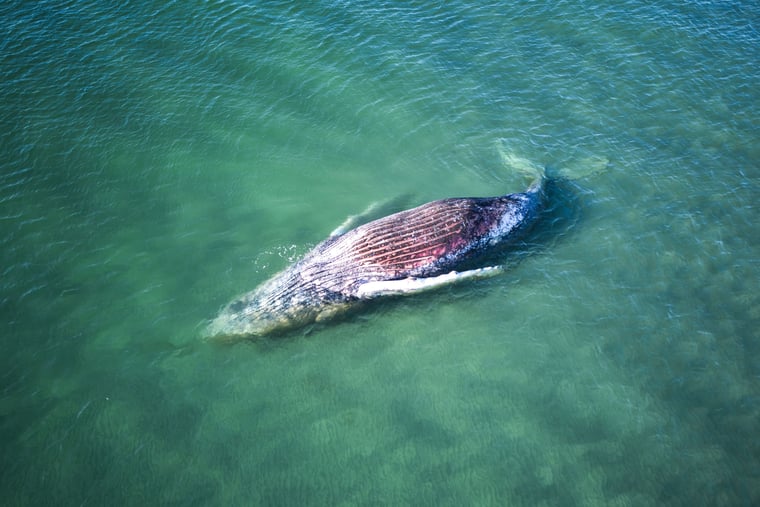
This story highlights several key truths:
- Rapid response in marine emergencies can save lives, but preparation and coordination are essential.
- Sometimes, allowing nature to take its course can support broader ecological cycles, including feeding countless smaller organisms.
- Every whale stranding is a mirror reflecting human responsibility — and the invisible ways we shape the ocean’s future.
The Bigger Question
Timmy’s story is more than a single stranded whale. It raises a critical question for humanity:
Are we truly acting to protect marine life — or are we simply arriving too late?
Every strand, every intervention, every decision matters. And as this debate continues, one thing is clear: the fate of the oceans is tied to how we choose to respond.