NOT TERMINATING A PREGNANCY DESPITE DOCTORS’ ADVICE, THE AUSTRALIAN COUPLE RECEIVED A HAPPY ENDING
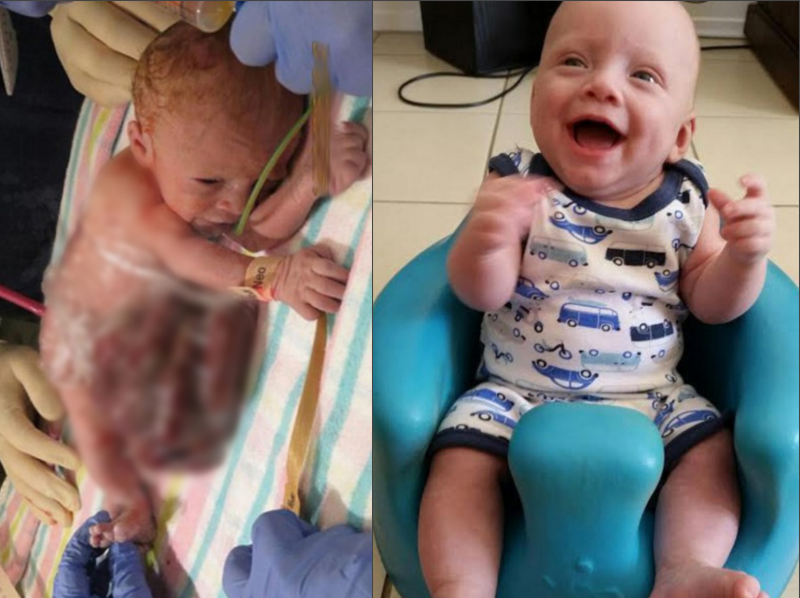
Holly Hodgson, a young mother living in Brisbane, Australia, discovered her unborn child had a congenital defect during a 12-week ultrasound. The ultrasound revealed the baby’s intestines were outside the body through a small opening in the abdomen.
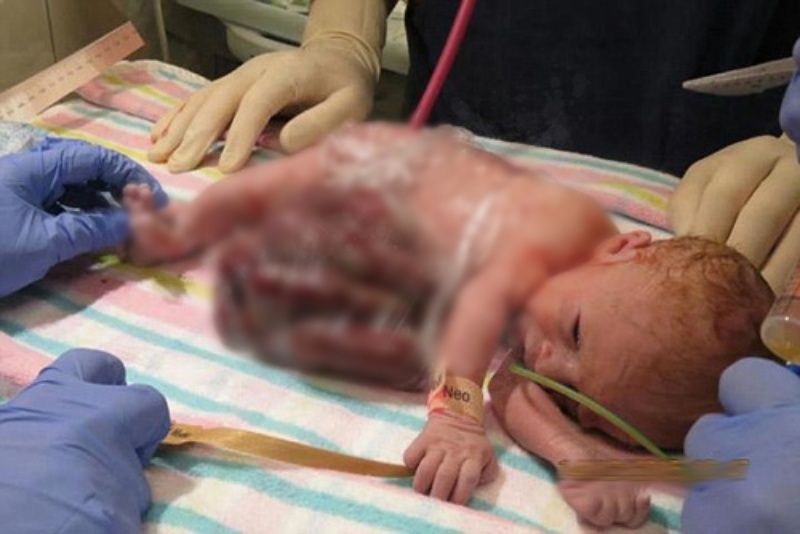
At the time, the doctor advised her and her husband to terminate the pregnancy, citing three similar cases he had encountered. According to the doctor, Hodgson should have an abortion to better understand the defect and avoid future risks.
However, Holly and her husband decided to keep the baby as it was their first child. After researching online, the young couple were surprised to find that 95% of newborns diagnosed with intestines protruding from the abdomen still have a chance of survival.
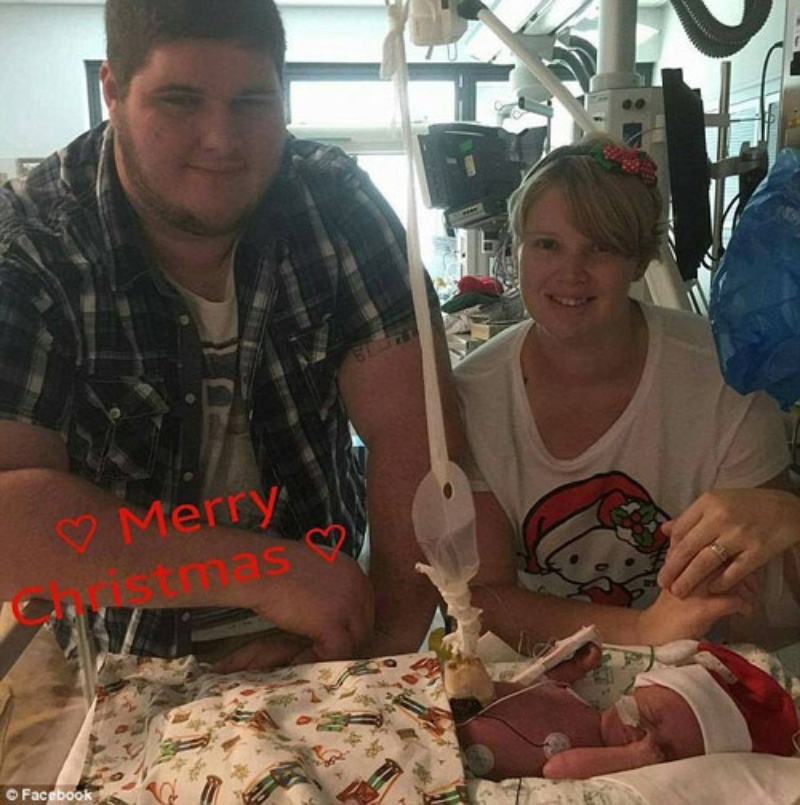
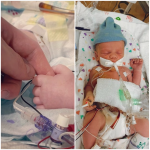
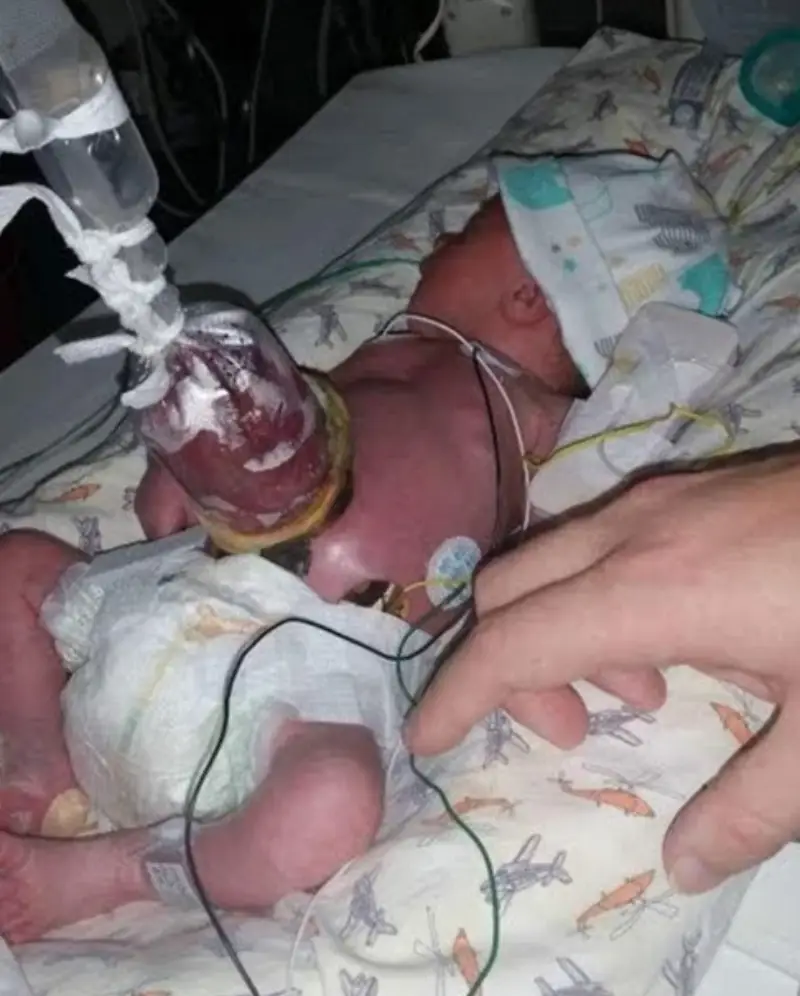
The Hodgsons’ baby, Teddy, was born on December 14th. Doctors placed a silo containing internal organs outside the abdominal cavity for nearly two weeks to allow the stomach to develop and the organs to be returned inside. During this time, Hodgson was very worried because Teddy was so small. But in the end, the baby overcame the difficulties and was discharged from the hospital eight weeks after birth.
Hodgson said she also shared the good news with the doctor who had advised her to abort the fetus, but he only congratulated her without even an apology.
Now, Teddy is eight months old, a lovely child who loves to play and laugh with everyone, including strangers. “He’s so cute,” Hodgson said.
According to Mater Maternity Hospital in Brisbane, 90-95% of newborns diagnosed with the rare congenital defect called gastroschisis (where the intestines protrude from the abdomen, like Teddy’s case) survive during pregnancy. This means that 5 to 10% of babies with gastroschisis will not survive after birth.

“If a baby with gastroschisis is born alive, 10% (or 1 in 10) will have problems after birth, including dead bowel or short bowel syndrome, infection, or surgical complications that could be fatal,” according to research from Mater Maternal Hospital.