RIP Timmy: The Whale Who Touched the World
RIP Timmy: The Whale Who Touched the World
A Lost Giant in the Baltic Sea
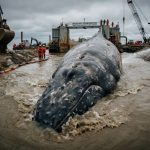
Timmy, a humpback whale, captivated the world as he wandered far from his natural habitat, stranded along the northern coast of Germany in the Baltic Sea. For weeks, his presence in unfamiliar waters sparked both awe and concern. While some urged authorities to let nature take its course, others refused to stand idly by, determined to intervene.
The debate was fierce: was it worth risking effort to save a single whale? Captain Paul Watson, a renowned marine conservationist, offered a simple but profound perspective:
“Was it a wasted effort to rescue one whale? I don’t think so. It was a moment for people to care and to get involved.”
The Rescue That Almost Was
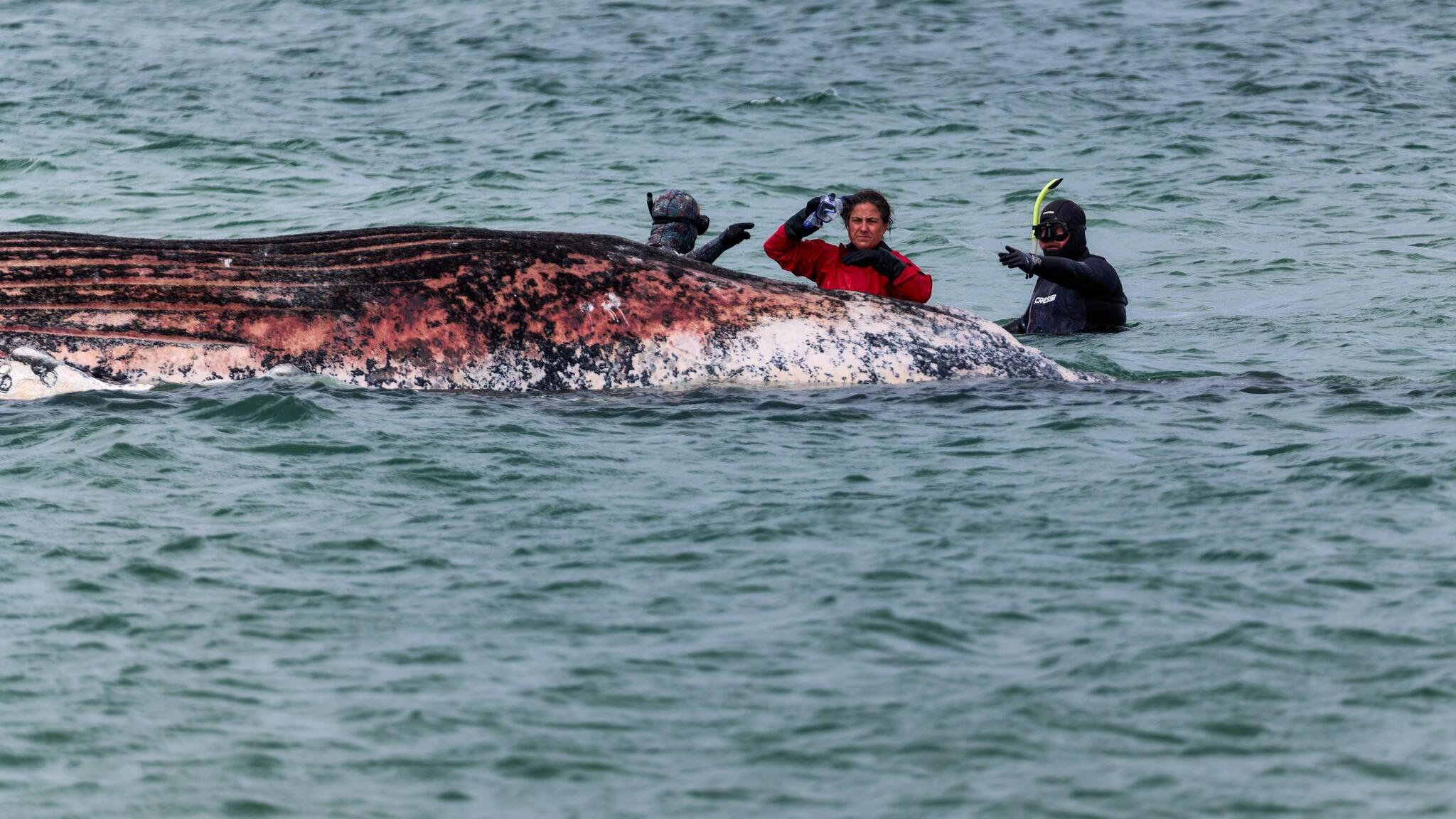
Efforts to save Timmy were monumental yet fraught with challenges. Weeks of bureaucratic delay slowed action, while the whale endured the physical and emotional strain of the rescue attempts. Experts speculate that Timmy may have been suffering from terminal illness or a digestive system clogged with plastic. Without an autopsy, the exact cause remains unknown.
Still, the rescue attempt meant Timmy did not die a slow, painful death on the muddy shores of Germany. Instead, he died free, in the sea, knowing that humans cared enough to try.
“People cared, and some cared enough to get involved, to try and physically do something to save Timmy,” Watson reflected.
A Global Response
Timmy’s story quickly went viral. Videos of his struggle, images of his massive frame navigating shallow waters, and live updates on social media drew the attention of millions around the globe. News outlets from Europe to North America covered his journey, turning one whale’s plight into an international symbol of compassion.
The rescue effort, though ultimately unsuccessful, reminded the world of the power of empathy. Millions of people, many of whom had never seen a whale in real life, were inspired to care, act, and reflect on humanity’s responsibility toward the natural world.
The Bigger Picture: Why One Whale Matters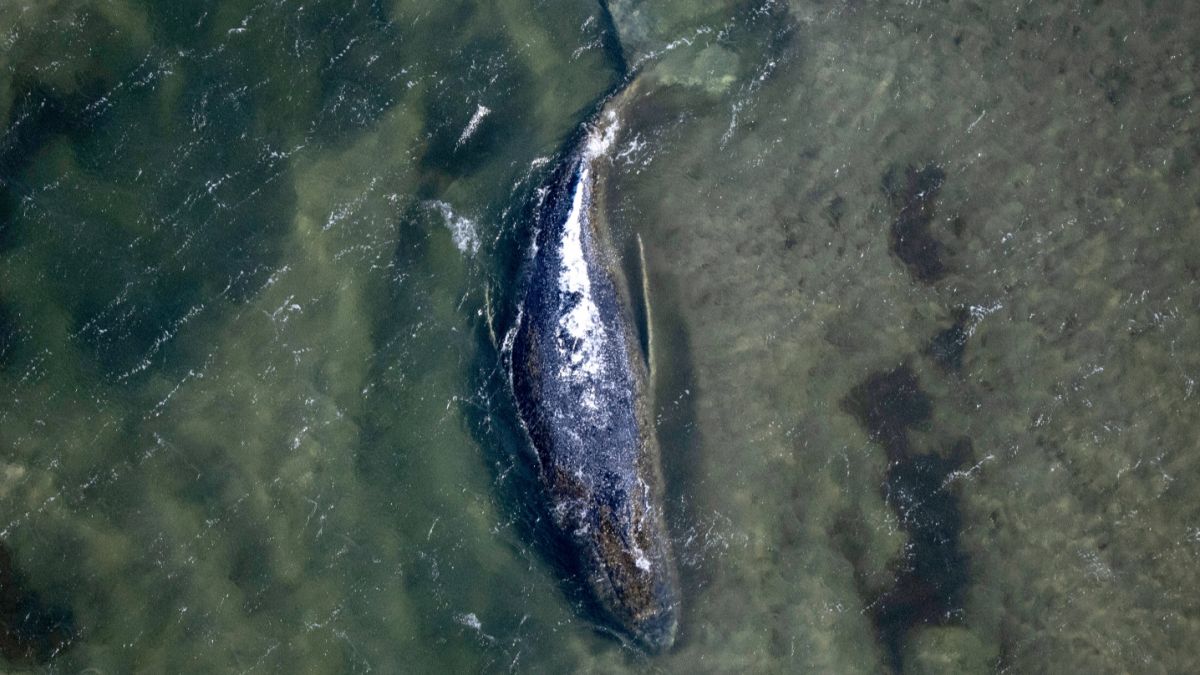
Timmy’s life and death are more than a single story—they are a wake-up call. Thousands of whales die every year in fishing nets, suffocate on plastic waste, or are threatened by climate change and habitat destruction. Timmy’s struggle underscores the urgency of protecting marine life and respecting the fragile ecosystems that sustain them.
Caring for Timmy may have seemed small, but the hope is that it sparks larger action. By connecting millions of people to a single whale, his story has encouraged awareness and advocacy for all marine life.
Legacy of Compassion
Timmy is gone, but his impact endures. From the northern shores of Germany to the farthest reaches of the globe, people have been reminded of their capacity for empathy and action. He leaves behind a legacy not of sorrow, but of the power of caring—a legacy that challenges us to protect the whales, dolphins, and countless other creatures who cannot speak for themselves.
“What did caring for this one whale mean? Hopefully, it will translate into thinking about and being concerned for all whales, including the thousands that die in fishing nets every year,” Watson said.
Timmy may have passed, but his story remains a testament: when humans act with compassion, even one life can inspire millions.