Brazil Rope Jump Tragedy: 21-Year-Old Woman Dies After Reported Safety Failure
A tragic extreme-sports incident in Brazil has left the public shocked and heartbroken after a 21-year-old woman lost her life during a rope-jump activity.
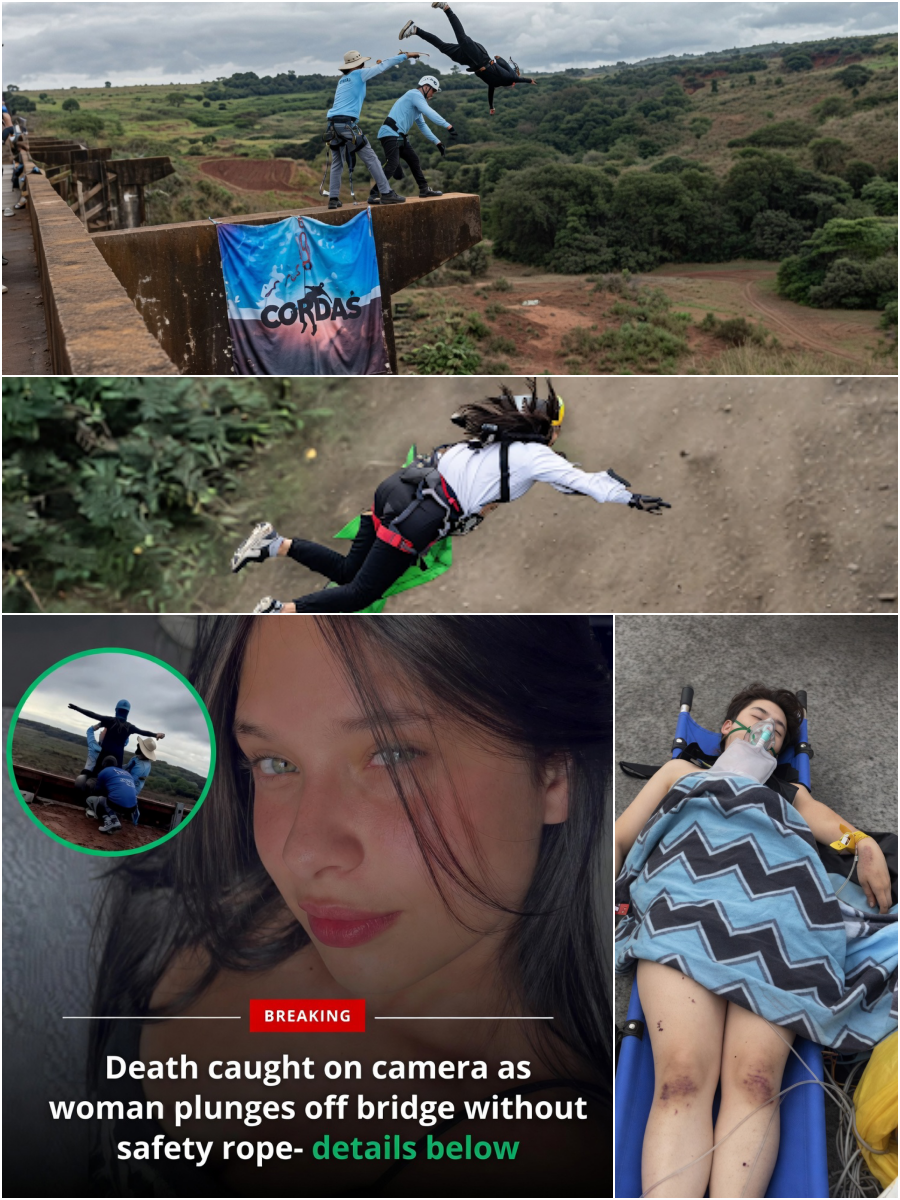
The incident happened on the morning of June 13, 2026, at Ponte do Esqueleto, also known as Skeleton Bridge, in Limeira, São Paulo. The victim was identified as Maria Eduarda Rodrigues de Freitas. She was taking part in a rope jump, an activity often mistaken online for bungee jumping. Unlike bungee jumping, rope jumping uses climbing-style ropes with limited elasticity, creating a swinging motion similar to a pendulum.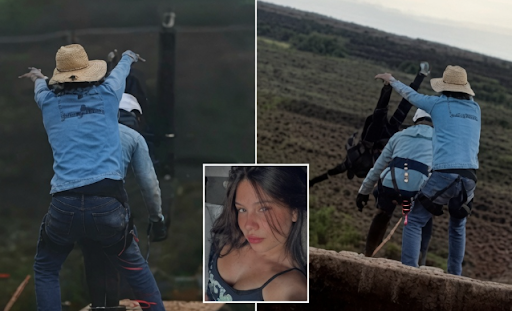
According to Brazilian police, Maria was launched from the bridge, which is about 40 meters, or 130 feet, high, while she was reportedly not connected to the main safety line. Investigator Andrea Levy stated that three instructors involved in the activity admitted Maria had not been attached to the safety cord before the jump, but they could not identify who was responsible for checking the equipment.
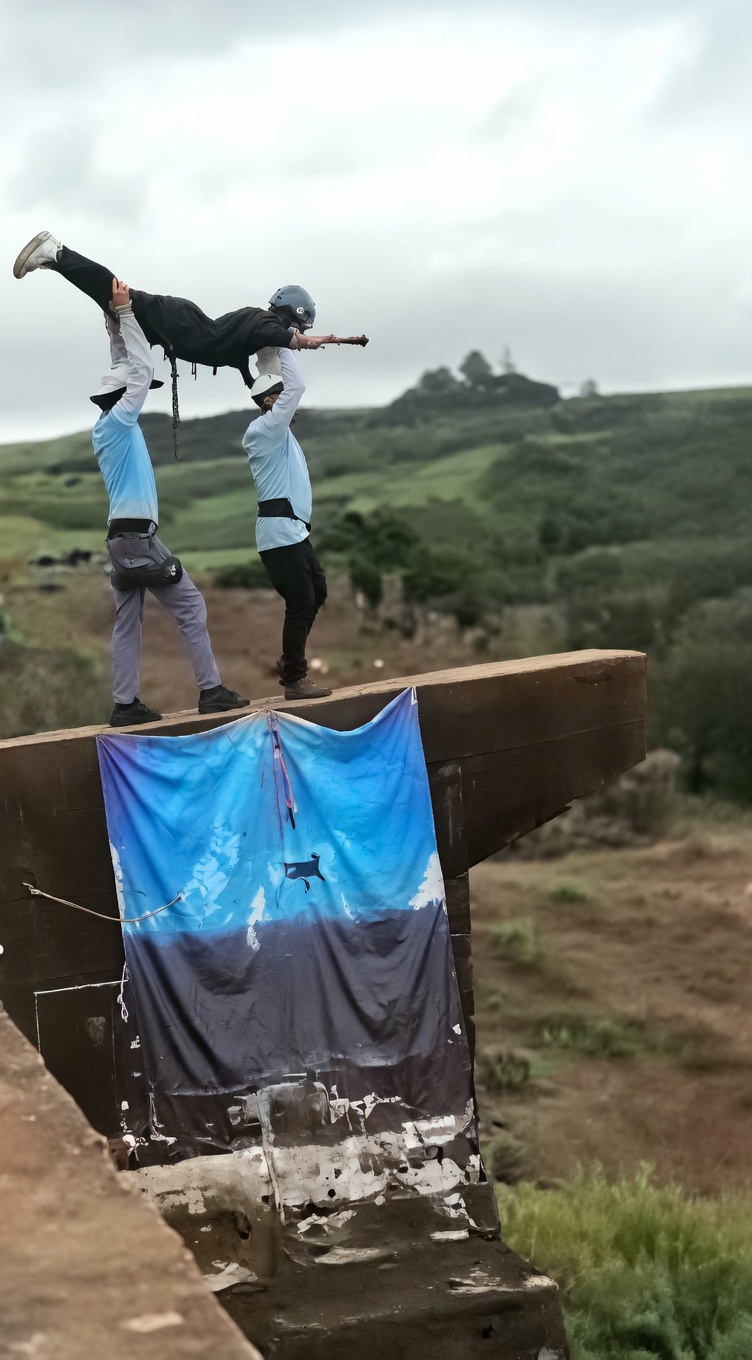
Footage circulating online shows Maria being moved toward the edge of the bridge in an “airplane-style” position. Moments later, witnesses reportedly realized that the safety rope was still on the bridge. People at the scene attempted CPR before emergency responders arrived, but Maria was pronounced dead at the location due to multiple traumatic injuries.
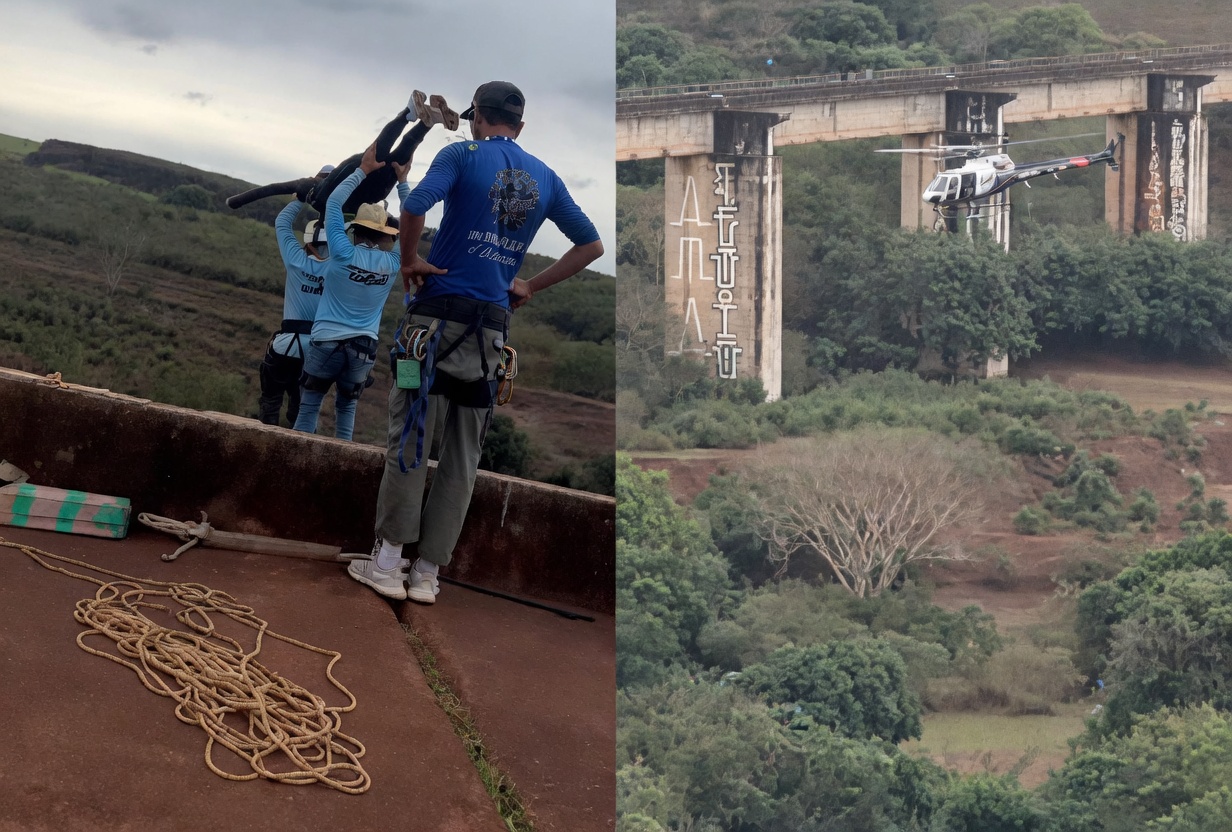
Three men connected to the activity have since been arrested and are being investigated under the legal classification of “homicídio com dolo eventual,” which can be understood as accepting the risk that an action could result in death. A court in Limeira later converted their arrest into preventive detention, meaning they will remain in custody while the investigation continues.
One heartbreaking detail is that Maria had posted photos from the location on social media shortly before the tragedy. What should have been a day of excitement and adventure ended in an unimaginable loss.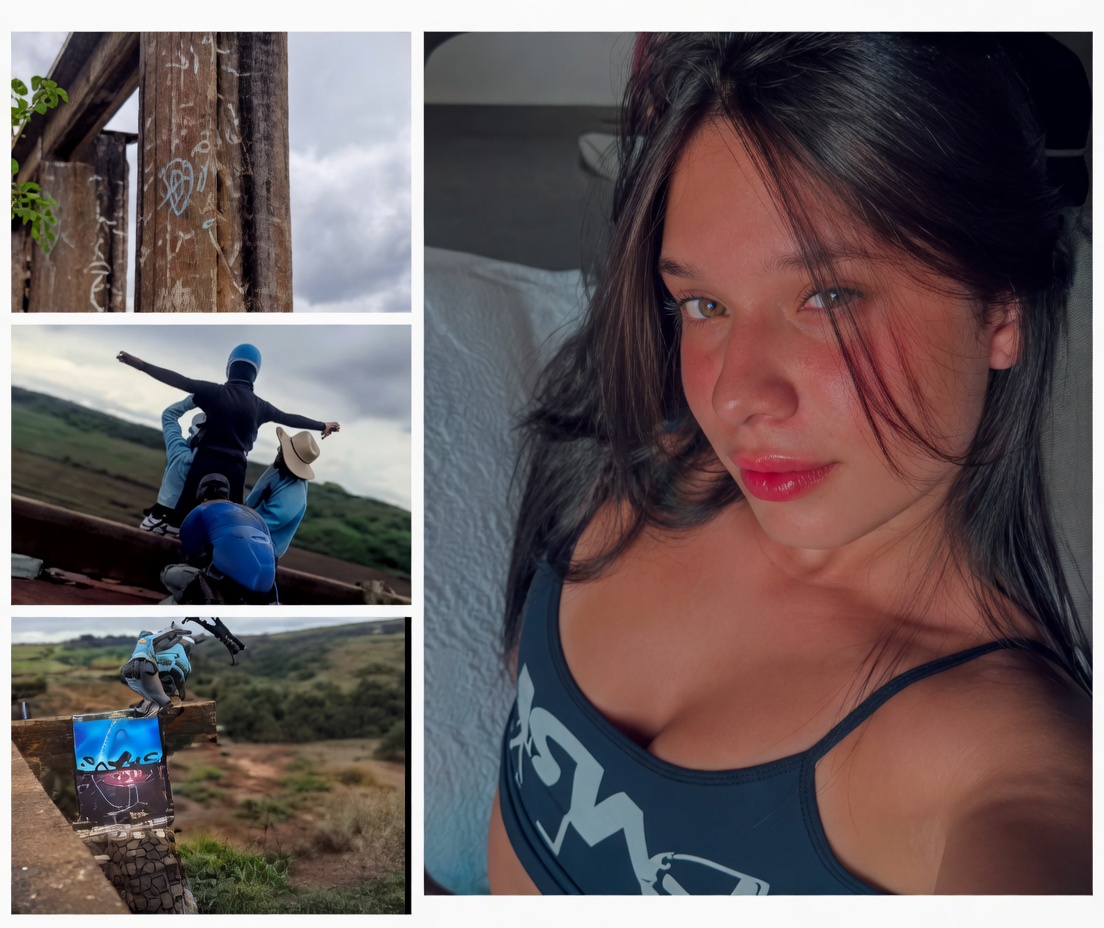
The case has sparked anger across Brazil and beyond, raising serious questions about safety checks, professional responsibility, and the regulation of extreme-sport activities in risky locations.
Maria’s death is now being remembered not only as a tragedy, but also as a painful warning: in adventure sports, one missed safety step can cost a life.