Animal Cruelty Cases Are Sparking a Global Debate: Should Severe Abusers Ever Be Allowed to Own Pets Again?
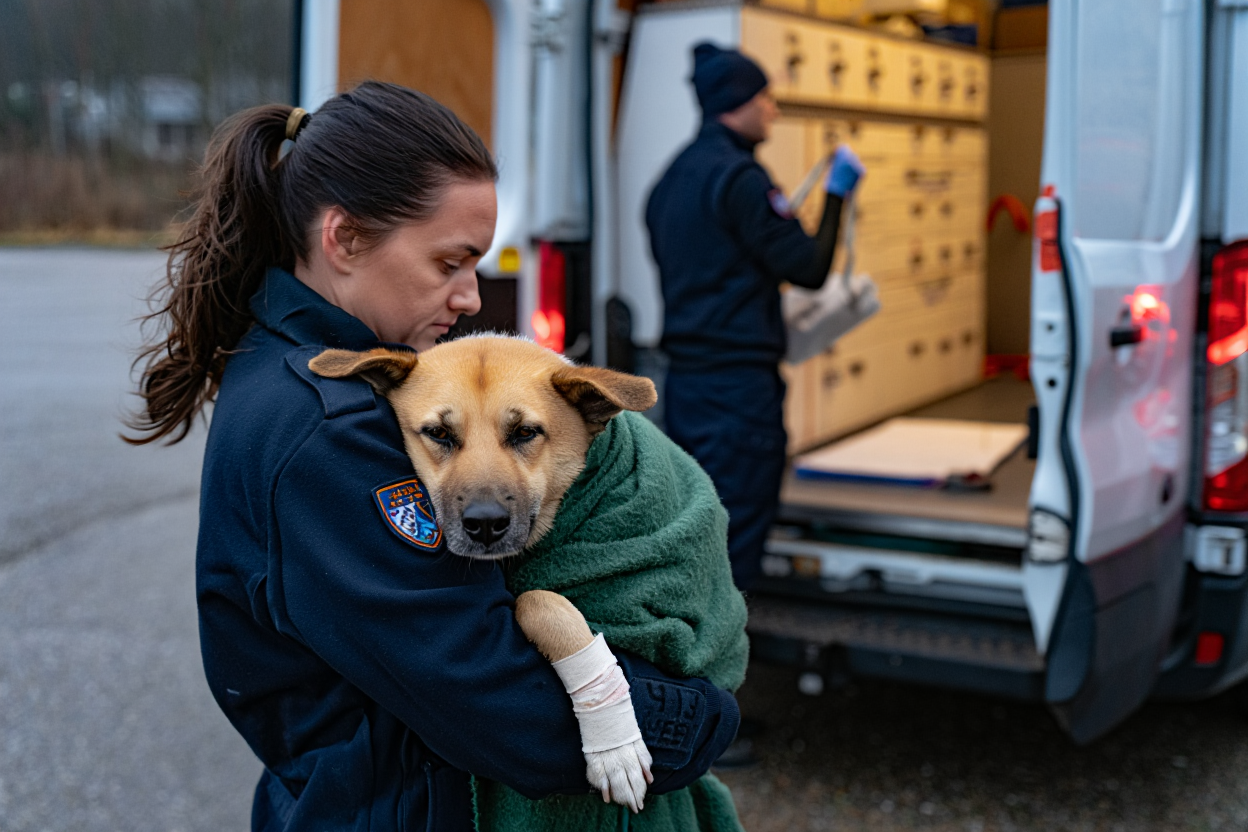
Animal Cruelty Cases Are Sparking a Global Debate: Should Severe Abusers Ever Be Allowed to Own Pets Again?
Across the world, high-profile cases of animal abuse are forcing society to confront a difficult question: Should people convicted of serious cruelty ever be allowed to care for animals again?
Many animal welfare advocates argue for lifetime bans on pet ownership after severe abuse. Their reasoning is simple yet urgent: animals are completely dependent on humans for survival, care, and safety. A history of cruelty, neglect, or violence is often seen as a clear warning that future animals could be put at risk. 
Intentional abuse can leave lasting physical and psychological scars on survivors. Animals that have suffered trauma may experience anxiety, aggression, fear, or lasting health problems. Advocates emphasize that prevention is not only about punishment — it is about protecting vulnerable lives for the long term.
Yet, the issue is complex, and legal experts, policymakers, and animal welfare groups debate how laws should strike a balance between protection, justice, and rehabilitation:
- Accountability: How can the justice system ensure offenders face consequences appropriate to the harm they caused?
- Rehabilitation: Is it possible for offenders to change, and how can programs or monitoring support responsible behavior in the future?
- Public Safety: Beyond animals, do some offenders pose a broader risk to their communities?
- Long-term Animal Welfare: What strategies and legal mechanisms best prevent future abuse and ensure lasting protection for animals?
Globally, organizations are pushing for reforms, including:
Stronger cruelty laws that carry meaningful penalties
Better reporting and intervention systems to respond quickly to abuse
Tougher enforcement for severe cases, including monitoring and restrictions on pet ownership
The debate often sparks emotional responses because it touches both ethical and practical concerns. Many agree that the welfare of the animal must come first, but others emphasize the role of rehabilitation and second chances in a fair legal system.
One principle unites most people: Animals deserve safety, compassion, and responsible care — always.
The conversation continues: Should lifetime bans be the standard for severe abuse cases, or can some offenders demonstrate true change under strict supervision? Each discussion, law reform, and awareness campaign brings us closer to ensuring that vulnerable animals are never left unprotected.