SHOULD SOMEONE WHO HURTS ANIMALS EVER BE ALLOWED TO OWN THEM AGAIN?
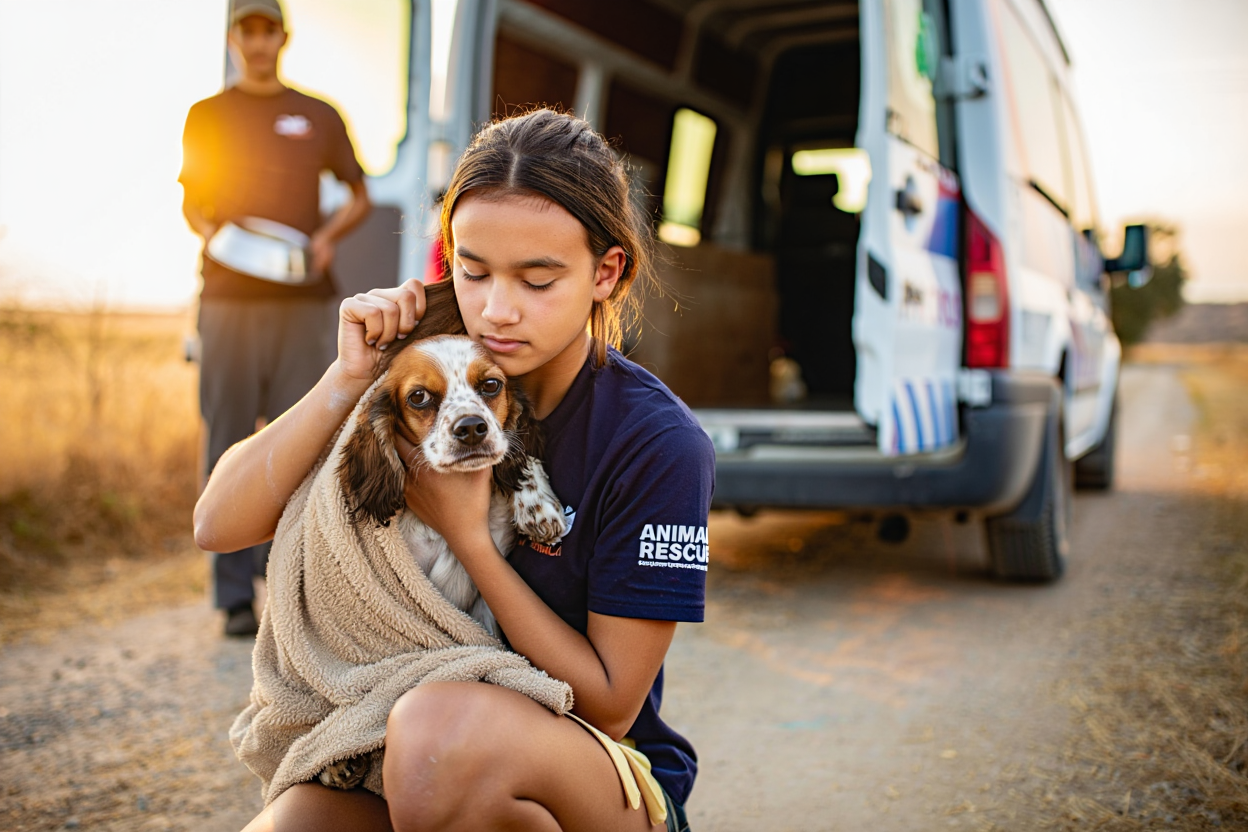
SHOULD SOMEONE WHO HURTS ANIMALS EVER BE ALLOWED TO OWN THEM AGAIN?
It’s one of the most heated debates in animal welfare today — and there is no simple answer. Every year, cases of neglect, abuse, and cruelty remind us of a difficult truth: animals are completely dependent on humans for safety, care, and survival.
On one side, advocates for lifetime bans argue that the risk is simply too high. Animals cannot speak for themselves, defend themselves, or escape bad care. A proven history of severe cruelty is a warning sign — one act of abuse can create lifelong trauma for surviving animals, affecting their behavior, health, and trust in humans.
Experts in veterinary care and animal behavior emphasize that even after rescue, animals may carry scars — physical and emotional — that can last a lifetime. This reality makes prevention essential, and for many advocates, permanent restrictions are the only way to ensure safety.
But the issue is complex. Lawmakers, judges, and animal welfare experts also consider whether the justice system should allow for rehabilitation and reform:
- Can people truly change? Are there cases where education, therapy, or monitoring can prevent future harm?
- Should rehabilitation matter in law? How do we balance punishment with the possibility of responsible second chances?
- Where is the line between justice and mercy? Is it fair to deny someone all contact with animals for life?
- How do we protect animals while considering human reform?
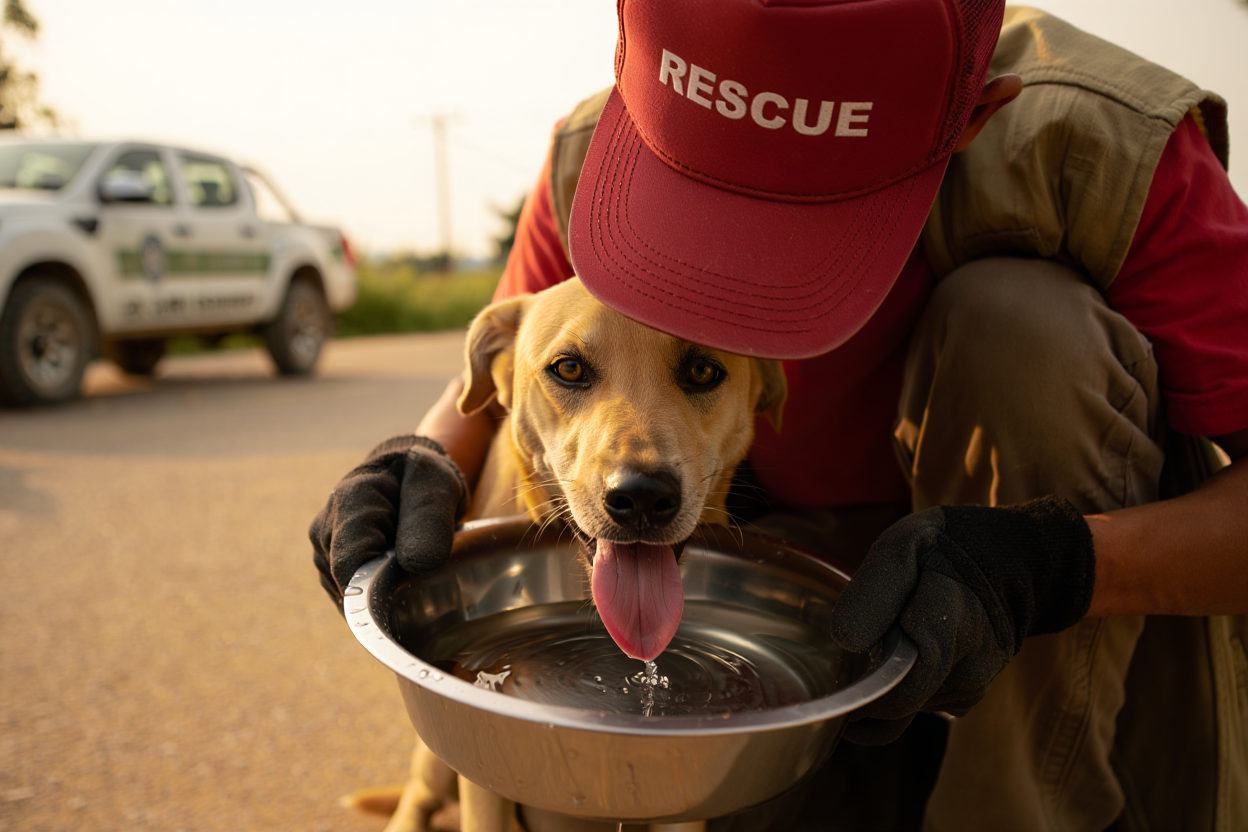
Globally, animal welfare groups continue to push for improvements in law and enforcement:
Stronger cruelty laws with clear penalties for offenders
Faster reporting and intervention systems to stop abuse before it escalates
Harsher penalties and monitoring for those convicted of severe abuse
Despite these debates, one truth cuts across all sides:
Animals are not property — they are living beings that depend entirely on human responsibility.
The question remains unresolved: Should society ever allow “second chances” to take priority over the safety and well-being of vulnerable animals?
It’s a question that challenges our sense of justice, compassion, and responsibility — and it is one that continues to spark vital conversations in homes, courts, and animal welfare organizations worldwide.