END OF STORY? “TIMMY” – DEAD HUMPBACK WHALE BECOMING A PRESSURE TIME BOMB
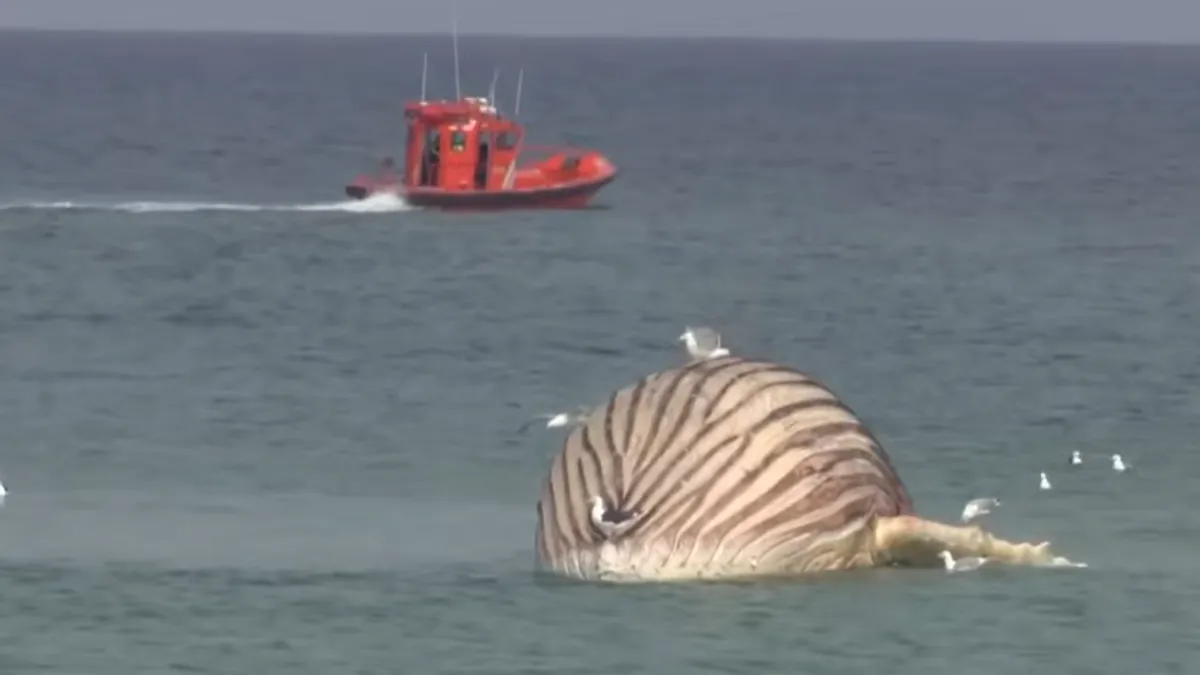
END OF STORY? “TIMMY” – DEAD HUMPBACK WHALE BECOMING A PRESSURE TIME BOMB
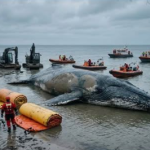
A massive humpback whale named Timmy has washed ashore, and authorities are warning that the carcass is rapidly swelling due to dangerous gases from decomposition. Experts say the whale’s thick blubber is trapping pressure with almost no escape, causing the body to expand hour by hour.
Rising heat is accelerating the process, making conditions increasingly unstable and dangerous. Scientists and emergency responders are closely monitoring the situation as it develops in real time.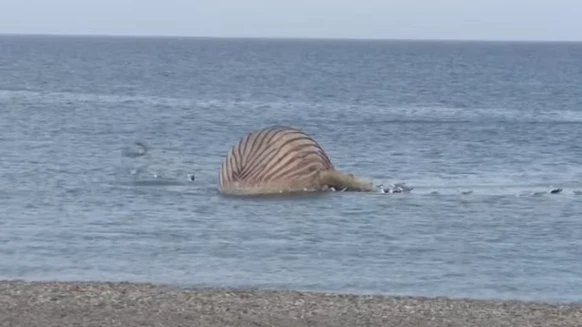
A previous removal attempt was abandoned due to extreme safety risks, but a new emergency operation is now being prepared. Authorities warn that the longer the whale remains, the more volatile the situation becomes, raising concerns about both public safety and environmental impact.
Why this is a rare but serious situation:
- Decomposition gases like methane and hydrogen sulfide can be explosive or toxic if released suddenly.
- Large marine mammals present unique challenges for recovery, with size, blubber thickness, and internal gas buildup creating serious hazards.
- Climate change and rising coastal temperatures are accelerating natural processes, making “exploding whale” events increasingly possible.
- Human activity, from pollution to entanglement and ship strikes, continues to stress marine life, increasing the number of giant carcasses washed ashore.
The bigger picture:
Timmy’s fate is more than a viral headline — it is a wake-up call about the fragility of our oceans. Events like this are rare, but as climate change and human impacts intensify, they may become more frequent, demanding new protocols and awareness for both conservation and public safety.
Safety advice for the public:
- Stay clear of the carcass.
- Report any sightings immediately to local authorities.
- Follow official guidance regarding beach closures or emergency operations.
What may seem like a calm, quiet coastline is in fact a highly dangerous biological incident unfolding live, a stark reminder of the unseen complexities — and hazards — of our changing oceans.