The Nazi Submarine Mystery Finally Solved After More Than 70 Years
The Nazi Submarine Mystery Finally Solved After More Than 70 Years
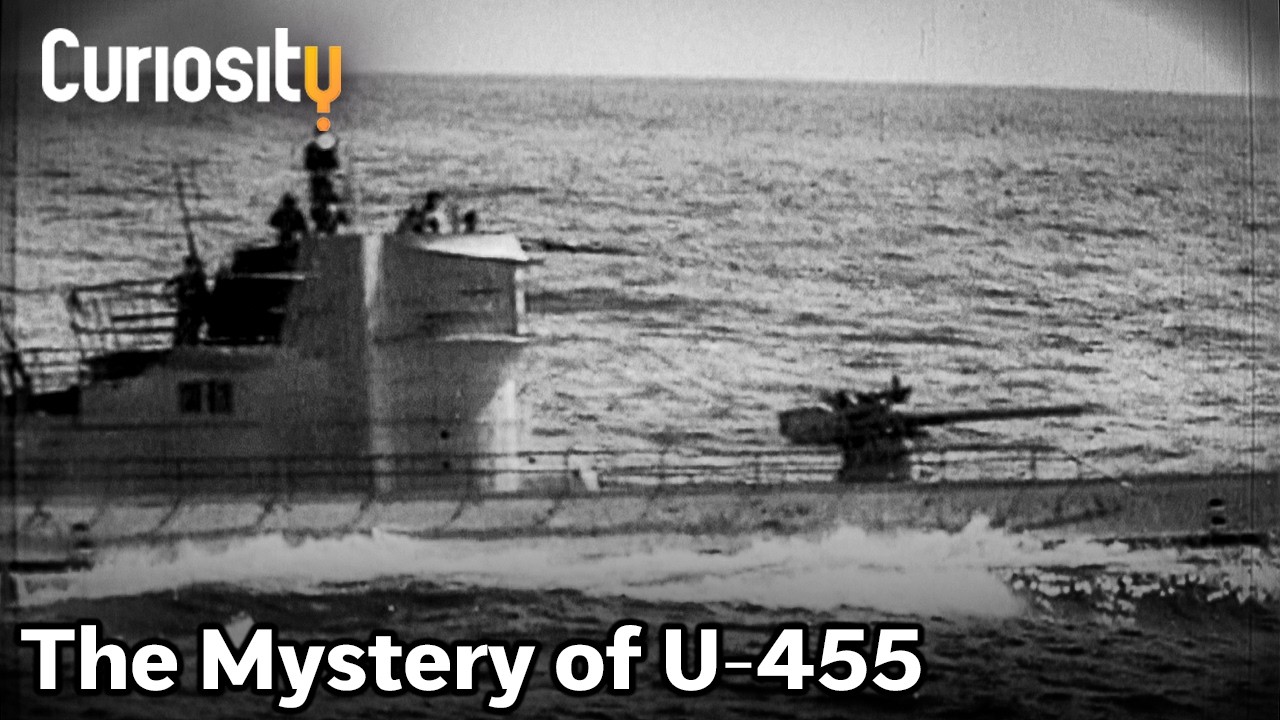
For decades, the fate of several German U-boats lost during the final months of World War II remained one of the most enduring maritime mysteries of the 20th century. Rumors of secret missions, hidden cargo, and mysterious disappearances fueled speculation long after the war ended.
Now, advances in underwater archaeology and deep-sea surveying are helping historians solve some of these long-standing puzzles.
The Disappearance of the U-Boats
As Nazi Germany collapsed in 1945, dozens of submarines vanished from military records. Some were deliberately scuttled by their crews to prevent capture, while others disappeared during combat operations in the Atlantic, North Sea, and Baltic Sea.
The uncertainty surrounding these vessels gave rise to theories involving:
- Secret escape routes for high-ranking Nazi officials
- Hidden caches of gold and stolen valuables
- Experimental weapons and classified technology
- Missions to remote destinations in South America or Antarctica
While these stories captured public imagination, most lacked credible evidence.
What Researchers Actually Found
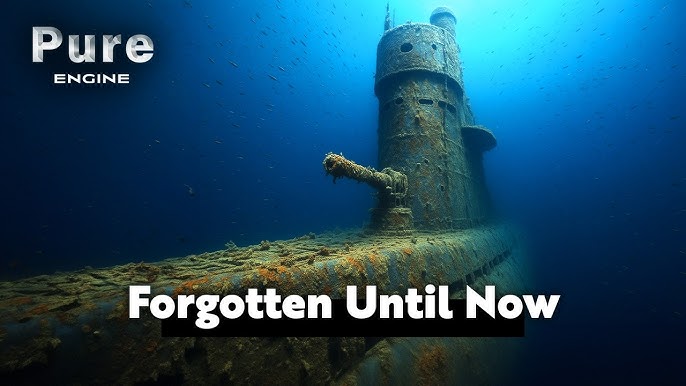
Using modern sonar mapping, remotely operated vehicles (ROVs), and archival research, marine archaeologists have located numerous missing U-boats resting on the seabed.
Investigations revealed that many of the submarines were lost due to:
- Allied attacks
- Mechanical failures
- Minefields
- Deliberate scuttling orders issued at the end of the war
In many cases, wreck locations matched wartime records that had been incomplete or inaccessible for decades.
Separating Fact from Legend
One of the biggest discoveries is that most alleged “mysteries” surrounding missing U-boats can be explained through documented historical events rather than secret conspiracies.
Claims involving hidden Nazi treasure, advanced super-weapons, or underground escape networks have generally not been supported by archaeological evidence recovered from the wrecks.
Instead, researchers found ordinary military submarines that became casualties of one of history’s largest naval conflicts.
Why the Wrecks Matter
These discoveries are important not only for solving historical questions but also for honoring those who served and died aboard the vessels. Many wrecks are now considered underwater war graves and are protected under international agreements.
The submarines also provide valuable insight into wartime engineering, naval strategy, and life beneath the sea during World War II.
A Mystery Largely Resolved
While individual U-boats may still hold unanswered questions, historians believe the broader mystery of many missing Nazi submarines has largely been solved through a combination of archaeology, technology, and archival research.
What once inspired decades of speculation has increasingly become a story grounded in evidence — revealing not secret empires or hidden treasures, but the realities of war, loss, and history preserved on the ocean floor.