SEA TURNS RED AS HUNDREDS OF WHALES KILLED DURING CONTROVERSIAL FAROE ISLANDS HUNT
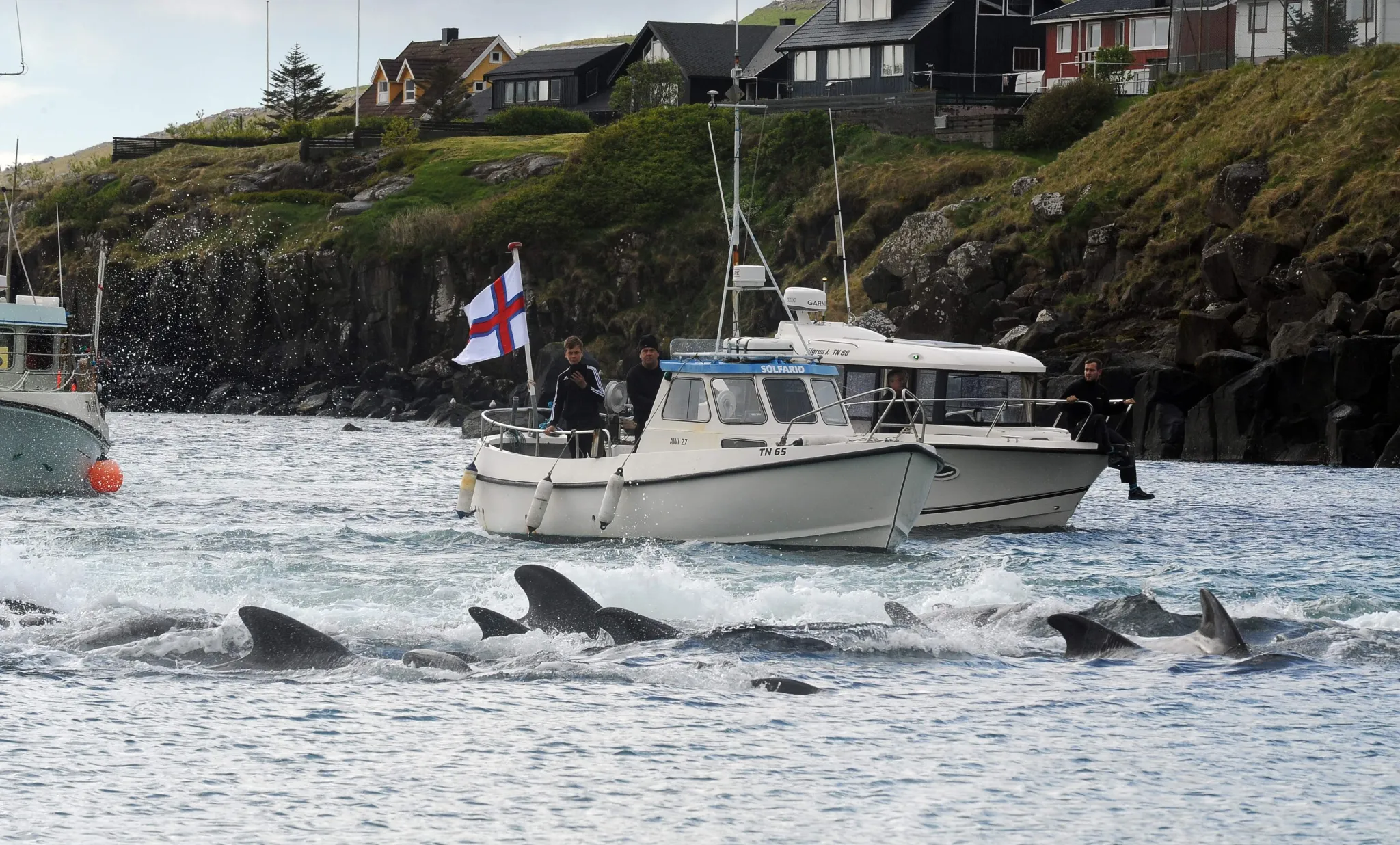
SEA TURNS RED AS HUNDREDS OF WHALES KILLED DURING CONTROVERSIAL FAROE ISLANDS HUNT
Hundreds of whales have been killed during a traditional hunt in the Faroe Islands, reigniting international debate over one of the world’s most controversial wildlife practices.
Dramatic images and videos emerging from the North Atlantic archipelago show coastlines stained red and rows of whale carcasses lining beaches after large groups of marine mammals were driven into shallow waters and slaughtered.
The annual event has once again drawn fierce criticism from animal welfare organizations, conservation campaigners, and social media users around the world.
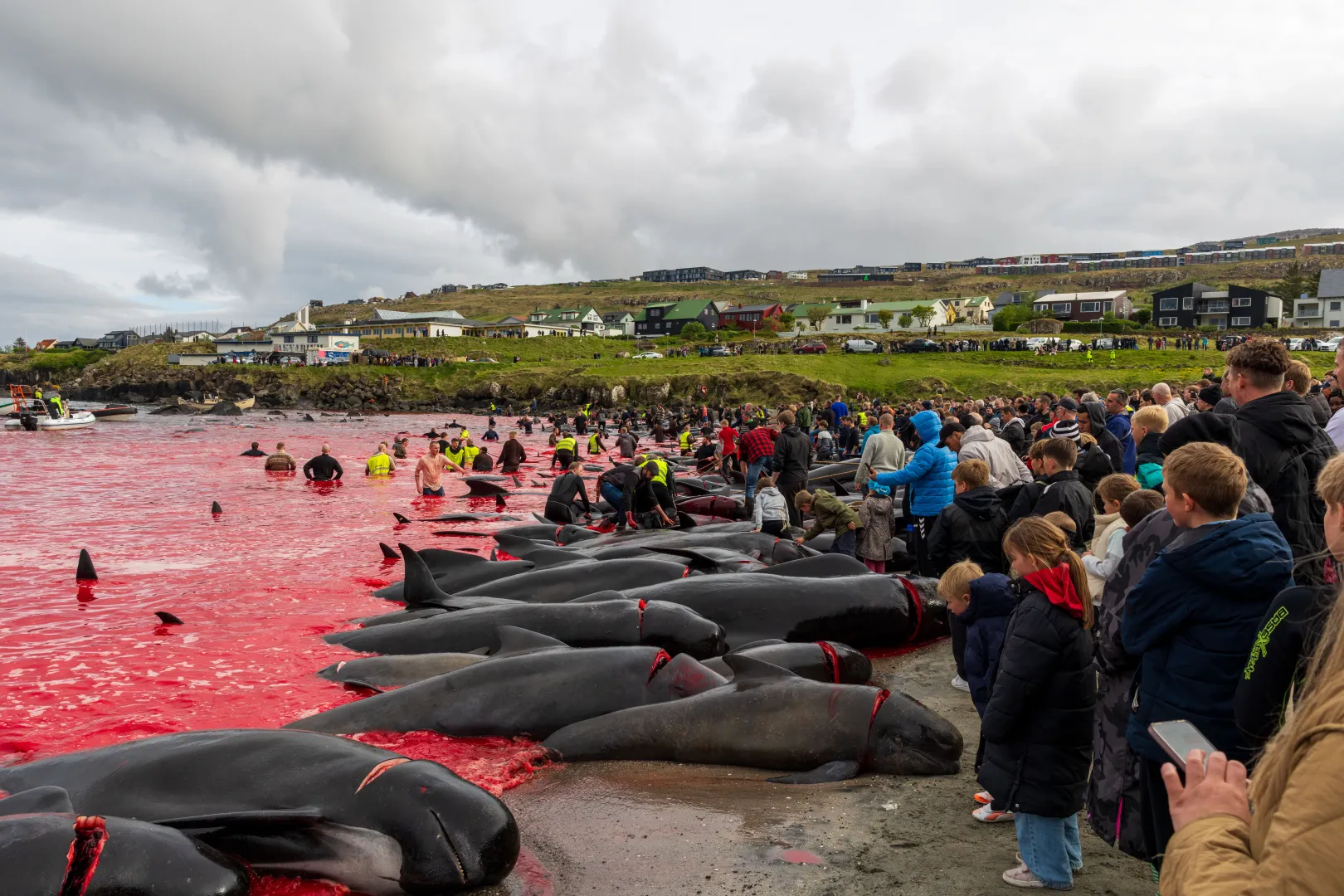 Coastlines Filled With Disturbing Scenes
Witnesses described dramatic scenes as pods of whales were herded toward designated coastal areas by boats working together to guide the animals into shallow bays.
Once trapped, the whales were brought ashore and killed as part of the traditional hunt, known locally as the “grindadráp.”
Images from the event quickly spread online, showing large numbers of whales along the shoreline and waters visibly discolored by blood.
The footage has sparked emotional reactions from people across the globe, many expressing shock and sadness at the scale of the hunt.
A Tradition Dating Back Centuries
The hunt has been practiced in the Faroe Islands for hundreds of years and remains a legally recognized tradition.
Supporters argue that the islands’ remote location and harsh historical conditions helped shape practices that provided food and resources for local communities long before modern supply chains existed.
Participants maintain that the whales are not hunted for commercial profit but rather distributed among local residents as a traditional food source.
Faroe Islands authorities have repeatedly defended the practice as part of the territory’s cultural heritage.
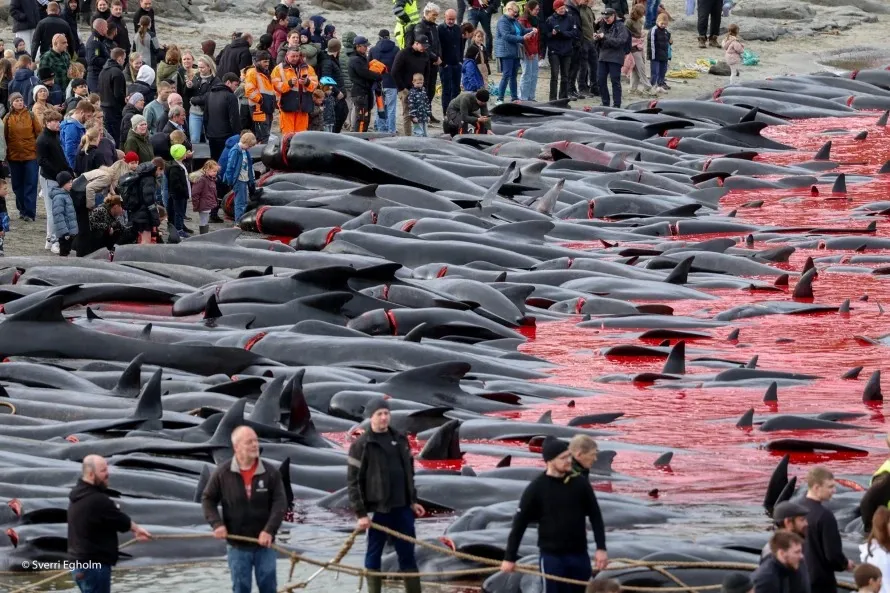 Animal Welfare Concerns
Animal welfare groups have long condemned the hunts, arguing that highly intelligent and social marine mammals experience significant stress and fear while being driven into shallow waters.
Critics also question whether the practice remains necessary in modern times given changing lifestyles, food availability, and growing awareness of animal welfare standards.
Several international organizations have called for stricter protections for marine mammals and an end to the annual hunts.
Campaigners argue that the images emerging from the events damage the Faroe Islands’ international reputation and raise serious ethical concerns.
Global Debate Reignited
Each year, the hunts generate intense international debate.
Supporters often view criticism as a misunderstanding of Faroese culture and traditions, while opponents see the practice as incompatible with modern conservation and animal welfare values.
The controversy highlights broader questions about how traditional cultural practices should be balanced against evolving global attitudes toward wildlife protection.
Conservation Status
The species involved in the hunts are generally not considered endangered globally, and Faroese authorities argue that the activity is managed within sustainable limits.
However, conservation and animal rights organizations continue to scrutinize population impacts, hunting methods, and welfare considerations.
Scientists, policymakers, and advocacy groups remain divided over aspects of the practice and its long-term implications.
Images Spark Worldwide Reaction
Photos and videos from this year’s hunt have generated millions of views online, with many people expressing horror at the scenes.
Others have defended the event as a longstanding cultural tradition that outsiders may not fully understand.
The renewed attention has once again placed the Faroe Islands at the center of a global conversation about culture, conservation, and humanity’s relationship with wildlife.
Hundreds of whales driven ashore.
Coastlines transformed by a centuries-old tradition.
And a debate that continues to divide opinion around the world.