21-Year-Old Woman Dies in Brazil Rope-Jump Tragedy as Investigation Raises Questions Over Safety Failures and Accountability
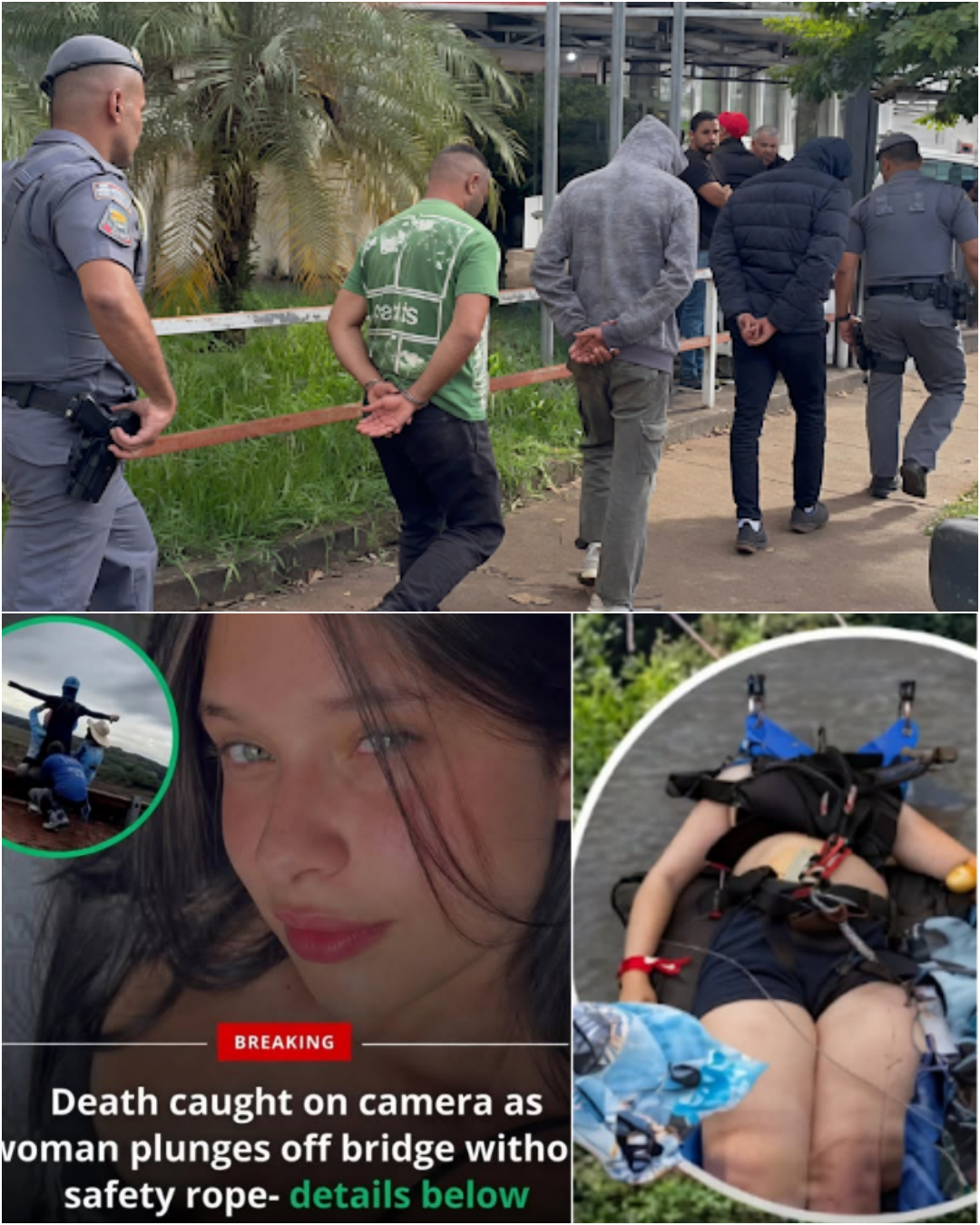
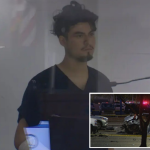
A tragic rope-jump incident in Limeira, Brazil, has left a family grieving, a community shocked, and investigators searching for answers after 21-year-old Maria Eduarda Rodrigues de Freitas died during what was supposed to be an unforgettable adventure.
Maria Eduarda had gone to the Ponte do Esqueleto, also known as Skeleton Bridge, in the municipality of Limeira, São Paulo, to take part in an extreme rope-jumping activity. Instead of returning home with a memory, she lost her life after reportedly being launched from the bridge without being properly connected to the main safety rope.
According to reports, the incident happened on June 13, 2026. The bridge, an abandoned railway structure, had become known among thrill seekers as a location for rope-jump activities. Participants were reportedly lifted and launched from the bridge while attached to a rope system designed to swing them safely after the drop.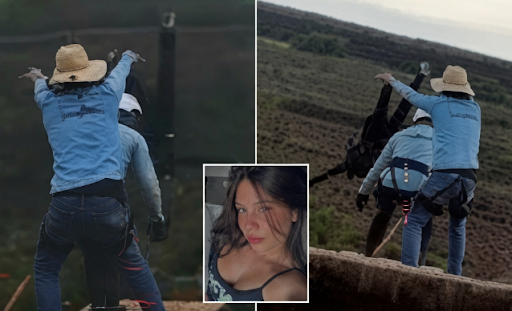
But in Maria’s case, investigators say the most important step was missed.
She was allegedly thrown from the bridge before the safety system was attached. Witnesses reportedly shouted warnings moments before the launch, but the jump still went ahead. Maria fell approximately 40 meters, turning a day of adventure into a devastating tragedy.
Three men linked to the rope-jump operation were arrested after the incident. Authorities are investigating the case as homicide with implied risk, a legal classification used when investigators believe the suspects may not have intended to kill but allegedly accepted the possibility of a fatal outcome by acting with serious disregard for safety.
The suspects have been identified in reports as Luis Felipe Feliciano Egoroff, Vitor de Freitas Gonçalves, and Maicon Fernandes Cintra. During questioning, they allegedly failed to clearly explain who was responsible for attaching or checking the rope before Maria was launched.
That uncertainty has become one of the most disturbing parts of the case.
In any extreme sport, safety depends on precision, repetition, and clear responsibility. Every harness, rope, lock, and signal must be checked before a participant is allowed to jump. When several people are involved, each person must know their role. There can be no guessing, no confusion, and no assumption that someone else already completed the final check.
Investigators are now examining how such a basic and essential safety step could have been missed.
Another detail has drawn attention: reports say Maria may have been wearing an action camera during the jump. A witness claimed that after the fall, one of the people involved removed the camera from her body. That camera has become a potentially important piece of evidence because it may contain footage from the moments before Maria was launched. As of the latest reports, questions remain over where that camera is and whether it could help clarify what happened.
The tragedy has also raised broader concerns about extreme sports regulation in Brazil. Reports from Brazilian media say rope-jumping activities often operate in a gray area, with limited oversight and unclear standards compared to more established adventure sports. Safety experts and members of the public are now asking whether stronger rules, inspections, and licensing requirements are needed to prevent another tragedy.
For Maria’s family, however, the legal and safety debate cannot erase the pain of losing someone so young.
Maria was only 21. She had a future ahead of her. She had dreams, relationships, and a life that should have continued far beyond that bridge. Her story has touched thousands because it feels painfully preventable.
She did not go there expecting danger without protection. Like any participant in an organized extreme activity, she likely trusted the people around her. She trusted that the equipment had been checked. She trusted that the final signal would only be given when everything was safe.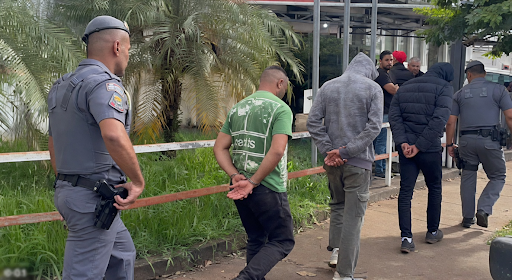
That trust was broken.
As the investigation continues, authorities are expected to focus on several key questions: Who was responsible for attaching the rope? Who was responsible for the final equipment check? Who gave the launch signal? Was the operation properly authorized? And did anyone try to remove or hide evidence after the incident?
At this stage, no final verdict has been announced. The suspects remain part of an ongoing criminal investigation, and the courts will determine responsibility based on the evidence gathered by police and prosecutors.
But the tragedy has already become more than a local case. It has become a warning about the cost of negligence in adventure tourism.
Extreme sports can be thrilling. They can create unforgettable memories. But when safety is treated casually, excitement can turn into disaster in a matter of seconds.
Maria Eduarda Rodrigues de Freitas came for an adventure. She should have gone home with a story to tell.
Instead, her name is now at the center of a case that has shocked Brazil and reached people around the world.
Her family deserves answers. The public deserves accountability. And every person who signs up for an extreme activity deserves the assurance that basic safety will never be ignored.
Rest peacefully, Maria.