Maria Eduarda Rope-Jump Case Moves Into Legal Spotlight as Brazil Investigates Possible Homicide With Implied Risk
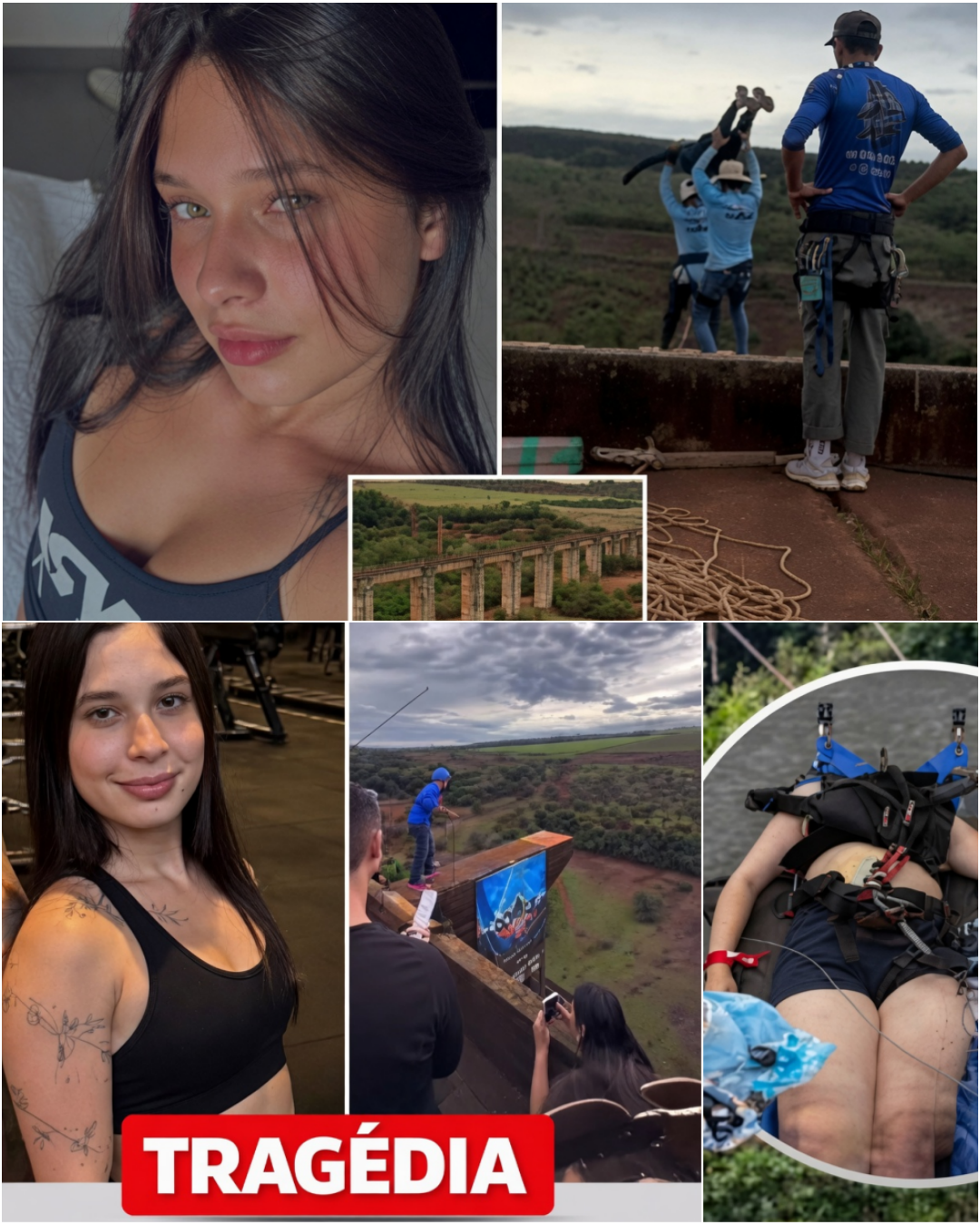
The death of 21-year-old Maria Eduarda Rodrigues de Freitas has now moved beyond public shock and into a serious legal battle over responsibility, negligence, and whether the people operating the rope-jump activity accepted a deadly risk before she was launched from Skeleton Bridge.
Maria died on June 13, 2026, in Limeira, São Paulo, after taking part in a rope-jump activity at Ponte do Esqueleto, known as Skeleton Bridge. According to investigators, she was released from the bridge without being connected to the main safety rope that should have protected her during the fall.
The case has devastated her family and triggered national outrage in Brazil. But legally, the central question is now whether her death was the result of a tragic mistake or conduct so reckless that it should be treated as a homicide with implied risk.
Authorities have been investigating the case under the classification of “homicídio com dolo eventual,” often understood as homicide with implied malice or implied risk. This does not necessarily mean investigators believe the suspects intended to kill Maria. Instead, it means authorities are examining whether those responsible understood that their actions could lead to death and continued anyway, accepting the risk.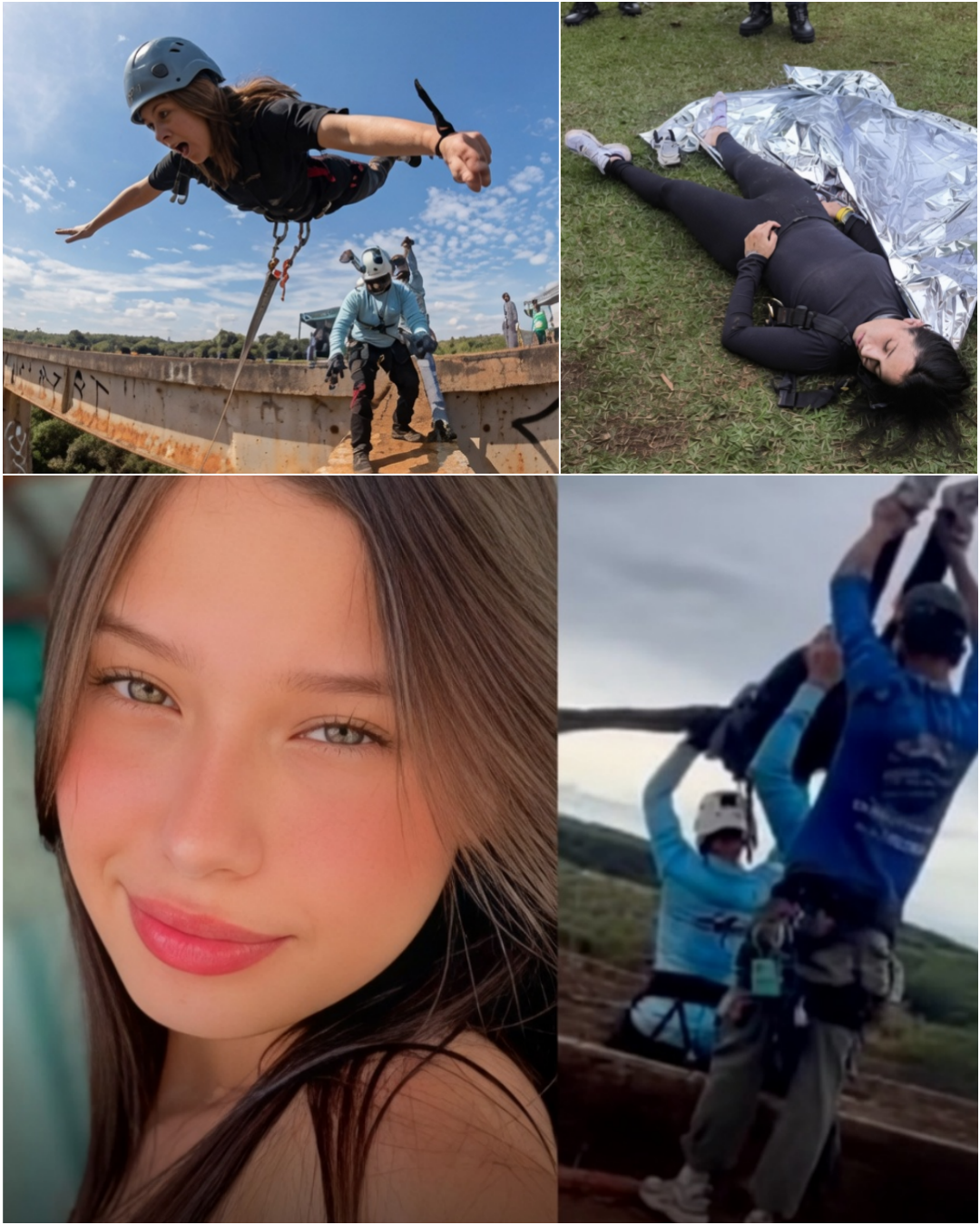
That legal distinction is important.
In many fatal accidents, investigators look for negligence: a failure to act with proper care. But in cases involving extreme disregard for obvious danger, prosecutors may argue that the conduct went beyond ordinary negligence. If someone launches a participant from a high bridge without confirming that the safety rope is attached, investigators may ask whether the risk of death was so clear that the act cannot be treated as a simple accident.
That is why the Maria Eduarda case has become so serious.
Three men linked to the rope-jump operation were arrested after the incident and remain under investigation. They have been identified in reports as Luis Felipe Feliciano Egoroff, Vitor de Freitas Gonçalves, and Maicon Fernandes Cintra.
Investigators are focusing on who prepared Maria for the jump, who was responsible for attaching the rope, who should have checked the equipment, and who gave the final signal for her to be released.
So far, one of the most troubling details reported in the case is that the people involved allegedly could not clearly explain who had the final responsibility for securing Maria before the jump.
In a legal investigation, that uncertainty may be extremely important.
Extreme sports are built around controlled risk. Participants understand that there is fear, height, speed, and danger. But they also trust that the danger is being managed by trained people using proper equipment and strict procedures.
A participant does not agree to be launched without a safety rope.
That is the difference between accepting an adventure and being exposed to a fatal failure.
Maria’s case may depend heavily on whether investigators can prove that the operators failed to follow basic safety procedures that any reasonable person in that activity should have considered essential. The question is not only whether a mistake happened. The question is whether the mistake was so obvious, so preventable, and so dangerous that those involved should have known it could lead to death.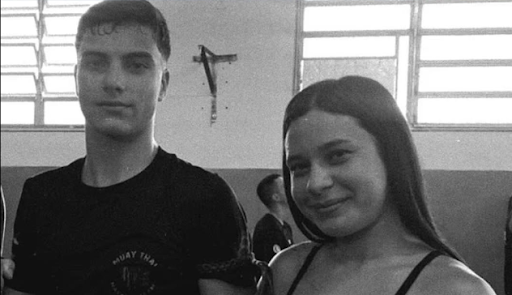
Several pieces of evidence may become important in the legal process.
First, witness statements could help establish what happened before Maria was launched. Reports say some people at the scene realized something was wrong and may have shouted warnings. If investigators confirm that warnings were given before the release, that could become a major factor in determining responsibility.
Second, videos from bystanders or people at the site may help show the setup, the position of the ropes, and the actions of the instructors. Any footage showing the safety rope left on the platform or not connected to Maria would be crucial.
Third, the missing GoPro-style camera remains one of the most important unresolved elements in the case. Reports say Maria may have paid to have the jump recorded and may have been wearing or carrying an action camera. A witness reportedly claimed someone connected to the operation removed the camera after the fall. Police are searching for it because the footage could show the final moments before the launch from Maria’s own perspective.
If recovered, the camera may help answer questions no witness can fully explain.
It could show whether Maria was visibly unsecured. It could capture voices, instructions, warnings, or confusion. It could show who was close to her before she was released. It could also reveal whether the people around her understood that the safety rope was missing.
For prosecutors, that kind of evidence could be powerful.
For Maria’s family, it could be deeply painful but necessary.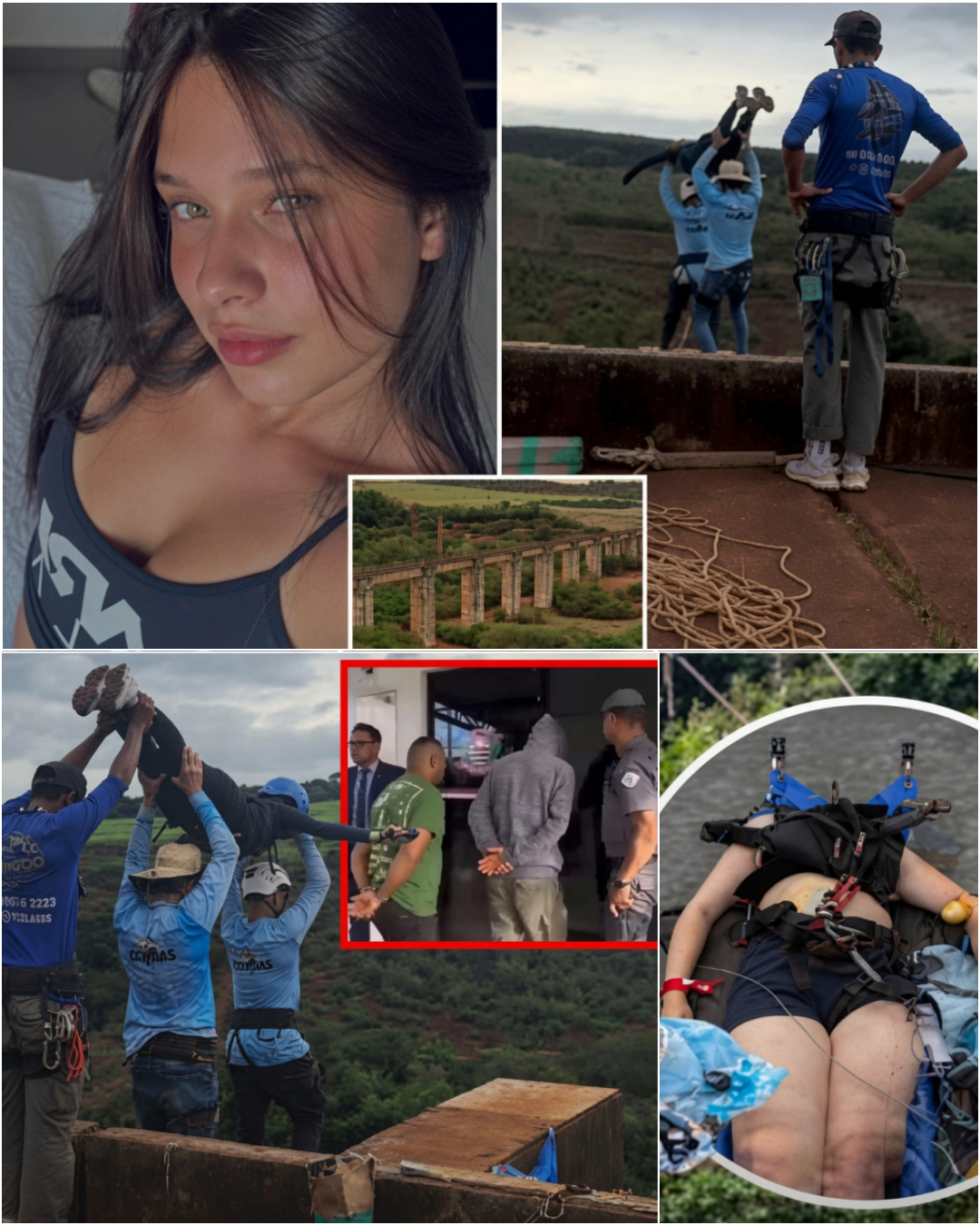
Another key issue is whether the rope-jump activity at Skeleton Bridge was authorized. Reports say the operation did not have proper permission to carry out the activity at the abandoned structure. If investigators confirm that the group was operating without authorization, that may strengthen the argument that the activity was being conducted without proper oversight, regulation, or safety control.
Skeleton Bridge itself has now become part of the legal and public safety debate.
After Maria’s death, authorities moved to restrict access to the bridge and began discussing whether the structure should be demolished. That response shows how dangerous the location was considered after the tragedy. But it also raises a difficult question: if the site was already unsafe and unauthorized, why were people still able to use it for paid or organized adventure activities?
The legal process may take time.
Investigators must collect evidence, hear witnesses, examine videos, analyze equipment, review the conduct of the suspects, and determine whether additional people or agencies may have responsibility. Prosecutors will then decide how to move forward with charges, and the defense will have the opportunity to challenge the accusations.
No final verdict has been announced.
The suspects are presumed innocent until proven guilty in court. But the seriousness of the case has already placed enormous pressure on authorities to provide clear answers.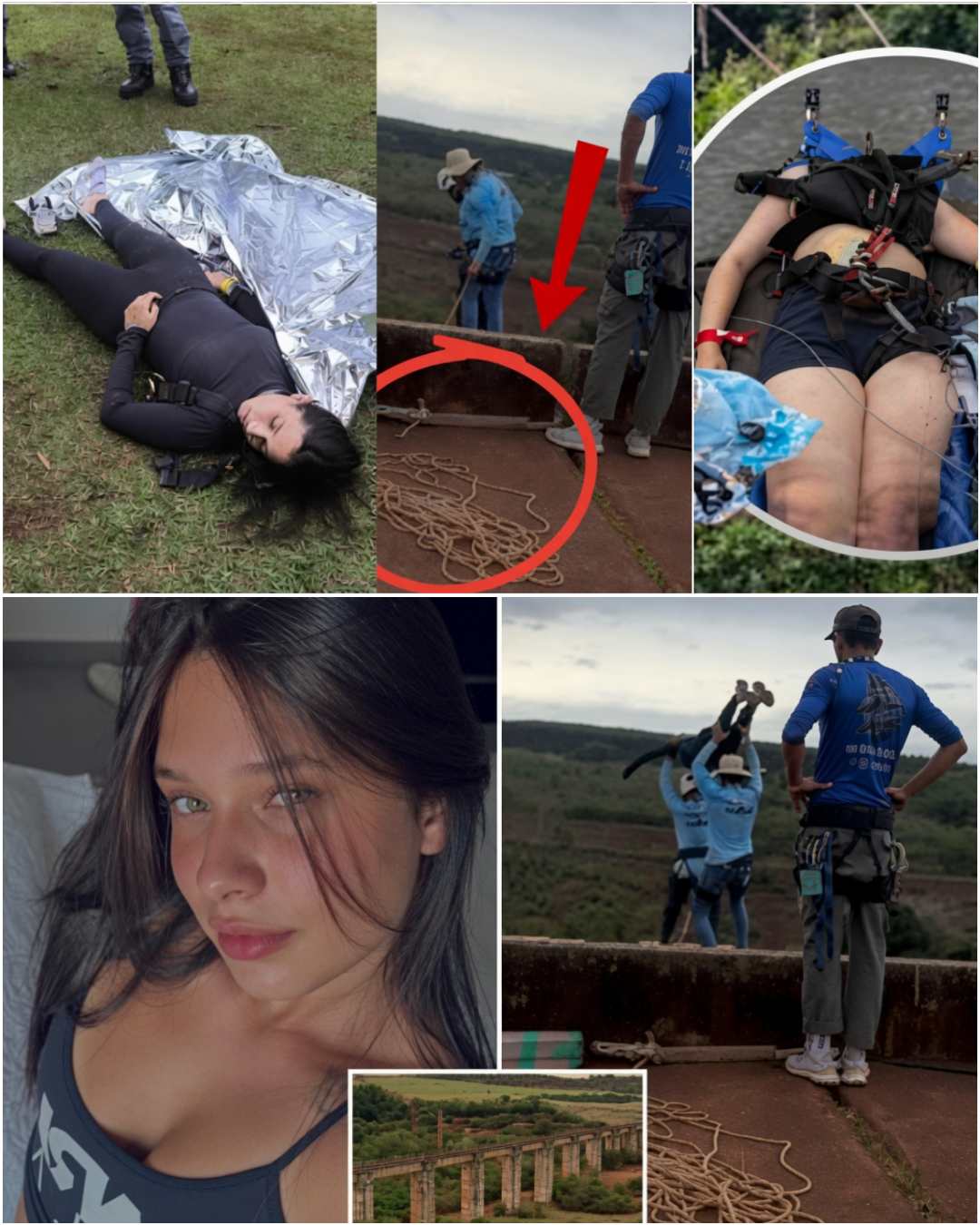
For the public, the case has become a symbol of preventable tragedy. Many people are not only asking who failed to attach the rope, but whether the entire operation was built on unclear responsibility and weak safety culture.
In a rope-jump activity, safety is not optional. It is the entire foundation of the experience. Without the rope, there is no sport. Without the final check, there is no control. Without clear responsibility, there is no protection for the participant.
Maria Eduarda trusted that protection.
She trusted that the people preparing her for the jump would not let her go unless every life-saving step had been completed. She trusted that the fear she felt was part of a controlled experience, not a warning that the system had failed.
That trust was broken in the worst possible way.
Now, the legal system must determine whether that failure was negligence, recklessness, or homicide with implied risk.
Whatever the final legal classification becomes, one truth remains clear: Maria was 21 years old, and she should still be alive.
Her family deserves more than sympathy. They deserve a full investigation, transparent answers, and accountability if the evidence proves that her death was preventable.
The public also deserves reassurance that extreme-sports operators will be held to strict standards when human lives are placed in their hands.
Adventure should create memories, not funerals.
A young woman went to Skeleton Bridge hoping to experience courage.
Instead, her death has become a legal case that may define how Brazil looks at responsibility in extreme sports.
As investigators continue their work, the question at the heart of the case remains painfully simple:
Who failed Maria Eduarda before she was launched from that bridge?
Until that question is answered, justice is not complete.