The Warning Signs Before Preston Davey’s Death and the Safeguarding Questions That Remain
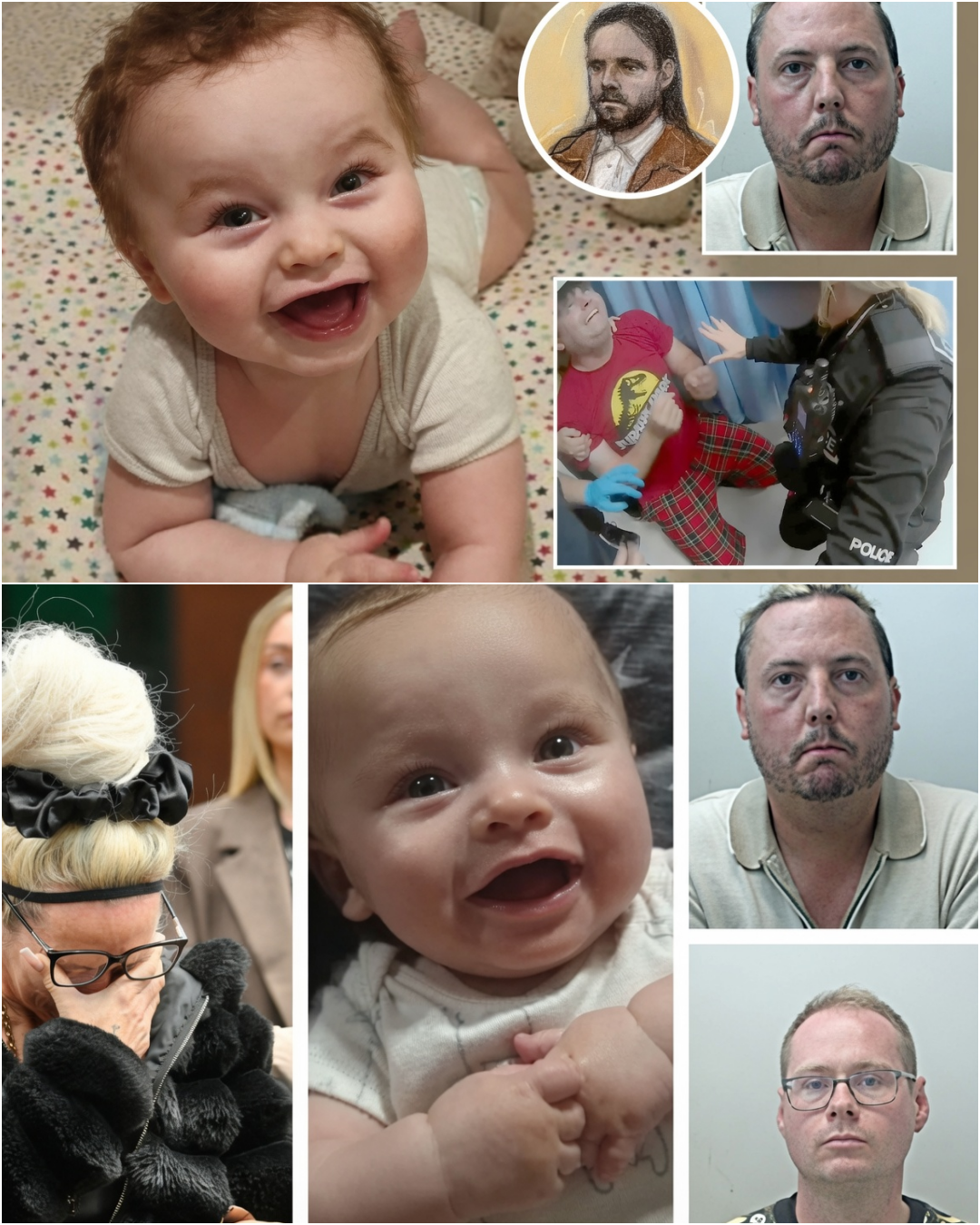
Meta description: Hospital visits, unexplained injuries and professional contact have raised serious questions about missed opportunities to protect Preston Davey.
The convictions of Jamie Varley and John McGowan-Fazakerley have answered the central criminal questions surrounding the death of 13-month-old Preston Davey. They have not answered how his abuse remained undetected despite repeated contact with professionals responsible for protecting vulnerable children.
Preston was born on June 16, 2022, and entered emergency care five days later. He spent the first nine months of his life with foster carers, who described him as a happy, affectionate and thriving baby.
Varley and McGowan-Fazakerley were approved as prospective adopters in January 2023. After introductory visits, Preston spent his first night at their Blackpool-area home on April 1. The placement was intended to provide him with love, safety and stability.
Less than four months later, he was dead.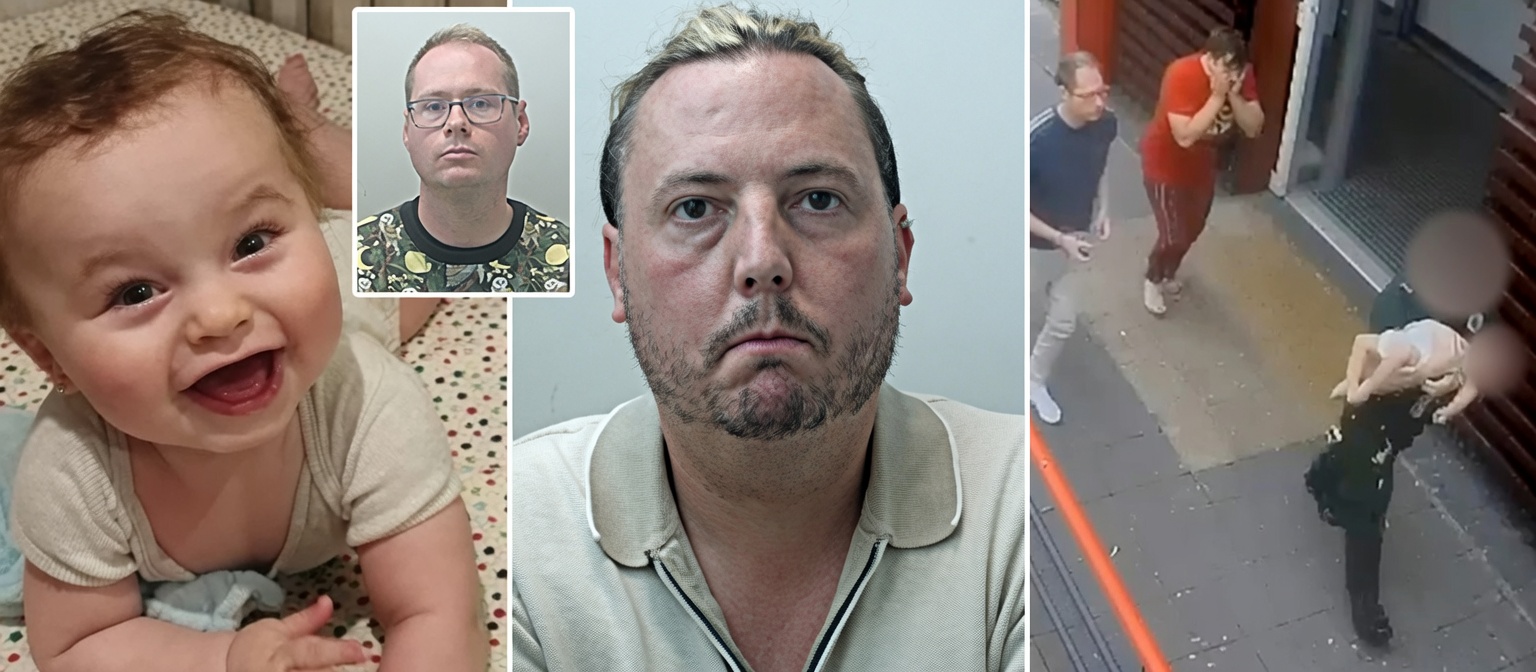
Repeated contact with health services
Evidence presented during the trial showed that Preston was taken to hospital several times while living with the couple.
On May 25, 2023, he was brought to Blackpool Victoria Hospital after becoming floppy and unresponsive. Staff observed bruising on his head. A medical record reportedly noted unexplained injuries that appeared inconsistent with the account given by his carers.
Hospital safeguarding personnel, social services and police were contacted. However, the bruising was ultimately treated as potentially consistent with the ordinary accidents of a baby learning to walk, and Preston returned home.
He was taken to the emergency department again on June 30 with symptoms including vomiting, diarrhoea, a high temperature and a rash. Medical staff again noticed bruising to his head. The carers showed them a video in which Preston appeared to pull a toy box onto himself, offering it as an explanation.
The trial later heard that the video had been recorded days before the hospital visit. Its existence reassured staff, but it did not establish that every injury had been caused by the incident shown.
Preston also suffered a healing fracture to his left arm that medical experts later considered non-accidental.
Professional confidence and misplaced reassurance
Varley’s professional background has become an important part of the discussion surrounding the case. He was a teacher and had held responsibilities associated with student welfare. The sentencing judge said that Varley’s profession, charm and manner helped reassure others that everything was well when it was not.
That observation raises a difficult safeguarding issue. Child-protection decisions must be based on evidence, patterns of injury and the child’s welfare rather than assumptions arising from a carer’s occupation, education or social presentation.
Patterns often become visible only when records are shared and reviewed together. Repeated hospital visits, inconsistent explanations and unexplained injuries may carry greater significance collectively than when each incident is considered in isolation.
An independent review resumes
Oldham Council opened a Child Safeguarding Practice Review after Preston’s death. It was paused to avoid interfering with the criminal proceedings and resumed after the guilty verdicts in June 2026.
The review is expected to examine the council, adoption services, health professionals and police. It should determine whether procedures were followed, information was shared and concerns were escalated appropriately. It must also address the quality and frequency of monitoring after Preston’s placement.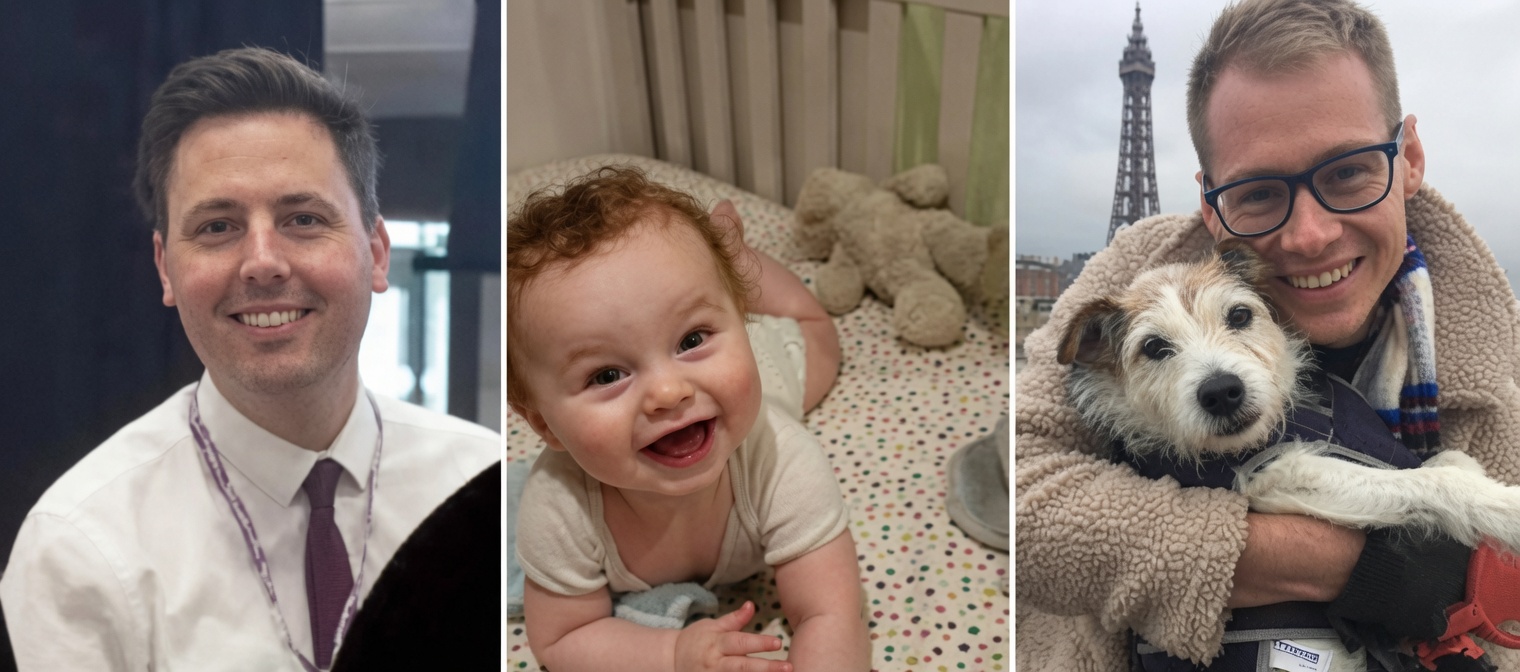
England’s Children’s Commissioner, Dame Rachel de Souza, has said that no potential safeguard should automatically be excluded when authorities assess prospective adopters. She has also questioned why more visits were not arranged after Preston’s medical contacts.
Accountability must extend beyond conviction
Varley received a whole-life order on June 18, 2026. McGowan-Fazakerley was sentenced to 25 years. Those punishments address their individual criminal responsibility.
Institutional accountability requires identifying which decisions were reasonable at the time and which should have been challenged. The review’s findings have not yet been published, so it would be premature to assign formal blame to individual professionals or agencies.
Preston had already been removed from his birth family because the state believed he needed protection. Once that decision was made, public authorities assumed a profound responsibility for his safety. Understanding why that protection failed is now one of the most important unanswered questions in the case.