What Is “Preston’s Law”? Campaign Seeks Stronger Checks After Adoption Placements
Meta description: A campaign inspired by Preston Davey’s case is calling for mandatory welfare visits and stronger safeguarding oversight after adoption placements.
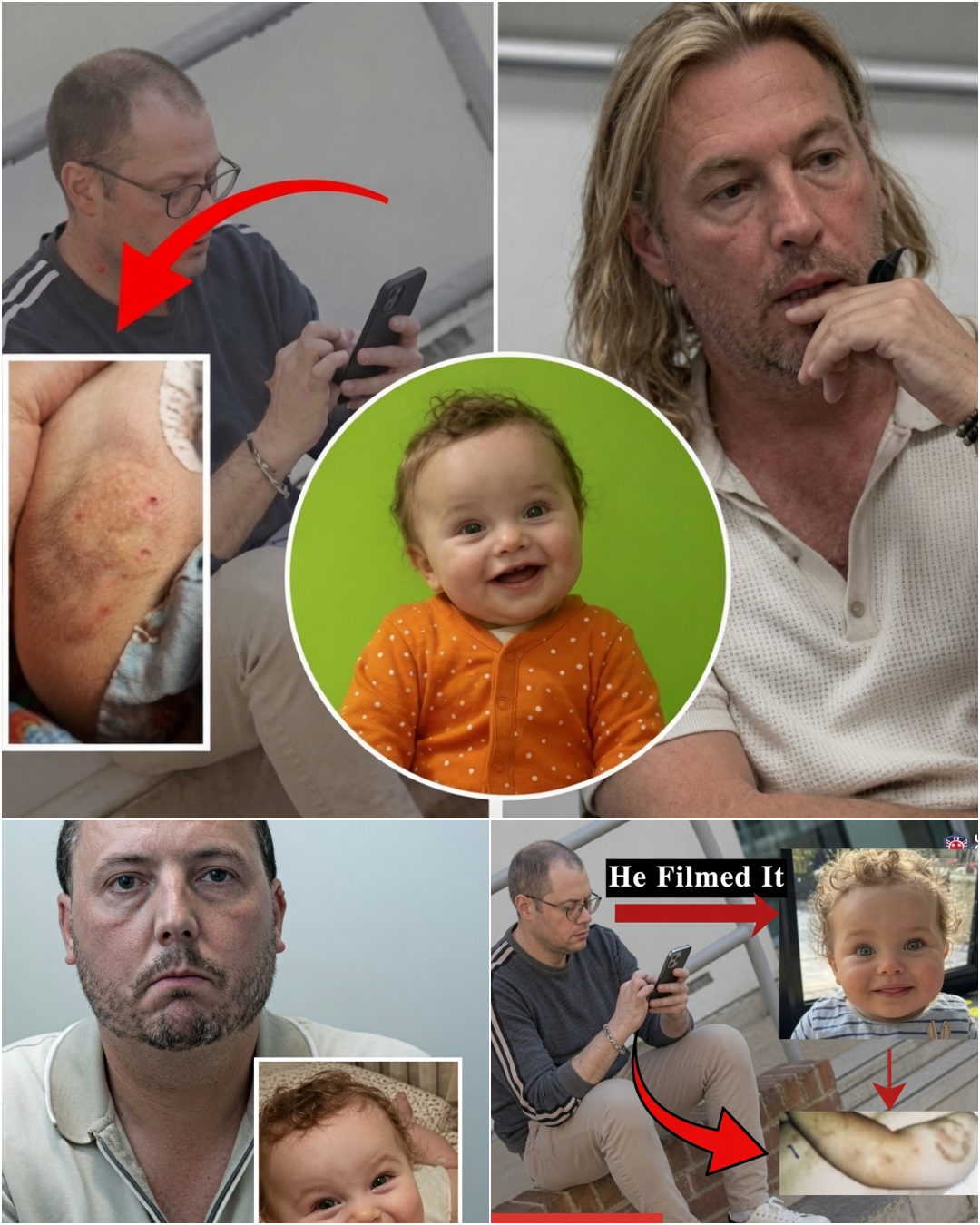
The murder of 13-month-old Preston Davey has prompted calls for new safeguards for children placed with prospective adoptive families. A public campaign using the name “Preston’s Law” argues that adoption monitoring should include mandatory visits, clearer accountability and faster intervention when concerns arise.
The campaign emerged after the convictions of Jamie Varley and John McGowan-Fazakerley in June 2026.
Preston was placed in their home in April 2023 with a view to adoption. Within four months, he had suffered repeated abuse and died from acute upper airway obstruction. A post-mortem examination identified approximately 40 injuries.
Varley was convicted of Preston’s murder, child cruelty, serious assault, sexual offences and indecent-image offences. He received a whole-life order, meaning he will never be released from prison. McGowan-Fazakerley was convicted of allowing the child’s death, cruelty and sexual assault and was sentenced to 25 years.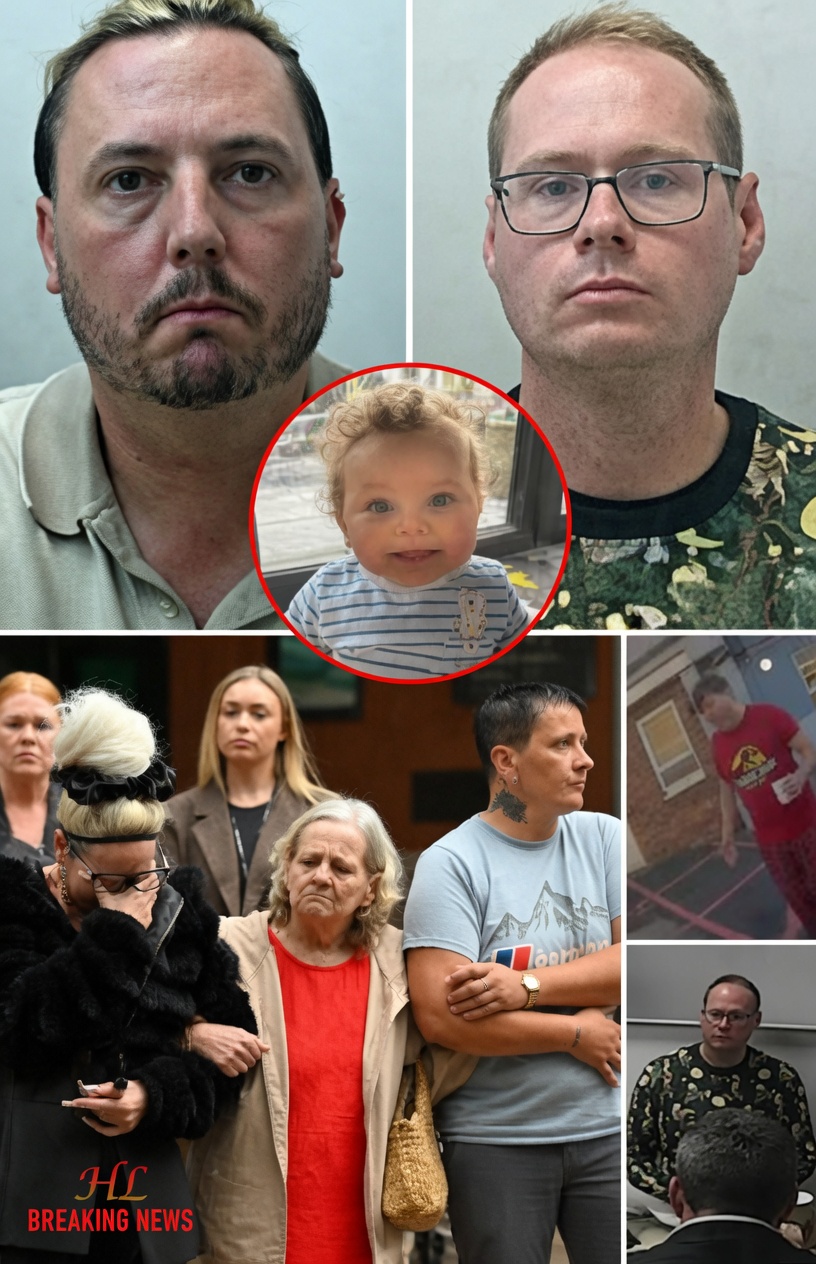
What campaigners are proposing
One version of the “Preston’s Law” campaign calls for structured post-placement welfare checks for adopted children. Proposed measures include monthly visits during the first six months, followed by regular monitoring for at least two years.
Campaigners have also advocated unannounced visits. The stated purpose is to allow professionals to observe a child’s living conditions without giving carers time to prepare specifically for a scheduled inspection.
Other proposals include assigning a named social worker with clear responsibility for each child’s ongoing welfare and establishing an automatic escalation process when multiple safeguarding concerns are reported.
These ideas have not become law. “Preston’s Law” is a campaign label, and different petitions may contain different proposals. It should not be presented as approved government policy or a bill already before Parliament.
Why post-placement monitoring is under scrutiny
The campaign is driven by evidence that Preston had contact with several agencies before his death. He was taken to hospital multiple times, where staff observed bruising and other injuries. Social services, hospital safeguarding staff and police were involved at various points, but he remained in the placement.
Supporters argue that scheduled contact may not be enough when a child is too young to report mistreatment. A named professional could make it easier to identify patterns across medical records, visits and other reports.
However, reforms would require more than new written procedures. Councils and adoption services would need sufficient staffing, training, information-sharing systems and funding to conduct meaningful visits. A check that is rushed or treated as an administrative exercise may offer little protection.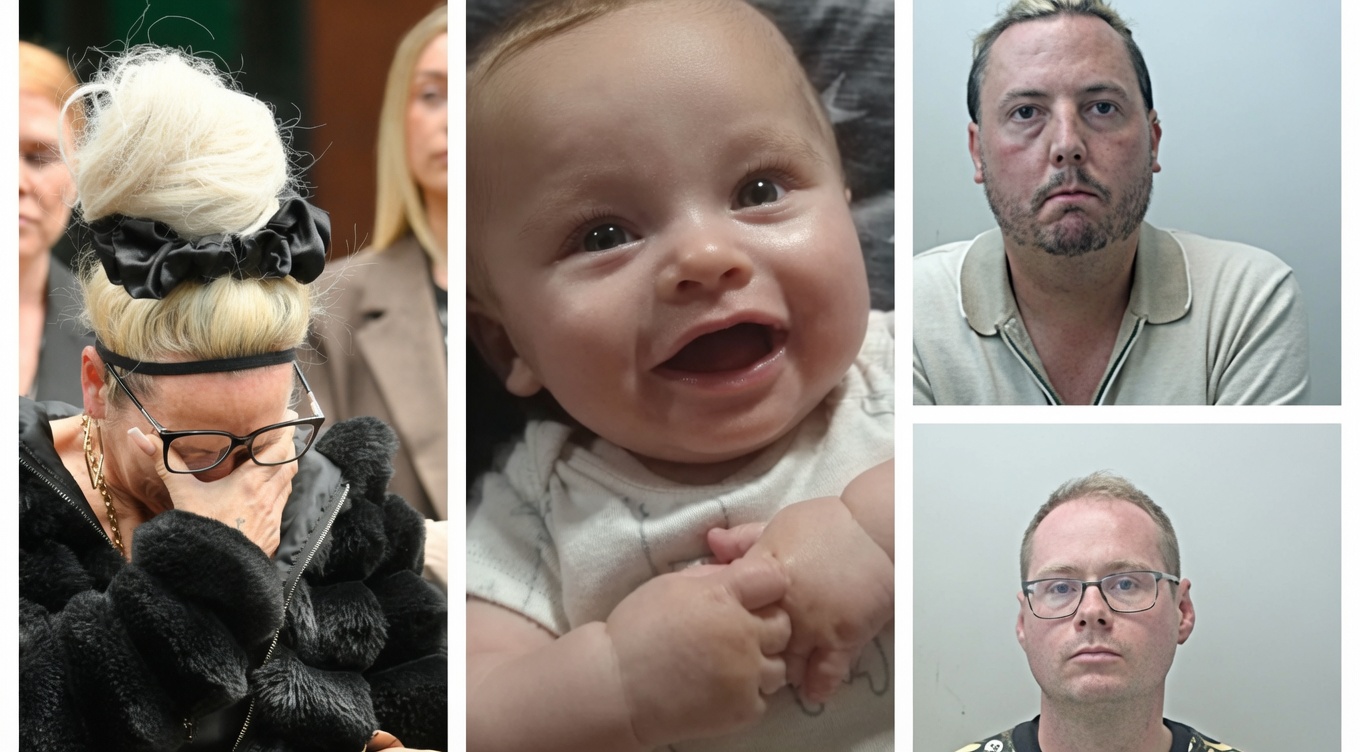
Effective monitoring must also focus on the child’s condition and behavior, rather than simply confirming that appointments took place. Professionals need enough time and authority to question explanations, compare records and seek specialist advice when injuries or other concerns cannot be clearly resolved.
The Children’s Commissioner calls for answers
England’s Children’s Commissioner, Dame Rachel de Souza, has described Preston’s death as a failure of both the state and the safeguarding system. She has called for an investigation into whether his murder could have been prevented and questioned why more visits were not organized after his hospital attendances.
She has also suggested that no reasonable checks should automatically be excluded when prospective adopters are assessed. Her comments do not amount to government adoption of “Preston’s Law,” but show that the case has reached the national safeguarding debate.
The independent review will be critical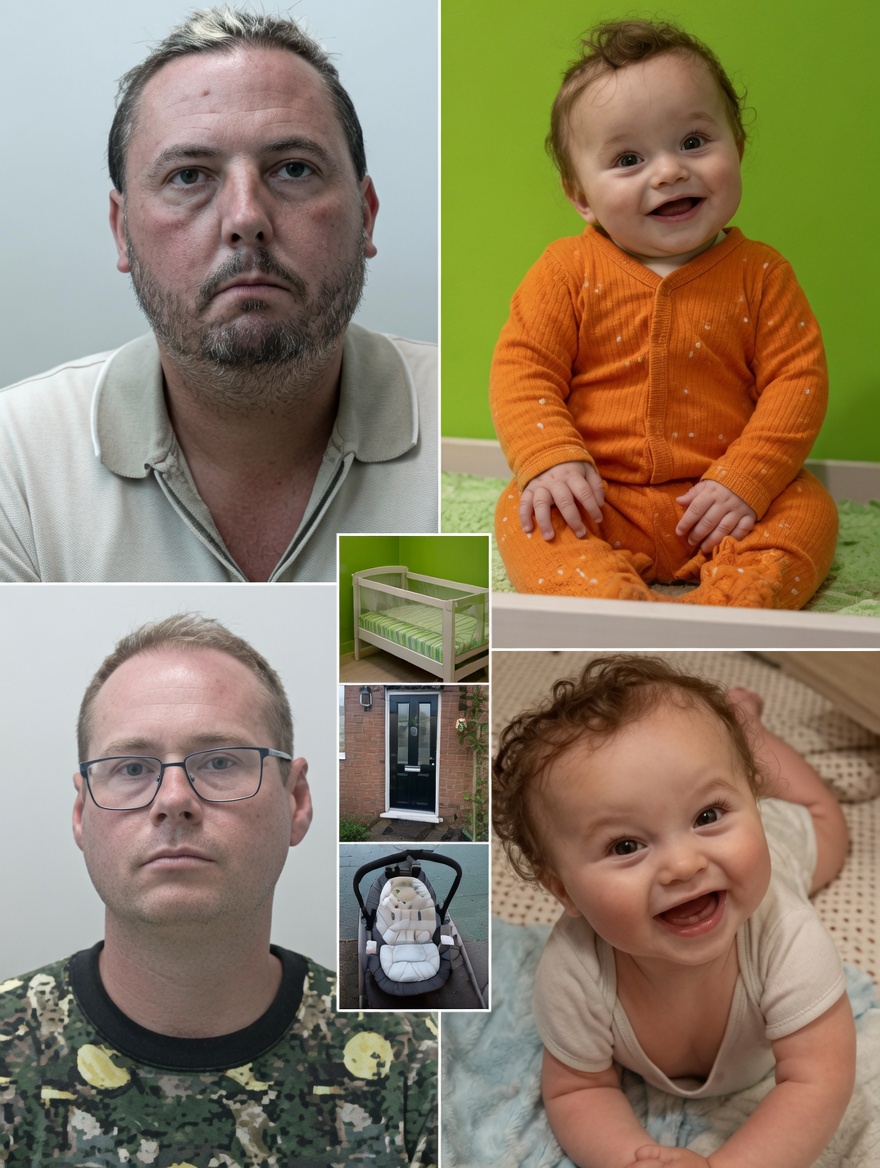
Oldham Council’s independent Child Safeguarding Practice Review is now examining the work of the agencies involved in Preston’s life. It is expected to consider the placement process, professional visits, medical contacts, information sharing and possible missed opportunities.
Any serious reform should be informed by that evidence. Policymakers will need to understand which safeguards were absent, which existed but were not followed and which failed despite being followed.
The campaign’s central principle is that placing a child with prospective adopters should not abruptly end safeguarding oversight or support.
Preston’s case shows the consequences when warning signs are not recognized or connected in time. Whether the campaign ultimately produces legislation, revised guidance or stronger local procedures, its central demand is that every child’s safety remain subject to active and accountable oversight.