Missing Camera Becomes Key Evidence in Maria Eduarda Rope-Jump Death Investigation
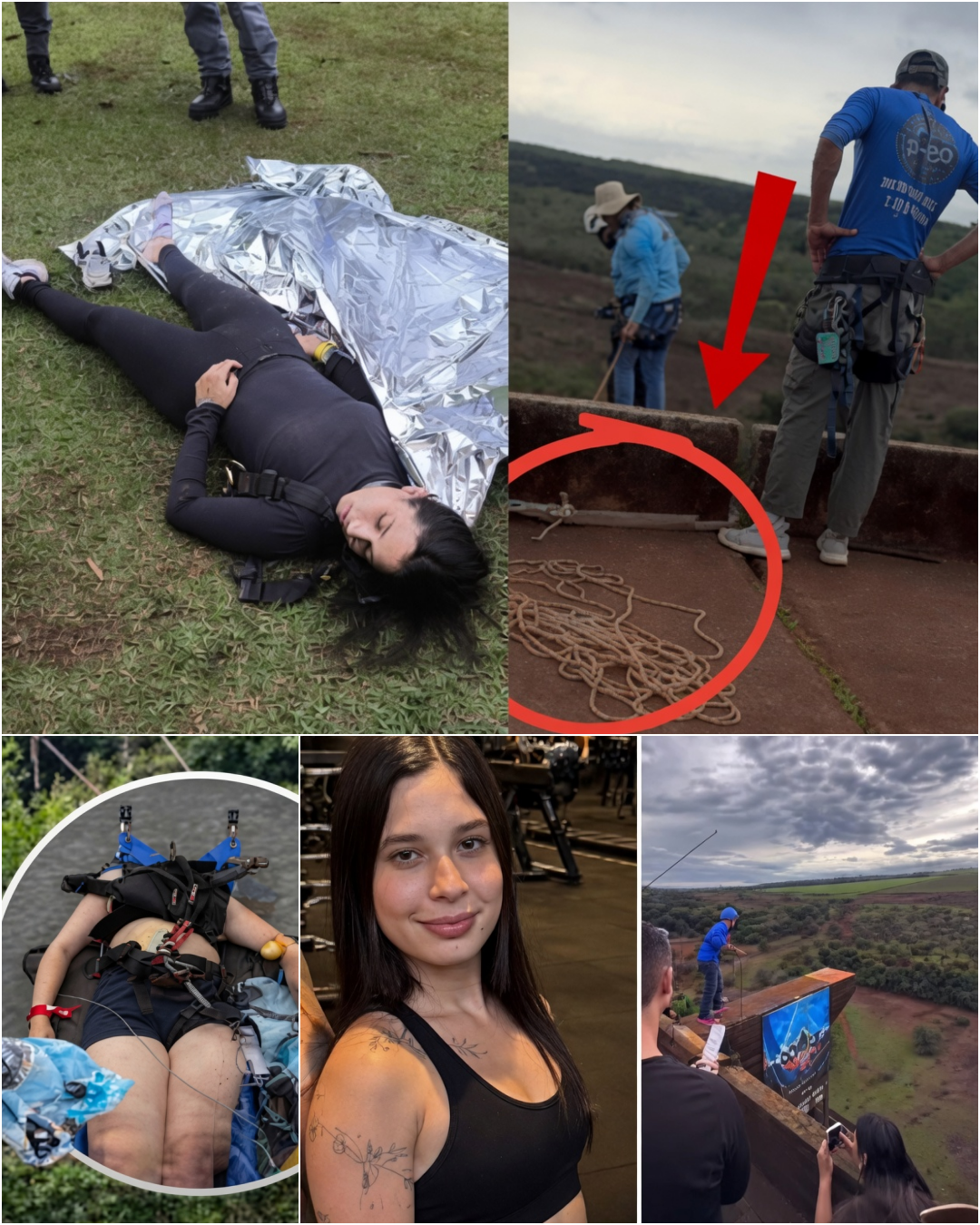
A missing camera believed to have been worn by Maria Eduarda Rodrigues de Freitas is now one of the most important unanswered questions in the Brazil rope-jump case.
Article
Missing Camera Becomes Key Evidence in Maria Eduarda Rope-Jump Death Investigation
The investigation into the death of Maria Eduarda Rodrigues de Freitas has taken a new and troubling direction as police continue searching for a missing camera that may have captured the final moments before the fatal rope-jump incident in Brazil.
Maria Eduarda, 21, died after being launched from the Ponte do Esqueleto in Limeira, São Paulo, during an extreme-sport activity. Investigators say she was not properly connected to the safety rope before the jump.
That failure alone has shocked the public. But the disappearance of a camera believed to have been worn by Maria has made the case even more serious.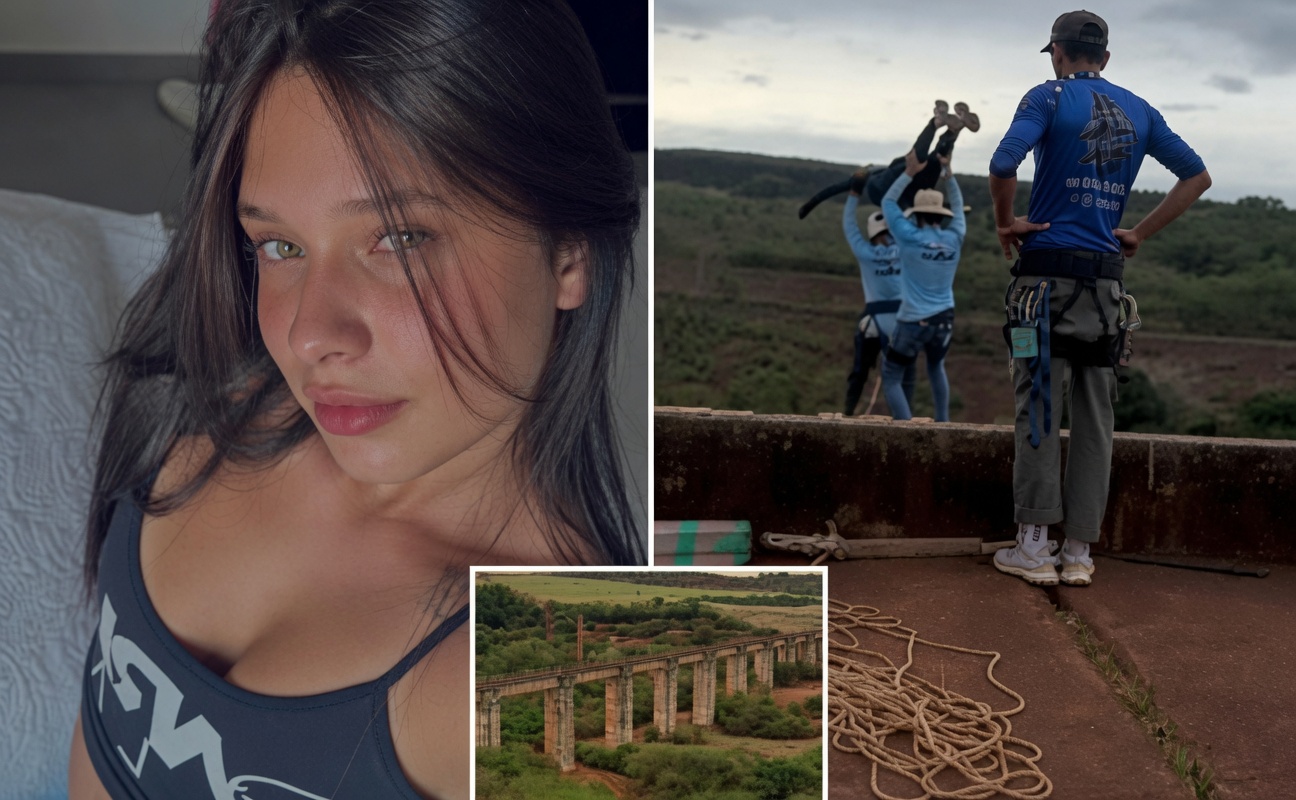
According to Brazilian reports, the camera may have recorded important footage before the jump. If recovered, it could help investigators understand what happened in the minutes leading up to the tragedy. It could show whether Maria was properly prepared, whether instructors performed the necessary checks, and whether anyone noticed that something was wrong before she was released from the bridge.
The camera has not been located.
Police are now examining whether evidence may have been hidden, removed, or deleted after the incident. This part of the case has led to additional arrests and a separate line of investigation beyond the instructors directly involved in the jump.
For investigators, the missing device could be a key piece of evidence. For Maria’s family, it could be much more than that. It could be the missing piece of truth they have been waiting for.
The unanswered questions are painful.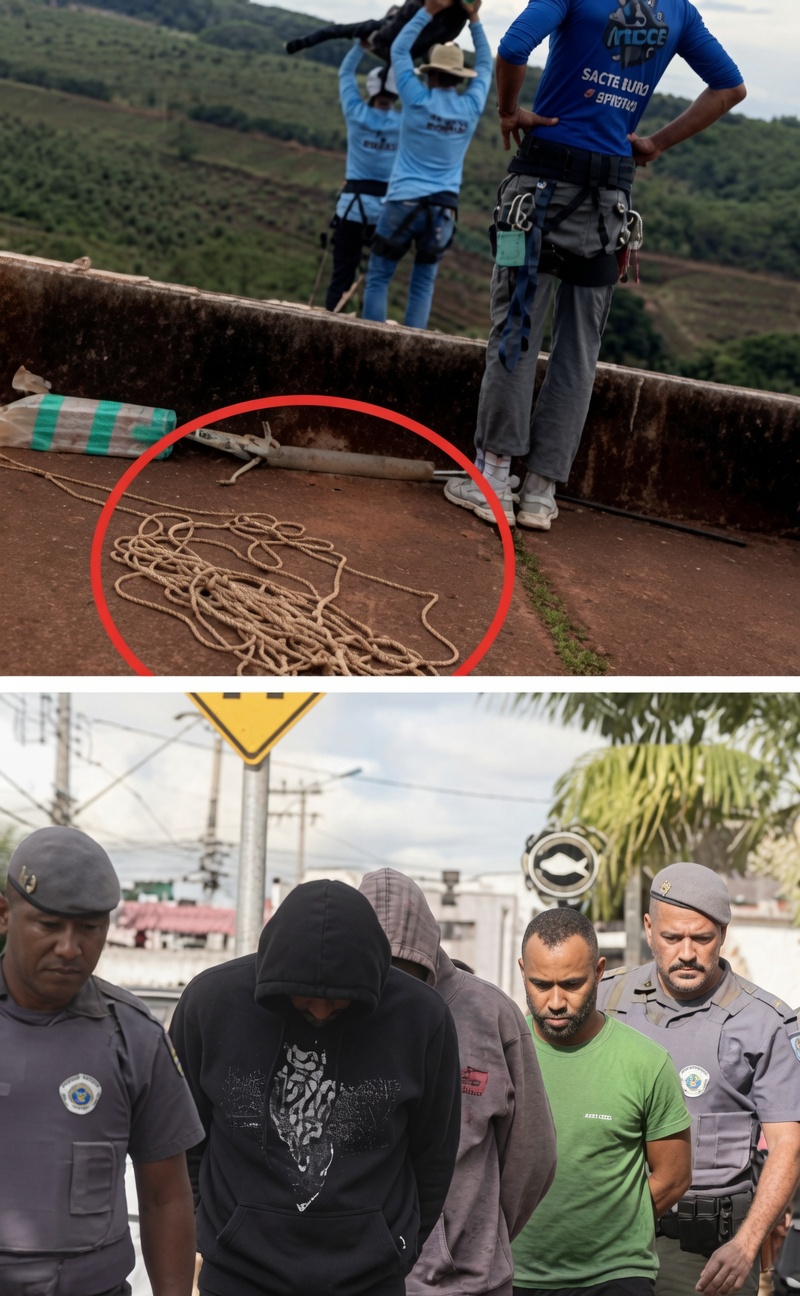
Who had the camera after the incident?
Was it removed from Maria?
Was the footage deleted?
Did someone try to prevent investigators from seeing what happened?
At this stage, those questions remain under investigation. No one should be treated as convicted unless a court reaches that conclusion, but the disappearance of potential evidence has increased public pressure on authorities to uncover the full chain of events.
The camera issue also shows why extreme-sport tragedies are often difficult to investigate. In many cases, video evidence is the clearest way to understand what happened before a fatal incident. Without that footage, investigators must rely on witness statements, equipment analysis, phone records, and the timeline of people involved.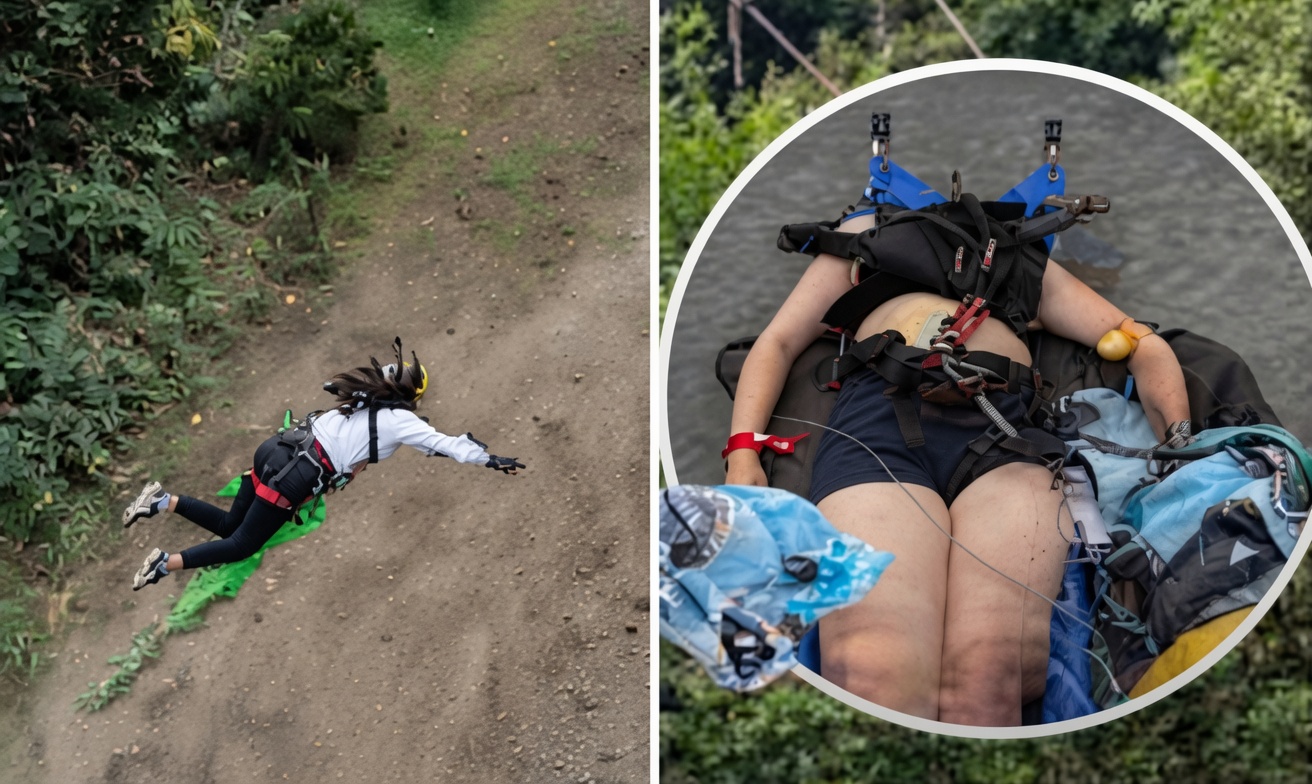
Maria Eduarda’s death has already raised concerns about safety procedures, responsibility, and whether the rope-jump operation followed proper rules. The missing camera now adds another layer to the case: what happened after the tragedy?
The public attention surrounding the case remains intense because the central question is still unanswered.
Maria trusted the people responsible for the jump. She trusted the equipment. She trusted the process.
Now, investigators are trying to determine why that trust was broken.