Doctors urged them to end the pregnancy—but Batya’s parents chose hope instead
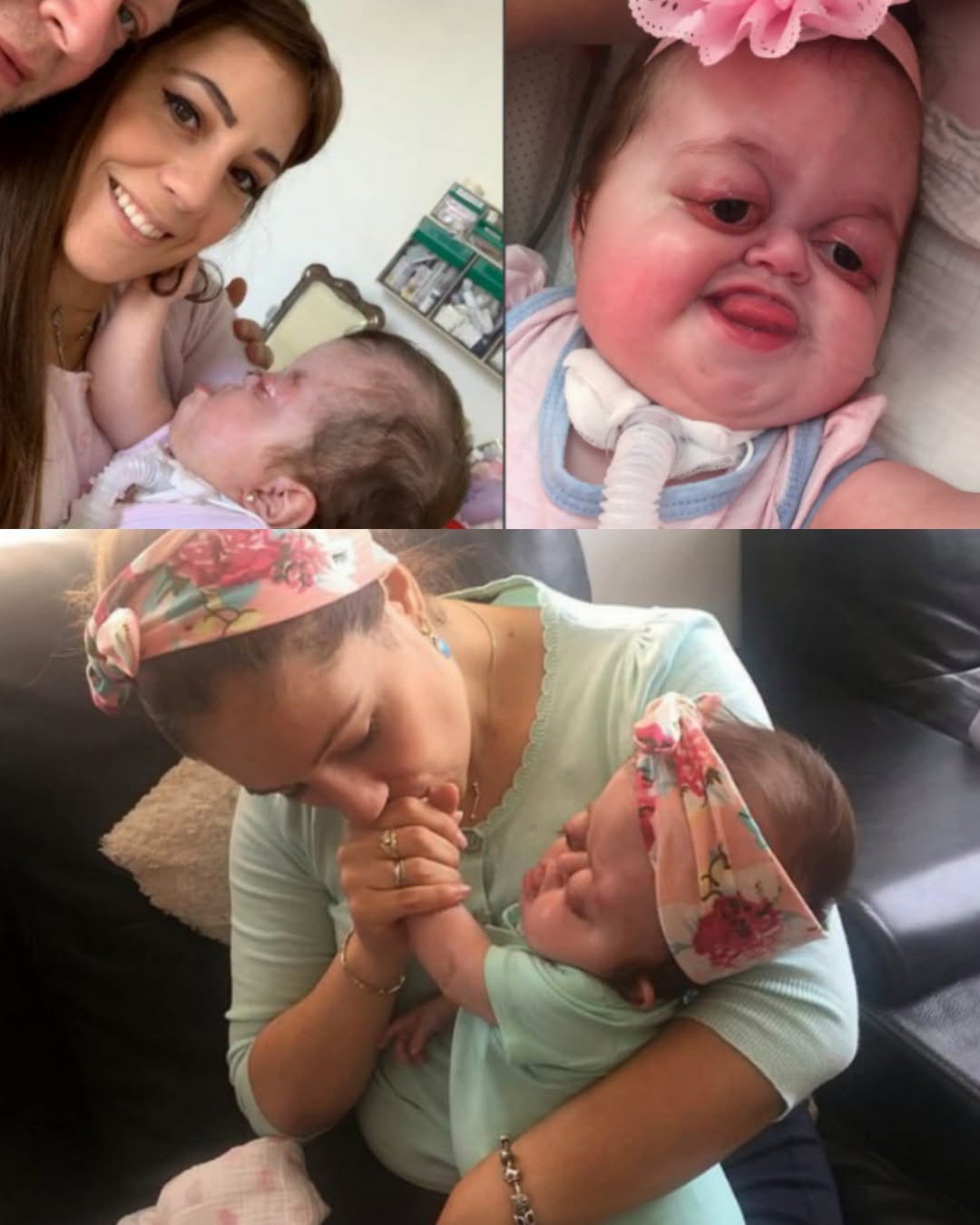
Chosen with Hope: How a Manchester Family Defied Medical Experts to Celebrate the Life of Their Unique Daughter
When a devoted couple from Manchester, England, sat down with medical professionals during what should have been a routine pregnancy scan, their world was upended by a devastating prenatal diagnosis. Doctors informed them that their unborn daughter was suffering from an exceptionally rare genetic condition that fundamentally altered the development of her skull and spine. The medical forecast was bleak, with experts warning that the structural anomalies would severely compromise the child’s vital faculties, including her vision, hearing, and capacity to breathe independently. Convinced that the infant would not survive the birthing process or would face a life of brief, unmanageable suffering, the healthcare team gently but explicitly introduced the option of terminating the pregnancy.
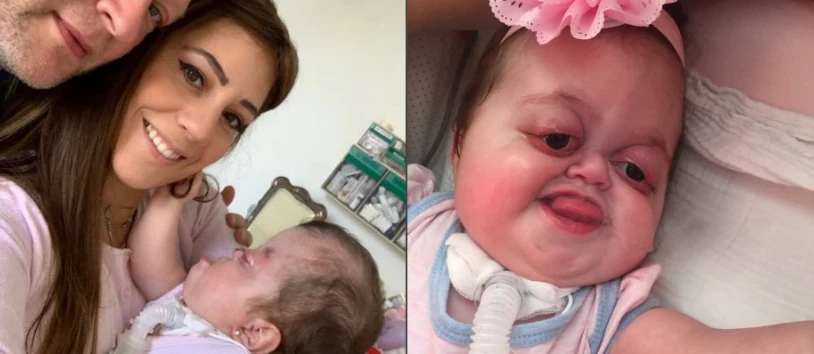
Faced with an agonizing crossroads, the parents chose to filter out the bleak clinical statistics and anchor themselves in hope. They rejected the option of termination, choosing instead to carry the pregnancy to term and give their daughter every possible chance at life. When baby Batya finally entered the world, her arrival was not just a medical milestone, but a monumental victory of parental devotion over clinical despair. From her very first breath, Batya proved that her spirit was far more resilient than the grim predictions originally suggested.
While Batya’s life has indeed been defined by complex medical challenges, specialized treatments, and constant therapeutic intervention, her journey has been equally defined by boundless joy. Rather than mourning the life they thought they would have, her mother and father have dedicated themselves to celebrating every single milestone, no matter how small it might appear to an outsider. For Batya, a deliberate glance, a responsive sound, or a comfortable night of sleep is a triumph worthy of celebration.
In an effort to find community and perhaps offer solace to other families navigating similar medical crises, the couple began documenting Batya’s journey on social media platforms. The digital landscape, however, proved to be a double-edged sword. Alongside an outpouring of global support, the family was forced to confront a darker side of human nature, receiving deeply hurtful, ableist comments from anonymous users who questioned the quality of Batya’s life or criticized her physical appearance.
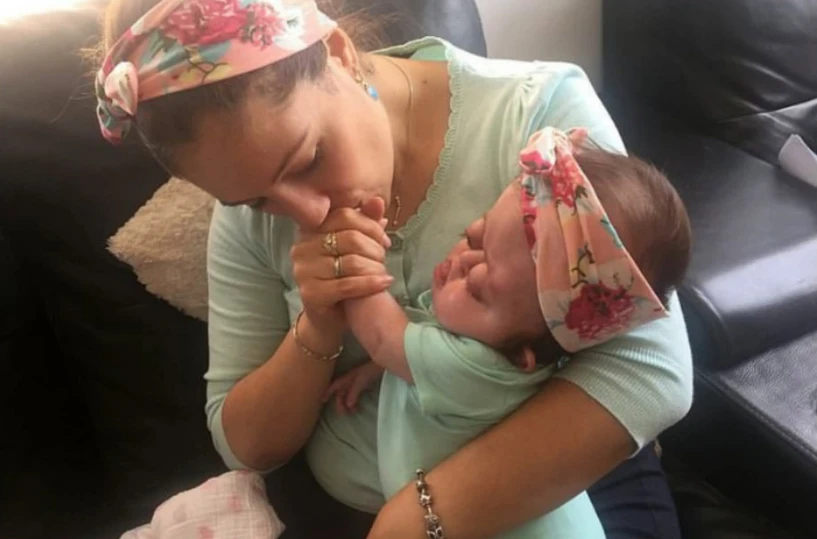
Instead of retreating into isolation, the family met this hostility with dignity, choosing to let their unwavering love speak for itself. Their refusal to succumb to cyberbullying has transformed Batya’s online presence into a powerful movement. Today, this Manchester family has inspired thousands of people worldwide, effectively shifting the narrative around rare childhood conditions. By sharing Batya’s smiles and their own unconditional devotion, they have sparked global conversations about the necessity of digital compassion, the beauty of societal acceptance, and the inherent, undeniable value of every single child.