How Forensic Science Reshaped the Preston Davey Murder Case
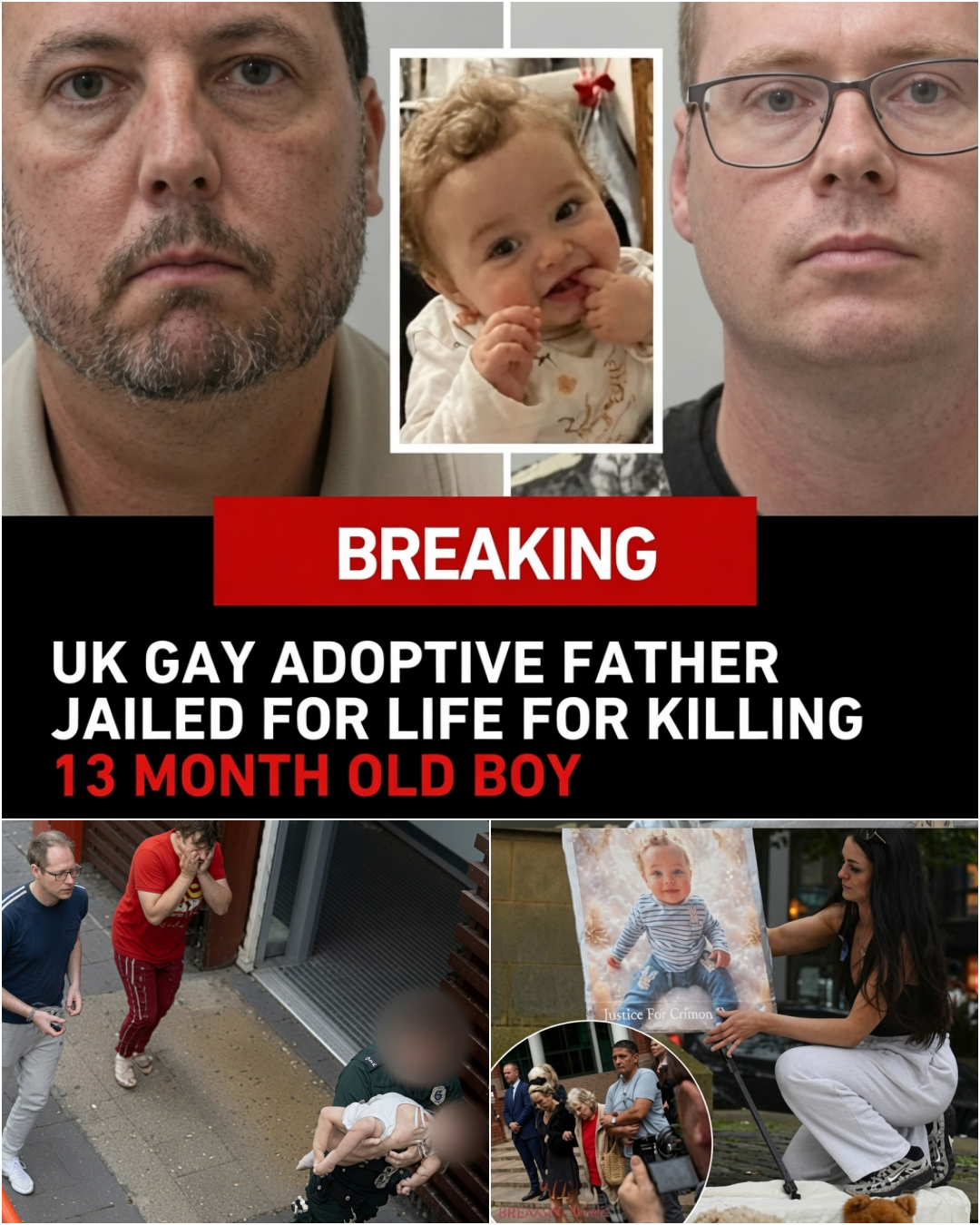
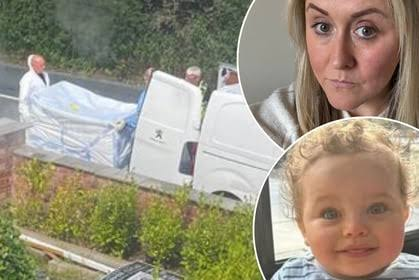
Forensic science became one of the most important elements in the Preston Davey murder case, helping to challenge the first story told about the baby’s death.
Preston was just 13 months old when he died. At first, Jamie Varley claimed the incident was connected to a bath accident. But as investigators examined the medical evidence, that explanation began to fall apart.
The court later heard that Preston’s injuries and cause of death did not support the version initially given. Instead, forensic findings helped reveal that the case involved far more serious circumstances.
This evidence became a turning point. It allowed prosecutors to argue that Preston’s death was not an accident, but the result of abuse and neglect by the people who should have protected him.
Varley was convicted of murder and sentenced to spend the rest of his life in prison. McGowan-Fazakerley also received a long prison sentence for his role in the case.
The tragedy has now placed a spotlight on the systems surrounding adoption and child protection. Authorities are facing pressure to examine what went wrong and whether opportunities to protect Preston were missed.
Forensic science did not just support the prosecution. It changed the public understanding of the case.
What began as one explanation became a much darker truth.