Ancient Byzantine City Discovered Beneath Egypt’s Desert
Ancient Byzantine-Era City Unearthed Beneath Egypt’s Desert
Egypt — July 2026
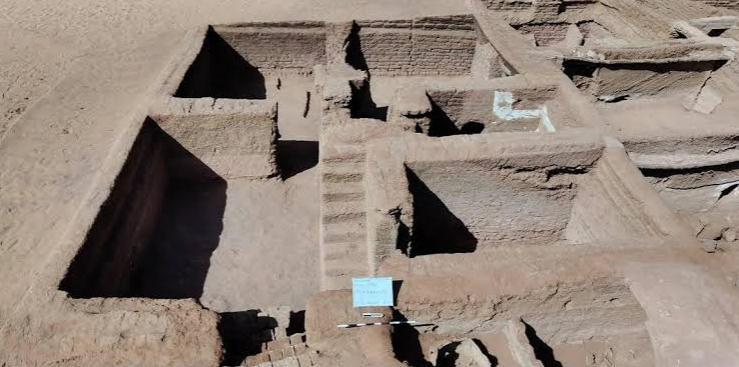
Archaeologists have uncovered the remains of an ancient Byzantine-era city beneath the Egyptian desert, revealing a remarkably well-preserved settlement that offers new insights into life in the region more than a thousand years ago.
According to the excavation team, the site contains the foundations of homes, streets, public buildings, and religious structures believed to date to the Byzantine period. Researchers also recovered pottery, coins, tools, and other everyday artifacts that are expected to help historians better understand the city’s economy, trade, and daily life.
Experts say the discovery highlights the significance of the settlement during the Byzantine era and suggests it may have served as an important regional center before eventually being abandoned. Archaeologists are continuing to study the layout of the city to determine its size, population, and historical role.
The excavation is being carried out by Egyptian archaeologists in collaboration with heritage specialists, who hope the findings will shed light on the transition between the late Roman and Byzantine periods in Egypt.
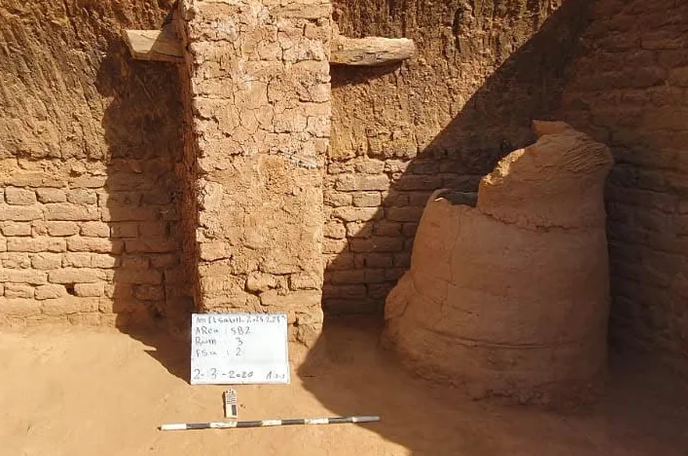
Researchers believe additional structures and artifacts remain buried beneath the surrounding desert, and further excavations are planned in the coming months. Advanced surveying techniques, including ground-penetrating technology and detailed mapping, are being used to identify other areas of archaeological interest.
Officials say the discovery adds to Egypt’s growing list of significant archaeological finds and could provide valuable information about urban development, religious life, and commerce during the Byzantine period.
The excavation and analysis are ongoing, with experts expecting future discoveries to reveal even more about the ancient city’s history and the people who once lived there.
Source: The Guardian, Arkeonews