Systemic Failures or Judicial Overreach? Five Legal Claims Poised to Reopen the Controversial Karmelo Anthony Case
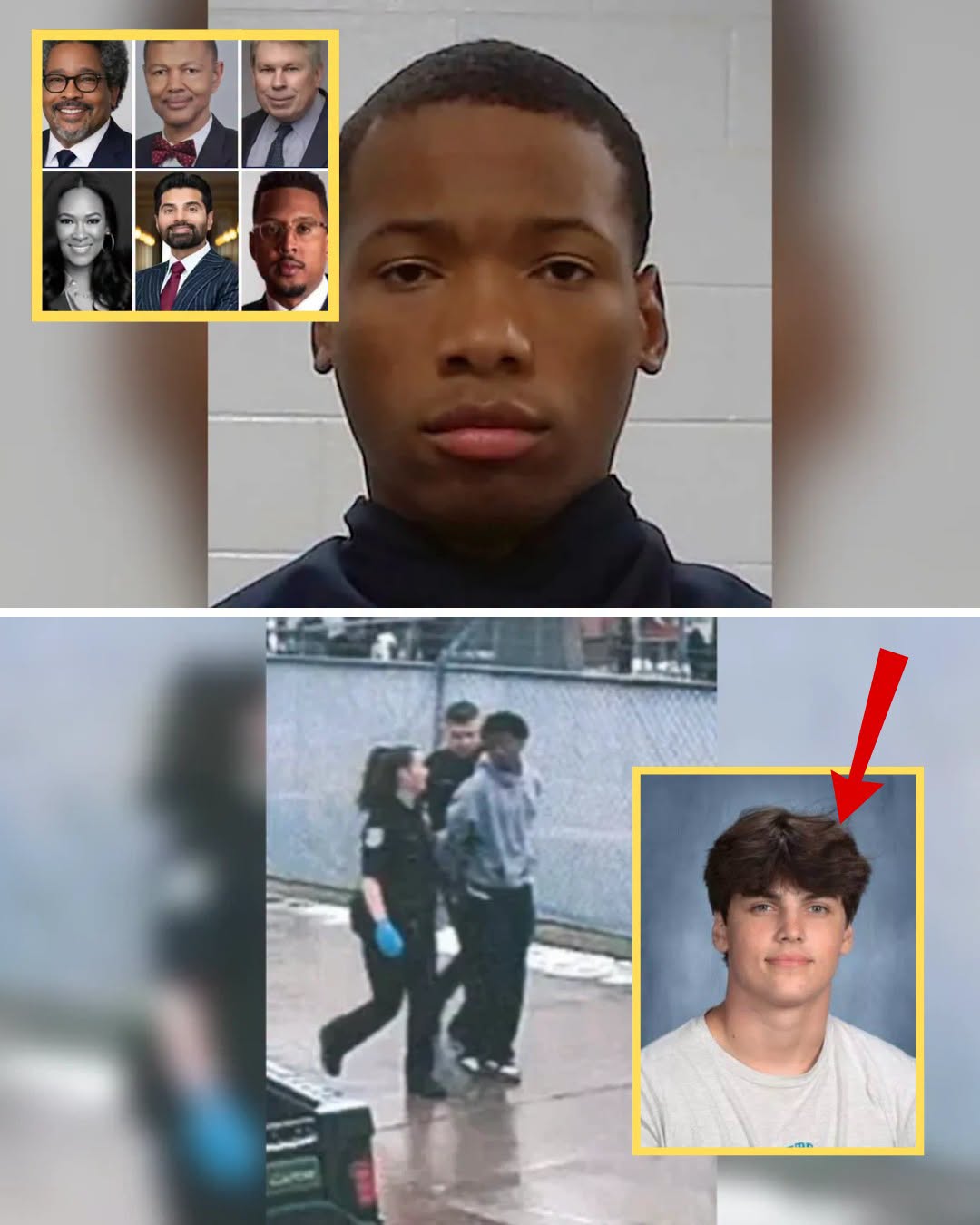
Systemic Failures or Judicial Overreach? Five Legal Claims Poised to Reopen the Controversial Karmelo Anthony Case
The legal battle surrounding the high-profile conviction of Karmelo Anthony has taken an unexpected and highly dramatic turn. Rather than attempting to directly challenge the evidence or litigate the murder conviction itself, Anthony’s newly appointed defense team has shifted their strategy to focus entirely on the integrity of the judicial process. In a series of aggressive new filings, the defense has launched a multi-front assault on how the original trial was managed, submitting two critical motions that accuse the court of five systemic failures. At the absolute center of this unfolding controversy is a demand for the immediate removal of Judge John Roach from the case, a move that signals a profound breakdown of trust in the courtroom’s neutrality.
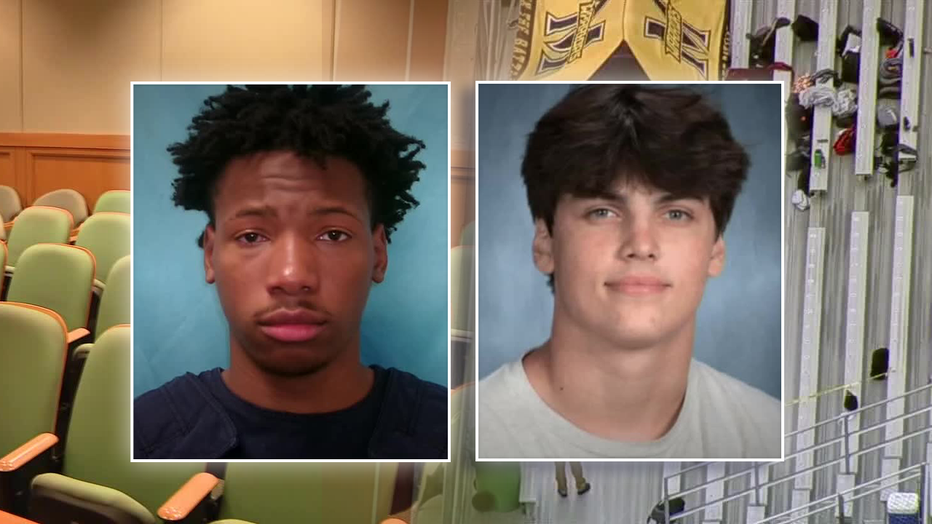
The core of the defense’s argument does not rest on the facts of what occurred on the night of the crime, but rather on what allegedly transpired behind closed doors during the trial itself. The first and perhaps most damning allegation centers on an alleged off-the-record deal that the defense claims compromised the fairness of the entire proceeding. According to the motions, this secret arrangement bypassed standard legal protocols, leaving a permanent stain on the transparency required in capital cases. This claim is paired with an equally serious accusation of direct judicial interference with Anthony’s right to testify, suggesting that the defendant was improperly restricted or pressured when attempting to present his version of events to the jury.
Beyond the issues of testimony and secret deals, the remaining claims in the motions outline a pattern of procedural failures that Anthony’s lawyers argue stripped him of his constitutional right to a fair trial. By targeting Judge John Roach directly, the defense is attempting to prove that the court’s leadership was fundamentally biased, necessitating an independent review by a different judge. If these motions find traction, they could completely invalidate the current proceedings, forcing the state to either answer for these alleged courtroom infractions or face the reality of a completely reignited legal battle. For a case that many believed was officially closed, these explosive administrative challenges prove that the final verdict on the Karmelo Anthony case may still be far out of reach.