The Twenty-Week Scan That Saved a Life: How Early Diagnosis and Expert Medical Care Rescued a Newborn from a Lethal Heart Condition
The Twenty-Week Scan That Saved a Life: How Early Diagnosis and Expert Medical Care Rescued a Newborn from a Lethal Heart Condition
A routine twenty-week prenatal scan is usually a moment of quiet anticipation for expectant parents, a milestone meant to bring joy and reassurance. However, for one family, this ordinary medical appointment completely transformed their reality when specialists discovered that their unborn son, Tommy, was suffering from transposition of the great arteries. This rare and exceptionally dangerous congenital heart defect means the two main arteries leaving the heart are reversed, altering the normal circulation of blood through the body and severely depriving it of oxygen. The initial diagnosis was absolutely terrifying, casting a long shadow of dread over the remainder of the pregnancy, but it ultimately proved to be the very thing that saved his life.
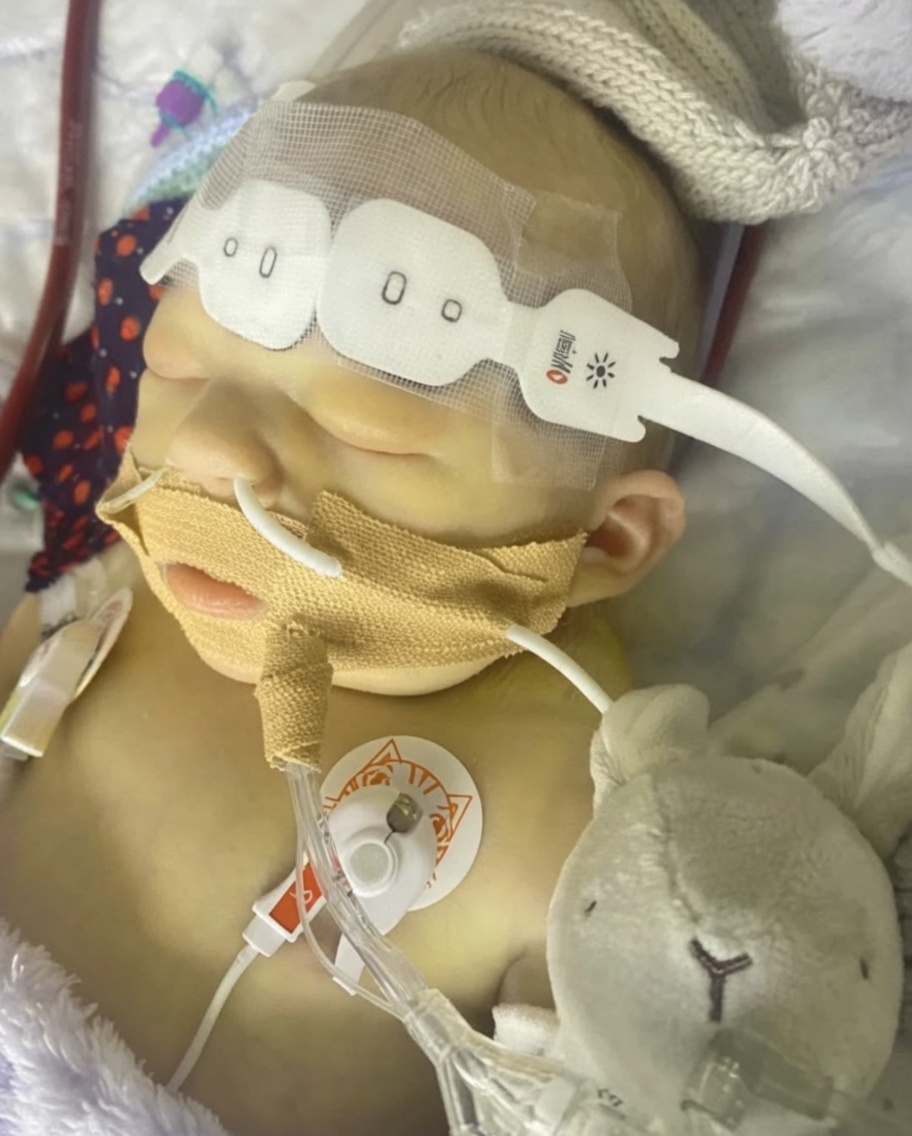
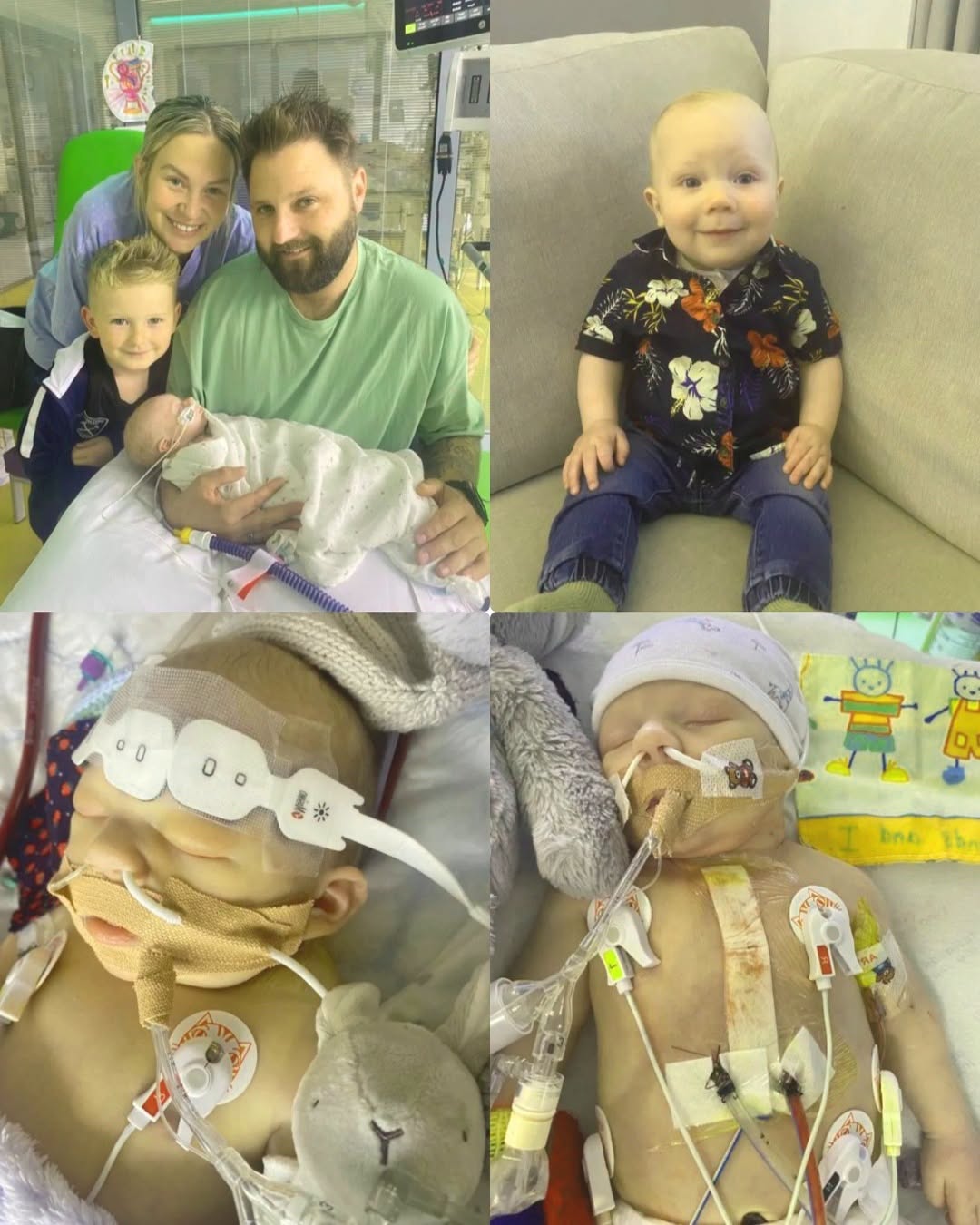
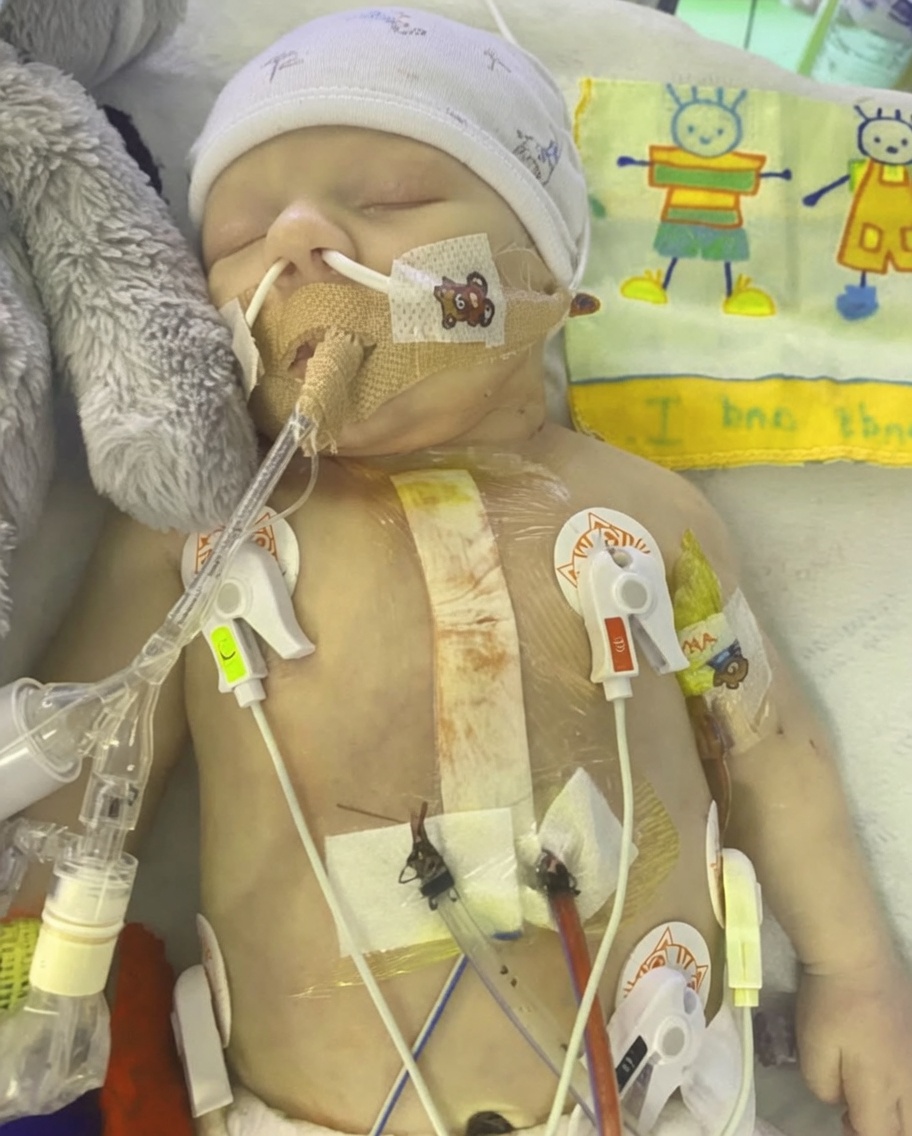
Because the medical team knew precisely what challenges awaited them at birth, they were able to orchestrate a highly coordinated, life-saving intervention the moment he entered the world. Delivered safely via an elective caesarean section, Tommy did not have the luxury of a standard newborn welcome; instead, he was immediately rushed to the neonatal intensive care unit. As his fragile body began to struggle, doctors placed him on Extra-Corporeal Membrane Oxygenation, an advanced form of temporary life support that acts as an external heart and lungs, giving his system a chance to rest. At just nine days old, when he was strong enough to endure the procedure, a team of pediatric surgeons successfully performed a complex arterial switch operation, meticulously reconstructing the major pathways of his tiny heart.
The grueling weeks that followed the major operation were an agonizing emotional rollercoaster for his parents, defined by unexpected setbacks, constant fear, and endless hours of waiting by his bedside. For a long time, the simple, tender bonding moments that most new parents take for granted—holding their baby close, feeding him without wires, and hearing him cry naturally—felt like distant dreams they might never actually experience. Slowly but surely, Tommy began to demonstrate an incredible will to live. Day by day, his vital signs stabilized, the restrictive medical tubes were carefully removed, and the overwhelming despair in the hospital room gradually gave way to a profound sense of hope.
Today, against the initial odds, Tommy is absolutely thriving with a remarkably healthy heart and a beautiful, bright future ahead of him. His extraordinary journey stands as a powerful testament to the critical importance of early prenatal screening, the brilliance of modern pediatric cardiology, and the fierce, unyielding resilience of heart families who refuse to stop fighting for their children. His story serves as an inspiration to anyone facing a daunting medical diagnosis, proving that even the most fragile beginnings can lead to a lifetime of strength, health, and happiness.